
Ventnor (Isle of Wight) — seaside town, microclimate and botanic garden
Ventnor is a Victorian-era seaside resort and civil parish on the Isle of Wight, England. Built beneath St Boniface Down, it is known for its sheltered microclimate and notable botanic garden.
Overview
Ventnor is a seaside town and civil parish on the south coast of the Isle of Wight, England. It developed in the Victorian era as a health and holiday resort and retains much of that historic character in its terraces, villas and promenade. The settlement is frequently described in two parts: Upper Ventnor, on the higher slopes, and the lower town that faces the sea. The wider area is sometimes considered to include the neighbouring coastal villages of Bonchurch and St. Lawrence.
Image gallery
10 Images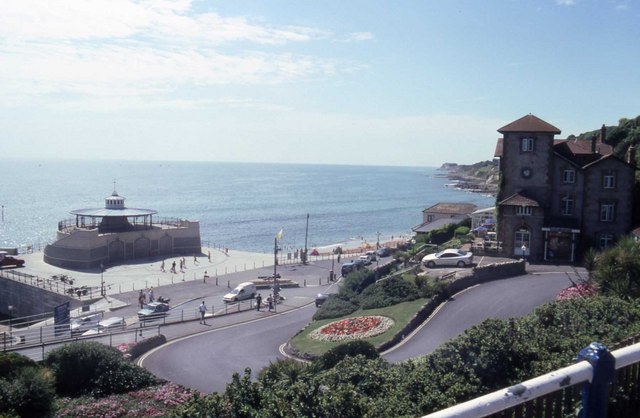




Geography and setting
The town lies beneath St Boniface Down, the highest point on the island, and is built on steep cliffs and slopes that descend to a shingle or pebble shoreline. Its south-facing position on the island creates a sheltered aspect that mitigates prevailing winds and influences local weather patterns. The town layout, roads and gardens adapt to the sloping terrain, producing distinctive streets and viewpoints that look out over the English Channel.
Climate and horticulture
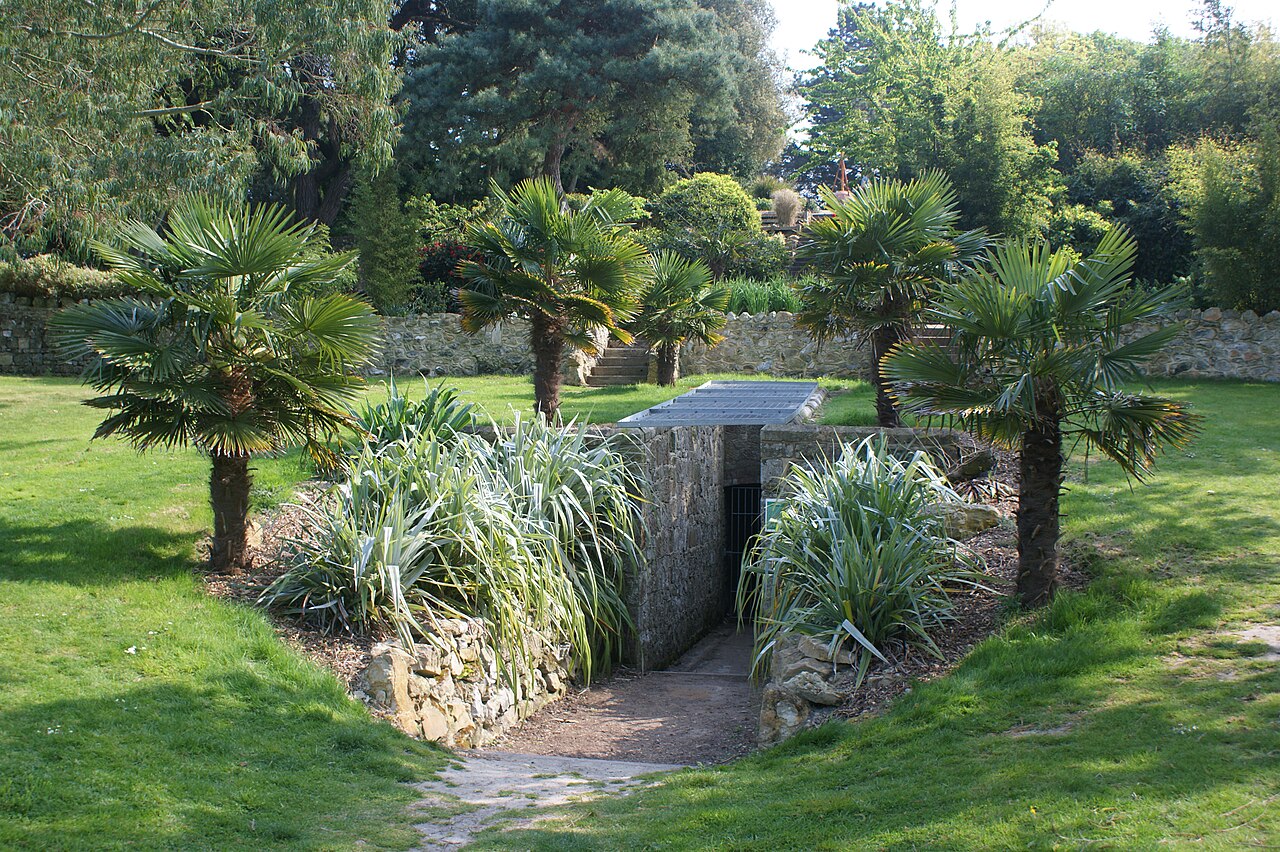
Ventnor benefits from a local microclimate: milder winters, reduced frost incidence and relatively more sunny days than many coastal locations in the British Isles. This has permitted a wider range of tender and subtropical plants to establish outdoors than would normally be possible further inland or on less sheltered coasts. The presence of unusual species in gardens and public plantings is a notable feature of the town.
Ventnor Botanic Garden is the most prominent expression of this horticultural interest. It displays collections of plants from warm-temperate and subtropical regions and serves both as a public attraction and as a centre for plant conservation, education and local tourism.
History and development
The town expanded during the 19th century when sea-bathing, climate therapy and coastal holidays became fashionable. Victorian and Edwardian architecture survive in many of the town’s streets, reflecting the period of growth. Transport connections established in that era improved access for visitors; some of the original rail or tram links were later discontinued as travel patterns changed in the 20th century.
Economy and community life
Ventnor’s economy combines tourism, hospitality, small businesses and a residential population that includes retirees and year-round households. Local shops, cafes, galleries and community organisations contribute to cultural life. The coastal footpaths and island walking routes attract visitors interested in scenery, birdwatching and outdoor recreation.
Conservation and coastal challenges
The steep coastal geology that gives Ventnor its character also brings risks: coastal erosion, landslips and drainage problems have required ongoing monitoring and engineering responses. Conservation policies aim to protect seaward habitats, the unique plant collections, and the architectural heritage while balancing the needs of residents and visitors. Local groups, landowners and public authorities work together on shoreline management and habitat restoration.
Attractions and walking
- Ventnor Botanic Garden and associated plant collections that benefit from the mild microclimate.
- Cliff-top walks, promenades and links to island paths that offer coastal views and access to nearby villages.
- Historic streets and community events that reflect the town’s Victorian origins and contemporary civic life.
Practical information and resources
Visitors typically reach Ventnor by road and public transport from elsewhere on the Isle of Wight; walking routes around the town form part of longer island trails. Local accommodation ranges from small guesthouses to holiday lets, and amenities support both short visits and longer stays. Conservation-minded tourism is encouraged to protect the town’s natural and built features for future generations.
Further information and resources: seaside resort information, parish details, southern coastline, Isle of Wight overview, England context, Victorian era background, cliffs and geology, coastal environment, sheltered sites, sunny climate notes, British Isles climate, frost information, plant collections and botanic garden.
Related articles
Author
AlegsaOnline.com Ventnor (Isle of Wight) — seaside town, microclimate and botanic garden Leandro Alegsa
URL: https://en.alegsaonline.com/art/104586
Sources
- commons.wikimedia.org : Ventnor