
Vasoactive intestinal peptide (VIP): structure, roles, and clinical significance
Vasoactive intestinal peptide (VIP) is a 28‑amino‑acid neuropeptide and hormone involved in vasodilation, intestinal secretion, smooth muscle relaxation and circadian signalling; it acts via VPAC receptors.
Vasoactive intestinal peptide (VIP) is a short neuropeptide that functions both as a local neurotransmitter and as a circulating hormone. It acts as a hormone in several tissues and contains 28 amino acids in its mature form. In humans the peptide is produced from the product of the VIP gene and is rapidly cleared from the circulation, reflecting its role as a fast-acting signalling molecule.
Image gallery
3 Images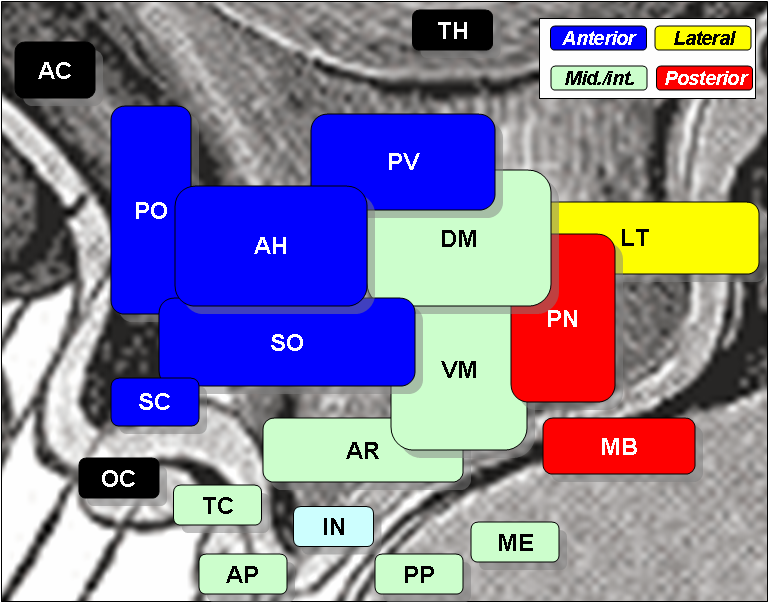

Structure and receptors
VIP is a linear polypeptide with a conserved sequence across vertebrates. Its effects are mediated by G protein–coupled receptors, primarily VPAC1 and VPAC2, which stimulate adenylate cyclase and increase intracellular cyclic AMP. VIP shares structural and functional similarity with related peptides such as pituitary adenylate cyclase-activating polypeptide (PACAP), but the peptides differ in receptor selectivity and physiological roles.
Distribution and principal actions
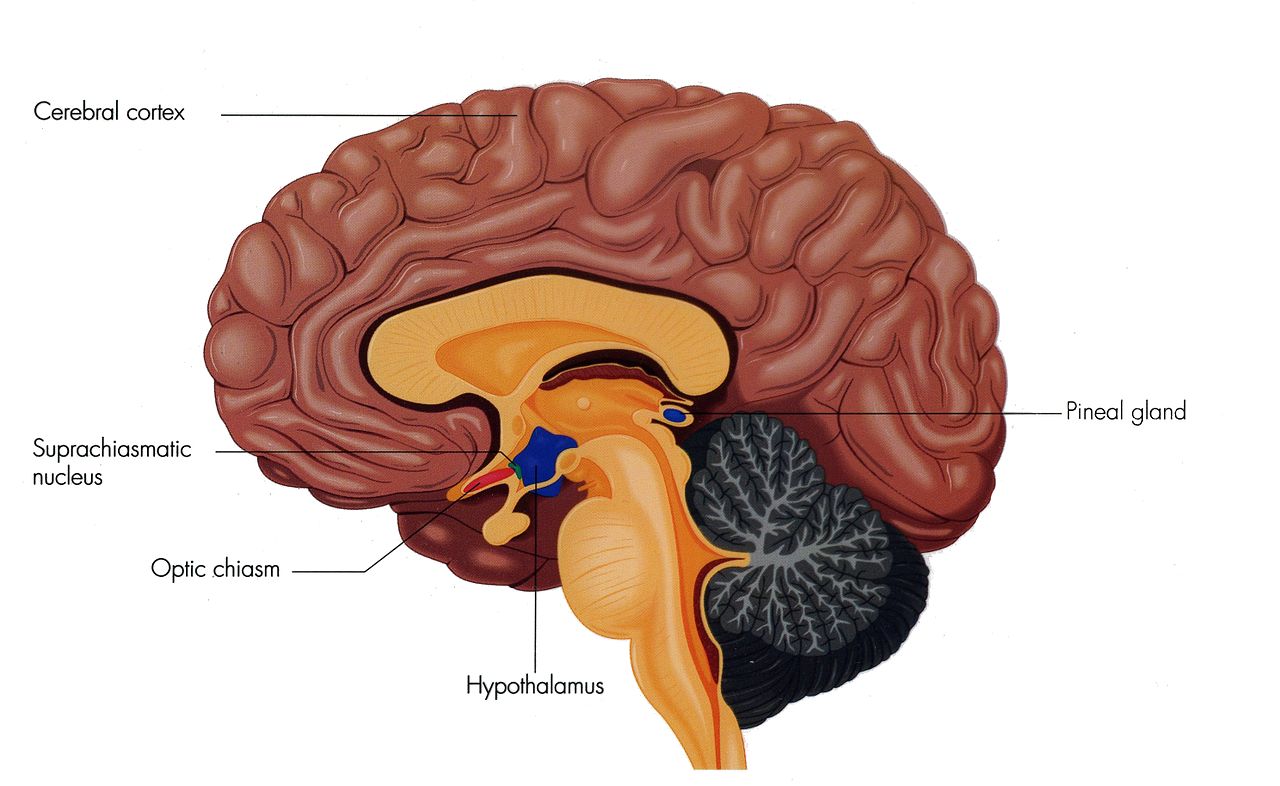
VIP is synthesized by neurons and some endocrine cells in many sites. It is abundant in the gastrointestinal tract, where it promotes intestinal secretion and relaxes smooth muscle, and is produced in the pancreas and in parts of the brain involved in rhythm generation such as the suprachiasmatic nuclei. It is also found more widely in the central nervous system and peripheral autonomic neurons (brain, hypothalamus). Typical physiological actions include:
- Vasodilation and increased blood flow to target tissues.
- Stimulation of intestinal water and electrolyte secretion, contributing to digestion and motility control.
- Relaxation of sphincters and smooth muscle in the gut and airways (bronchodilation).
- Modulation of circadian rhythms and neuroendocrine signalling in the suprachiasmatic nucleus.
- Immunomodulatory effects; VIP can influence cytokine production and inflammatory responses.
Clinical relevance
Because VIP has potent secretory and smooth-muscle–relaxing properties, dysregulation produces distinct clinical syndromes. A rare neuroendocrine tumour known as a VIPoma secretes excessive VIP and causes watery diarrhea, hypokalemia and achlorhydria (the WDHA or Verner–Morrison syndrome). In the bloodstream VIP is short-lived: its plasma half-life is on the order of minutes, which limits its usefulness as an unmodified therapeutic agent and requires stabilization strategies for clinical use.
In medicine and research, VIP and related analogues are studied for potential applications in inflammatory disease, pulmonary disorders (as a bronchodilator), gastrointestinal motility problems, and disorders of circadian regulation. Because native VIP is rapidly degraded by peptidases, synthetic analogues and receptor-selective ligands have been developed for experimental and therapeutic exploration.
History and notable distinctions
VIP was identified in the latter half of the 20th century as a distinct vasoactive peptide from intestinal extracts and has since been characterized molecularly and pharmacologically. Notable distinctions include its dual role as a neurotransmitter and hormone, its short plasma lifetime, and its close relationship to PACAP with which it shares receptors and some functions but also displays unique receptor preferences and biological effects. Understanding VIP continues to inform research into neurogastroenterology, chronobiology and immunomodulation.
For further technical summaries and experimental details see sources indexed here: overview, sequence details, pancreatic roles, SCN signalling, CNS distribution, hypothalamic functions, metabolic clearance, clinical VIPoma information.
Related articles
Author
AlegsaOnline.com Vasoactive intestinal peptide (VIP): structure, roles, and clinical significance Leandro Alegsa
URL: https://en.alegsaonline.com/art/104325