
Vasco da Gama: navigator who opened the sea route from Europe to India
Portuguese explorer Vasco da Gama (c.1460s–1524) led the first successful European sea voyage from Europe to India around Africa, initiating direct maritime trade and the Portuguese presence in the Indian Ocean.
Overview
Vasco da Gama was a Portuguese sailor and navigator whose expeditions at the turn of the 16th century established the first direct maritime link between Europe and India by rounding the Cape of Good Hope. Sailing along the southern fringe of Africa, his voyages changed the geography of trade by creating a sea route that bypassed overland routes controlled by Middle Eastern intermediaries. He undertook three major voyages to the Indian Ocean region and later served briefly as a royal official there.
Image gallery
10 Images





Early life and commissioning
Born in the coastal town of Sines in southern Portugal sometime in the mid-15th century, da Gama came from a family with ties to local nobility and maritime service. Precise dates for his birth are uncertain, but he was active in seafaring and local affairs before being selected by the Portuguese crown to command an embassy and trading expedition to Asia. In July 1497 his squadron left Lisbon under royal orders to seek a sea route to the spice markets of Asia, reflecting Portugal's strategic goal of finding direct access to pepper, cinnamon and other valuable commodities.
First voyage (1497–1499)
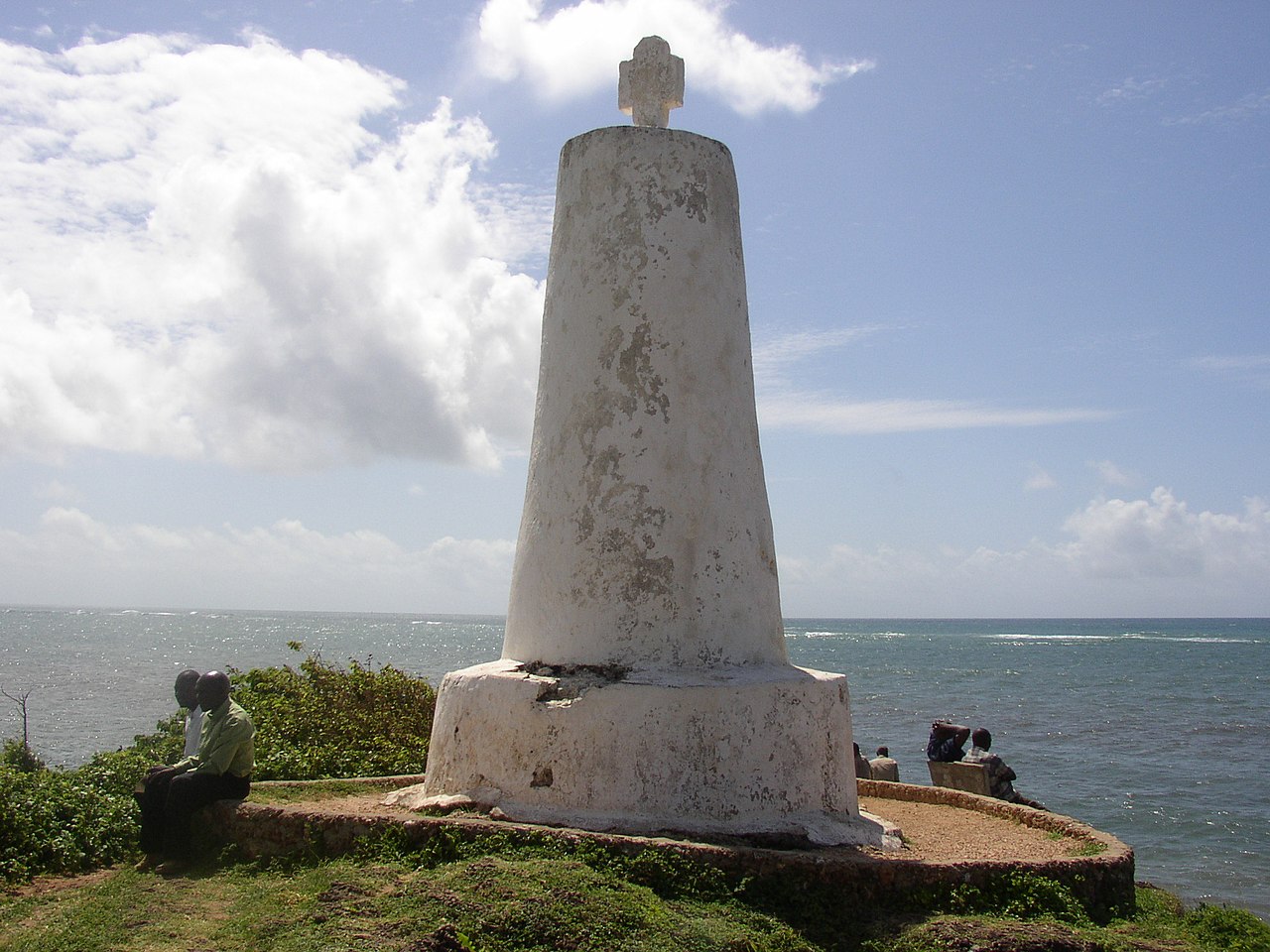
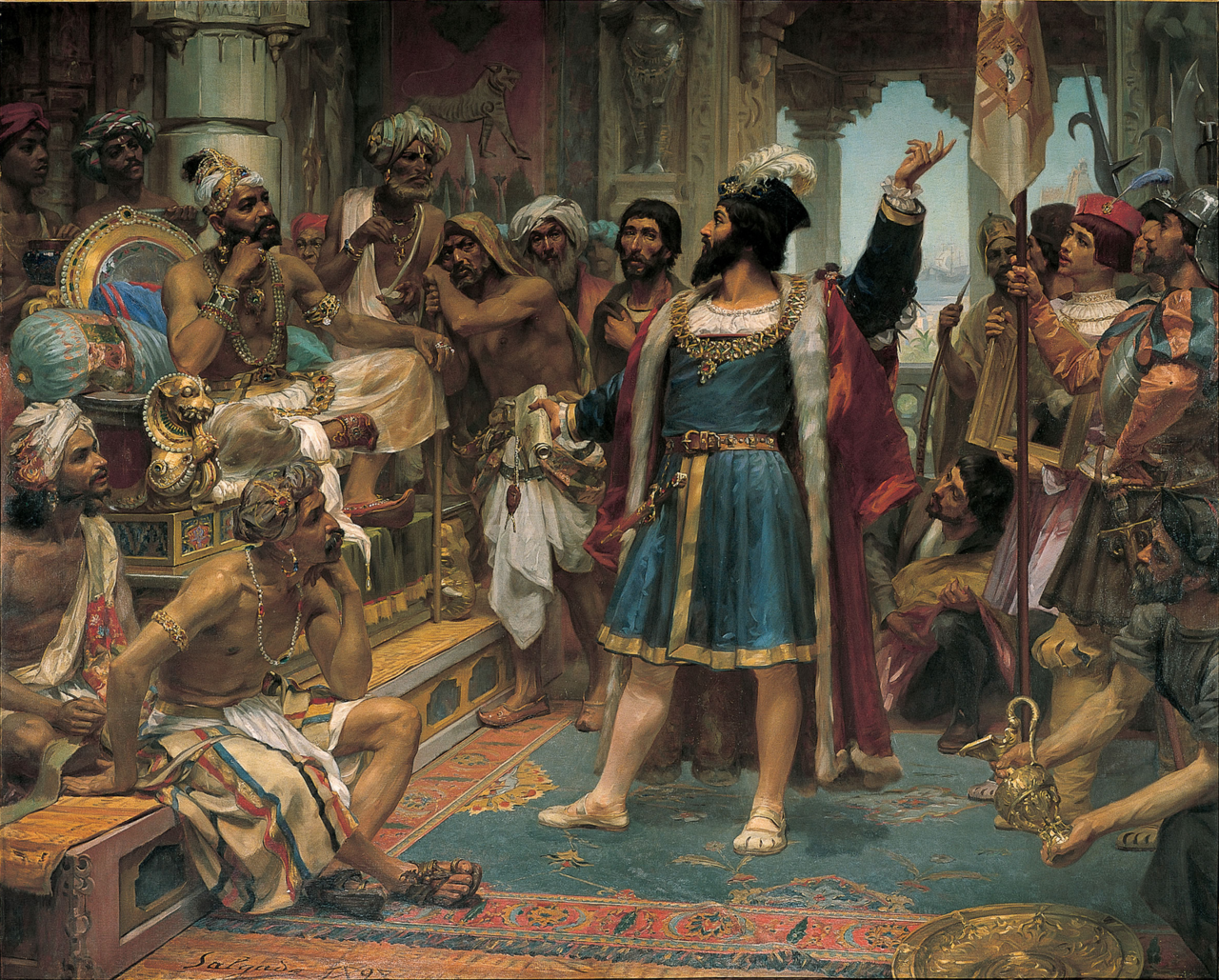
The fleet sailed south along the Atlantic coast and gave European mariners their first sustained experience of the southern Atlantic winds and currents. As they passed the eastern coast they named a stretch of shoreline Natal, a Portuguese word that commemorated the season of passage and which translates to Christmas in the crew's mother tongue, Portuguese. After stopping at trading towns such as Mozambique, which lay within the established network of the wider Indian Ocean trade, the expedition changed course northward. In East Africa, at Malindi, da Gama secured the services of an experienced pilot from the Indian Ocean world who guided the squadron across to the Malabar Coast of India. They reached Calicut in May 1498, where initial attempts at diplomacy and commerce revealed cultural and commercial friction with local authorities.
Second voyage and armed enforcement
After returning to Portugal and receiving honors, da Gama led a second, more heavily armed expedition in 1502. This voyage reflected a shift from mere exploration to the assertion of maritime dominance: Portuguese forces attacked and boarded ships, established blockades, and used force to secure trading privileges and disrupt competitors. These tactics were part of a broader Portuguese policy to control spice traffic and to establish fortified trading points. The use of naval power deepened Portugal's presence across the Indian Ocean basins and intensified conflict with coastal polities and Muslim merchant networks.
- Typical fleet composition: lightly armed carracks and caravels with a supply vessel.
- Important stops on the route: Lisbon, Natal coast, Mozambique, Malindi, and Calicut.
- Consequences: opened a sea corridor for European-Asian trade and introduced sustained European naval presence in the region.
Final voyage, administration and death
In 1524 the crown appointed da Gama to a senior administrative post to try to restore order and protect Portuguese commercial interests in India. He returned to the subcontinent as an emissary and administrator tasked with strengthening the Portuguese colonial presence and reorganizing local governance. He fell ill and died later that year on December 24. His body was later repatriated to Portugal. His last years reflect the transition from individual exploration to formal colonial administration.
Legacy and historical perspective
Vasco da Gama's voyages are widely regarded as a turning point in global history: they opened a practical sea route that reshaped trade, enabled the rise of European maritime empires, and linked Atlantic Europe directly with Asian markets. At the same time, his expeditions inaugurated a period of violent competition and disruption in the Indian Ocean, and his methods—combining diplomacy with naval coercion—have been the subject of ongoing historical debate. Monuments, place names and naval traditions commemorate his achievements, while modern scholarship places those achievements in the broader context of early modern global exchange and imperial expansion.
For further readings and primary sources, consult contemporary maritime records and modern histories that analyze both the navigational accomplishments and the political consequences of the Portuguese maritime expansion.
Related articles
Author
AlegsaOnline.com Vasco da Gama: navigator who opened the sea route from Europe to India Leandro Alegsa
URL: https://en.alegsaonline.com/art/104298