
Vasil Levski: Bulgarian revolutionary leader and national hero
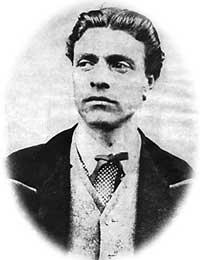
Vasil Levski (Vasil Ivanov Kuncev, 1837–1873) was a Bulgarian revolutionary who organized a nationwide internal network for liberation from Ottoman rule and is remembered as the 'Apostle of Freedom'.
Overview
Vasil Levski was a central figure in the Bulgarian struggle against Ottoman rule during the 19th century. Born Vasil Ivanov Kuncev in Karlovo in 1837, he became widely known by his nickname "Levski," a name derived from the Bulgarian word for lion that signified courage and determination. Levski promoted a strategy of organizing an internal revolutionary network that could coordinate an uprising across Bulgarian-populated territories.
Image gallery
10 Images




Early life and background
Levski was raised in a small artisan family and received education that combined religious and secular subjects. He worked for a time as a teacher and, like several contemporary revolutionaries, spent periods in monastic life and in other parts of the Ottoman Balkans. These experiences shaped his political outlook and helped him develop contacts that later proved important for building an underground movement.
Revolutionary activity and methods
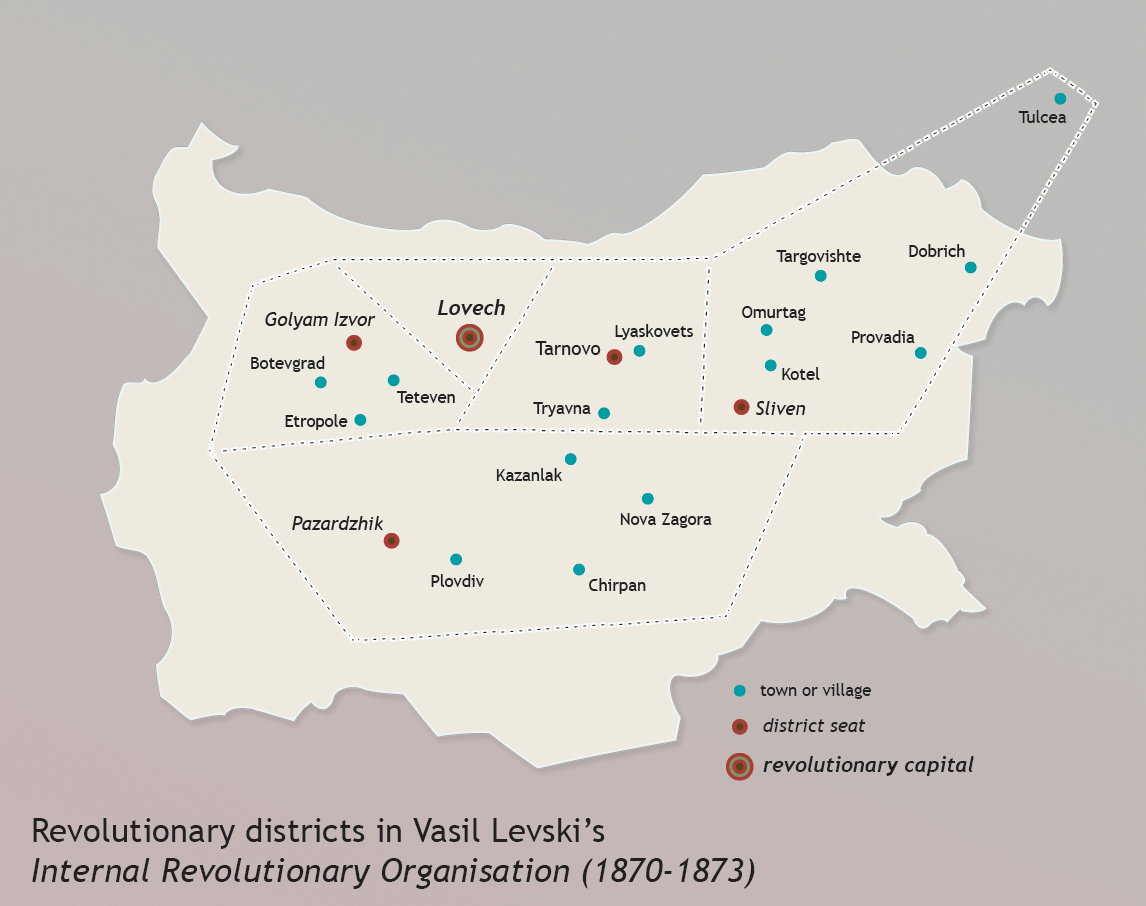
Rejecting purely external exile politics, Levski focused on creating an internal structure of local committees to prepare the population for coordinated action. He traveled extensively to recruit members, set up cells, and promulgate rules for secrecy, discipline, and local initiative. His approach emphasized local leadership, wide popular participation, and careful organization rather than reliance on a single leader or foreign intervention.
- Internal Committees: secret local groups intended to organize and supply an uprising.
- Network Principles: limited knowledge between cells, clear chains of responsibility, and local autonomy.
- Political Vision: Levski spoke of a free, democratic Bulgaria with equality before the law for all religious and ethnic groups.
Capture, trial and death
Levski's activity made him a target of Ottoman authorities. He was arrested, subjected to a trial, and executed in 1873. His death occurred before the large-scale uprisings that followed, but his organizational work and ideas significantly influenced later events that led to Bulgarian liberation. His conduct during detention and at the trial contributed to his image as a martyr for the national cause.
Legacy and remembrance
Vasil Levski is commemorated across Bulgaria and abroad as a symbol of sacrifice and civic principles. Monuments, museums, and streets bear his name; an entire town and several institutions are named for him. He is often called the "Apostle of Freedom" in Bulgarian public memory. For further general background and primary sources, see basic biography, historical overview and curated collections at relevant archives. Additional commemorative materials and critical studies can be found via educational resources and museum holdings.
Levski's significance goes beyond military planning: his insistence on law, local organization, and inclusive civic principles remain central to how modern Bulgaria interprets the 19th-century national movement.
Related articles
Author
AlegsaOnline.com Vasil Levski: Bulgarian revolutionary leader and national hero Leandro Alegsa
URL: https://en.alegsaonline.com/art/104309