
Vasiľ Biľak: Slovak communist leader and 1968 hardliner
Slovak-born communist politician (1917–2014). A long-serving KSČ functionary, Biľak was a leading conservative voice during the Prague Spring and remained a controversial figure after 1989.
Overview
Vasiľ Biľak (11 August 1917 – 6 February 2014) was a Slovak politician who rose to prominence in Czechoslovakia's Communist establishment. Born in a Rusyn family in the village of Krajná Bystrá, he began his working life as a tailor and later became a full-time party official. Over several decades Biľak built a reputation as one of the most consistently pro-Soviet and conservative members of the Czechoslovak leadership.
Image gallery
1 Image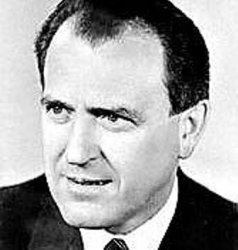
Early life and background
Biľak was born in what was then Austria-Hungary and later became part of Czechoslovakia. His Rusyn family and modest upbringing shaped his early career; after training and working as a tailor he entered political life and joined the communist movement. He held posts in the Slovak branch of the party and was steadily promoted into central organs of the Communist Party of Czechoslovakia (ÚV KSS / KSČ).
Political career and positions
From the 1950s onward Biľak occupied a string of influential roles. He served on the Central Committee of the Communist Party of Slovakia and later as a secretary of the KSČ Central Committee, a position that gave him significant influence over party policy and international relations. He was also a long-serving member of the national legislature, taking part in parliamentary work through the 1960s, 1970s and 1980s.
- Local origins: born in Krajná Bystrá, moved into party work
- Party offices: member of the Slovak Central Committee and later secretary of the KSČ Central Committee
- Legislative role: deputy in the National Assembly and the Federal Assembly
Role in 1968 and reputation
Biľak is most widely remembered for his stance during the Prague Spring of 1968, a period of political liberalization in Czechoslovakia. He was part of the conservative faction that opposed reform and was associated with efforts to secure Soviet support to halt liberalizing changes. Historians and commentators commonly identify him as one of the hardline officials who supported intervention by Warsaw Pact forces; for many in Czechoslovakia and abroad this association became the defining and most controversial aspect of his career. The episode deeply affected his public image and remains central to assessments of his legacy.
Later life, controversies and legal issues
After 1968 Biľak continued to exercise influence within the party until the late 1980s, when the Velvet Revolution swept away communist rule. In the post-1989 period he lost his official positions and became the subject of criticism, protests and legal complaints from those who accused him of betraying Czechoslovak sovereignty. Attempts to prosecute leading figures for their roles in 1968 met legal, evidentiary and sometimes health-related obstacles, and Biľak was never convicted in a final judgment for treason. His situation illustrates the complex legal and moral questions that emerged in the post-communist transition.
Legacy and death
Biľak remained a polarizing figure until his death in Bratislava at the age of 96. Supporters viewed him as a loyal party official who believed he was defending socialist order and stability; critics saw him as emblematic of a repressive system and of collaboration with foreign military intervention. Biľak's life and career are frequently cited in broader discussions of Czechoslovakia's 20th-century history, the limits of political reform under a Soviet-dominated order, and the dilemmas of transitional justice after 1989. For further context see references to Slovak and Czechoslovak party structures and contemporary accounts in archived sources: Krajná Bystrá and origins, professional background, early party career, foreign policy influence, Bratislava and Slovakia.
Biľak's biography offers a window onto the dynamics of communist-era politics in Central Europe: how ideology, nationality, and international pressures interacted inside one of the Eastern Bloc's ruling parties, and how individuals who once exercised power were later judged by changing public standards.
Related articles
Author
AlegsaOnline.com Vasiľ Biľak: Slovak communist leader and 1968 hardliner Leandro Alegsa
URL: https://en.alegsaonline.com/art/104307
Sources
- ceskenoviny.cz : "Former Czechoslovak conservative communist leader Bilak dies"