
Vasco Núñez de Balboa: Spanish explorer who first saw the Pacific from the New World
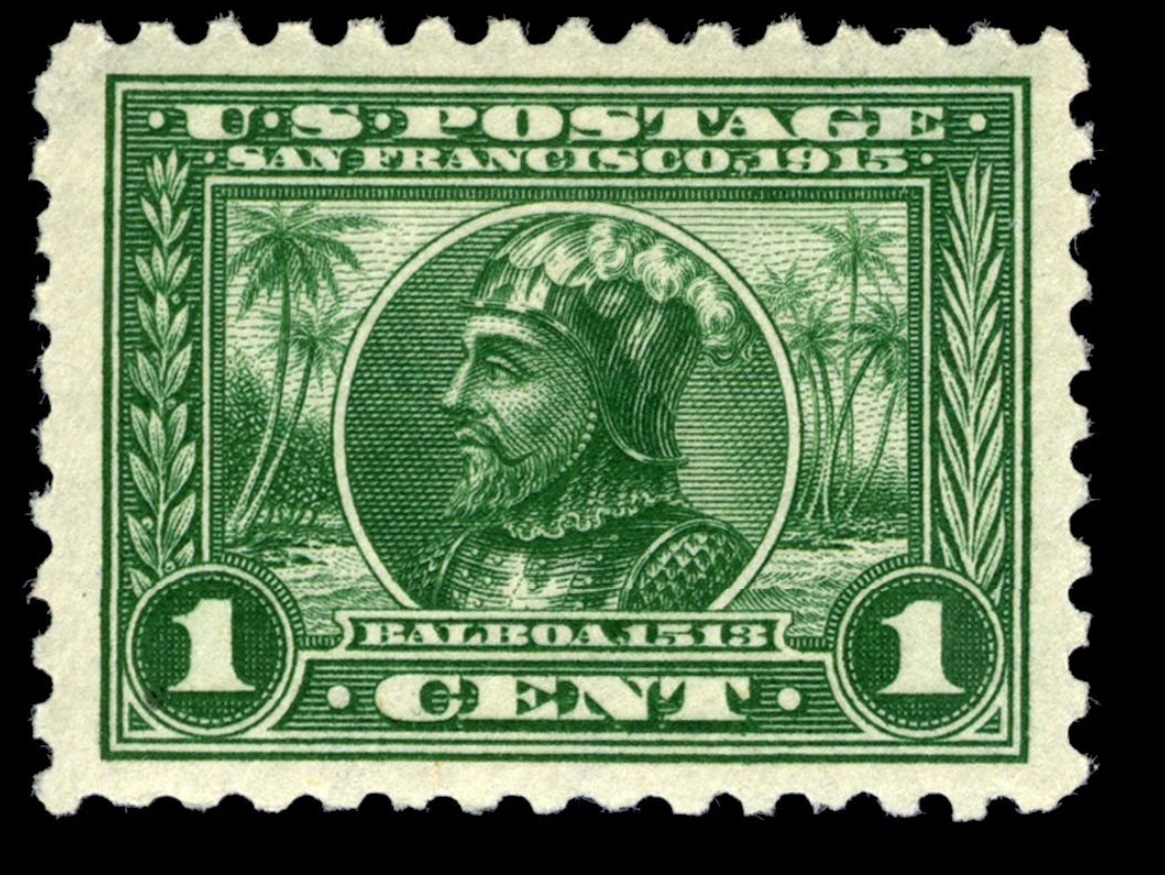
Vasco Núñez de Balboa (c.1475–1519) was a Spanish explorer and colonial leader who crossed the Isthmus of Panama in 1513 and became the first European from the Atlantic colonies to sight and claim the Pacific Ocean.
Overview
Vasco Núñez de Balboa was a Spanish explorer and conquistador active in the early 16th century. Operating from a settlement on the Caribbean coast of what is now Panama, he led an overland expedition in 1513 that reached the shores of the Pacific Ocean. Contemporary accounts and later histories credit him as the first European from the Atlantic colonies to see and formally claim that ocean for the Spanish crown, an event that shifted Spanish strategic and commercial interests toward the Pacific.
Image gallery
10 Images


Origins and colonial role
Details of Balboa's early life in Spain are sparse; like many at the time he sailed west seeking opportunity. He became a leading figure among settlers in the gulf of Darién, helping to found and consolidate the first enduring Spanish foothold on the mainland. Colonists there elected him mayor and he later exercised powers equivalent to an acting governor. Under his direction the colony conducted reconnaissance, trade and military expeditions into nearby indigenous territories.
The 1513 crossing and sighting of the sea
In 1513 Balboa organised an expedition composed of Spaniards and indigenous allies motivated by reports of distant riches and the search for gold. Travelling across difficult jungle and mountain terrain, his party descended to a bay that opened on a vast western sea. He named that body of water the "South Sea" and claimed it and its coasts for Spain. The sighting demonstrated the existence of a great ocean west of the Americas and encouraged subsequent Spanish navigation and conquest along the Pacific littoral.
Relations with indigenous peoples
Balboa's activities illustrate the complex and often violent interactions between Europeans and American indigenous societies. He formed alliances with some native groups, used local guides and recruited auxiliaries, but his expeditions also involved coercion, punitive raids and the imposition of colonial authority. Those dynamics were typical of early mainland colonisation and shaped the political geography Balboa helped create.
Political rivalry, trial and execution
The arrival of the royal appointee Pedro Arias Dávila (commonly called Pedrarias) produced sharp rivalry. Although Balboa initially cooperated with Pedrarias, tensions over authority and reputation increased. In 1519, on returning to Darién after an expedition, Balboa was arrested, subjected to an official trial and executed on charges that included alleged treason. Historians view his downfall as a product of colonial politics, conflicting commissions and personal enmities rather than a simple legal matter.
Legacy and historical significance
Balboa's crossing of the isthmus and his claim of the Pacific had lasting consequences: they confirmed that the American landmass linked two oceans and they opened the way for Spanish exploration down the western coasts of the continent. Later expeditions and conquests that moved along the Pacific shore drew on the geographical and political precedent his voyage established. His life and death have been interpreted variously over time—as the adventurous discovery narrative of the age of exploration, and as an episode revealing the internecine conflicts of colonial administration.
Key facts
- Born c.1475 in Spain; died 1519 following a colonial trial and execution.
- Founded and governed an early mainland colony at Darién in present-day Panama.
- Led a 1513 overland expedition and was the first European from the Atlantic settlements to sight and claim the Pacific Ocean for Spain.
- His career ended after conflict with the royal governor; his arrest and formal trial resulted in execution on charges including treason.
For further context on Balboa's voyages, colonial administration and the wider Age of Discovery, consult standard historical surveys and primary translations. Several online and print resources provide accessible introductions and more detailed archival material for readers interested in exploration history and early Spanish America. See also material about early Spanish settlements and subsequent Pacific expeditions linked from authoritative collections or educational sites.
Questions and answers
Q: Who was Vasco Núñez de Balboa?
A: Vasco Núñez de Balboa was a Spanish explorer and conquistador.
Q: What was Vasco Núñez de Balboa known for?
A: Vasco Núñez de Balboa was known for being the first European to see the Pacific Ocean and for claiming the ocean and all of its shores for Spain.
Q: Where did Vasco Núñez de Balboa establish a settlement?
A: Vasco Núñez de Balboa established a settlement at Darién, which is now in Panama.
Q: What position did Vasco Núñez de Balboa hold in the settlement at Darién?
A: Vasco Núñez de Balboa was elected mayor, then governor of the settlement at Darién.
Q: Why was Vasco Núñez de Balboa placed on trial and executed?
A: Vasco Núñez de Balboa was placed on trial and executed for treason on orders from Spain after he was investigated by the new governor, Pedro Arias Dávila.
Q: Who replaced Vasco Núñez de Balboa as governor of the settlement at Darién?
A: Pedro Arias Dávila replaced Vasco Núñez de Balboa as governor of the settlement at Darién.
Q: What was Vasco Núñez de Balboa doing when he claimed the Pacific Ocean for Spain?
A: Vasco Núñez de Balboa was searching for gold when he claimed the Pacific Ocean and all of its shores for Spain.
Related articles
Author
AlegsaOnline.com Vasco Núñez de Balboa: Spanish explorer who first saw the Pacific from the New World Leandro Alegsa
URL: https://en.alegsaonline.com/art/104299
Sources
- biography.com : "Vasco Núñez de Balboa Biography"
- history.com : "Vasco Núñez de Balboa"
- biografiasyvidas.com : "Vasco Núñez de Balboa"