
KwaZulu‑Natal
KwaZulu‑Natal (KZN) is a coastal province of South Africa known for its Zulu heritage, subtropical coastline, Drakensberg mountains, biodiversity, and the economic hub of Durban.
KwaZulu‑Natal is a province in South Africa that combines a long Indian Ocean coastline, high mountain ranges and a rich cultural legacy. Often abbreviated KZN, the province was formed in 1994 by bringing together the former Natal province and the KwaZulu homeland; its territory stretches from coastal lowlands to the Drakensberg escarpment.
Image gallery
10 Images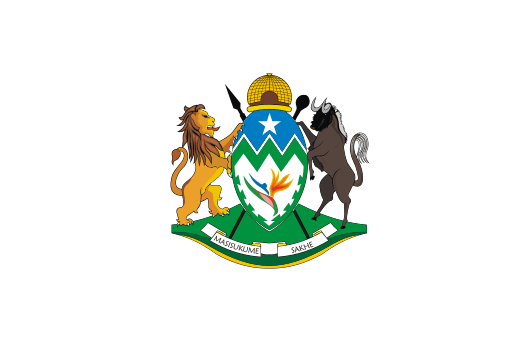




Geography and environment
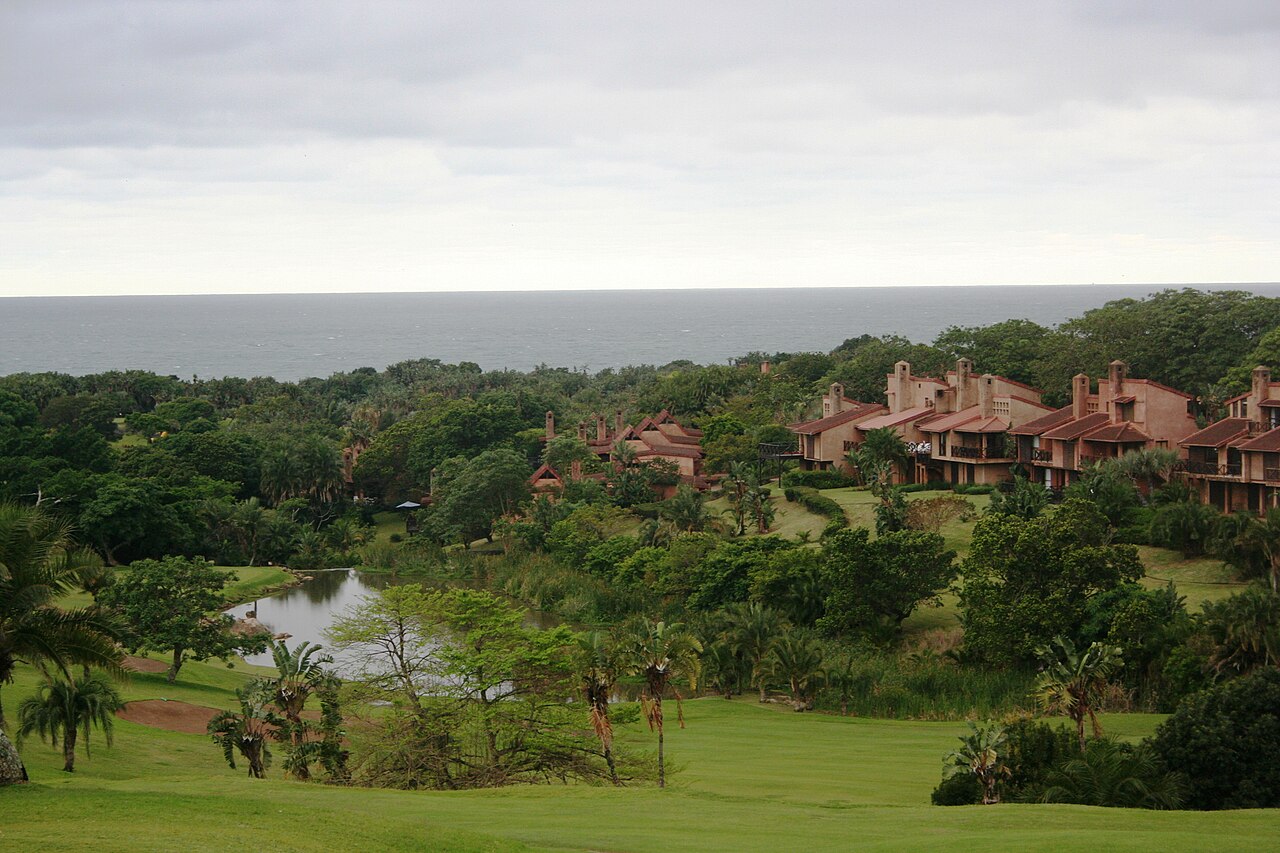
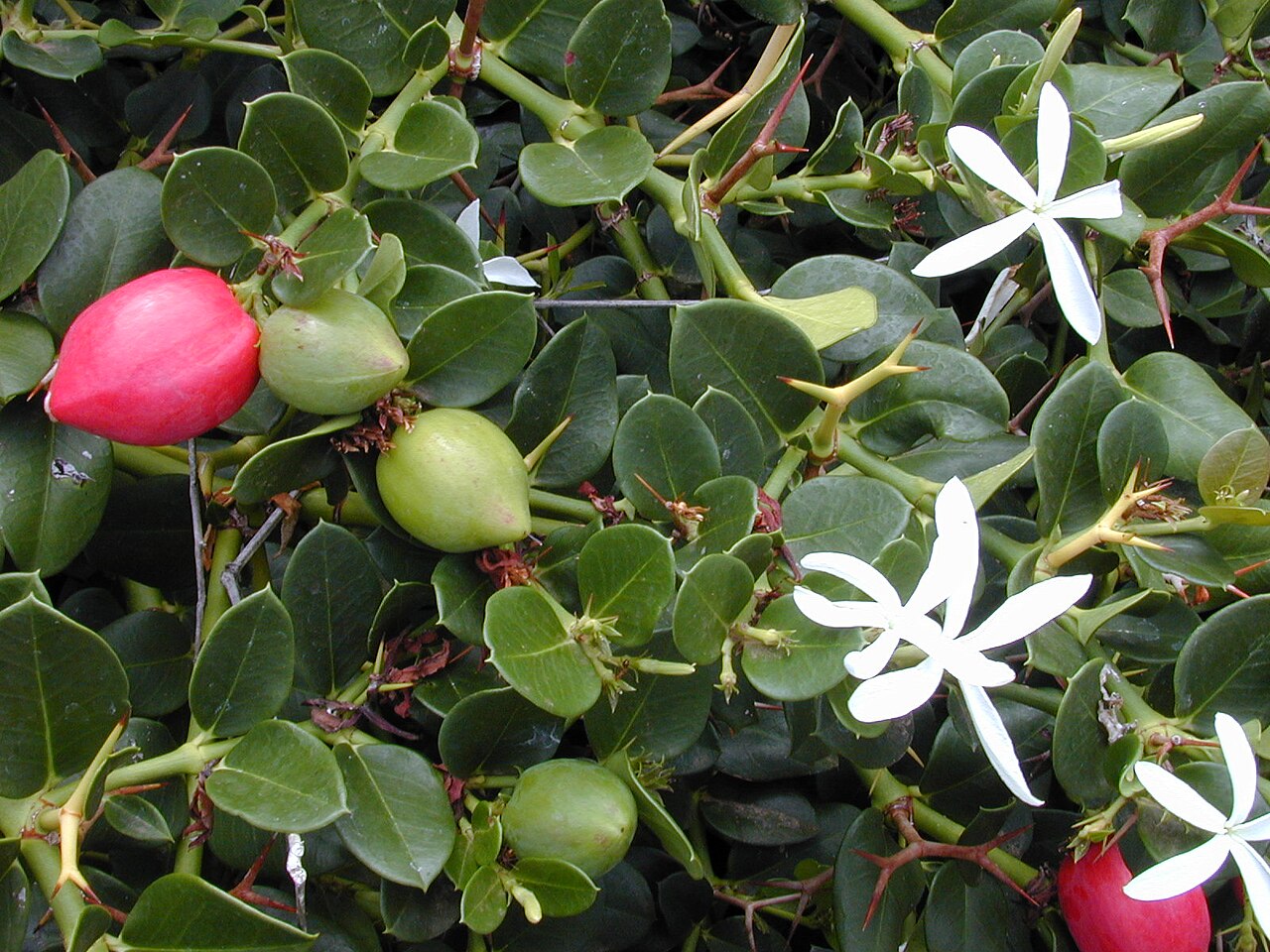
The landscape ranges from subtropical beaches and estuaries to montane grasslands and alpine zones. The province contains internationally recognised conservation areas, including parts of the uKhahlamba‑Drakensberg and coastal wetland systems, which support diverse flora and fauna. The warm ocean currents moderate the climate along the coast, while altitude brings cooler conditions inland.
History and development
Historically the region is central to the Zulu kingdom and later European colonisation. Key events include interactions between the Zulu polity and British colonial forces in the 19th century and the creation of the KwaZulu homeland during apartheid. In 1994 the areas were reunited to form the modern province now often referred to simply as KwaZulu‑Natal.
People, language and culture
The population is culturally diverse but has a strong Zulu presence; isiZulu and English are among the most widely used languages. Traditional practices, music, dance and the role of the Zulu monarchy remain important to regional identity. Urban centres also host sizeable communities speaking other South African languages.
Economy, transport and role
Durban is the province’s largest city and major port, handling significant maritime trade and industry. Agriculture (notably sugarcane), tourism, manufacturing and services are important economic pillars. Major transport links include seaports and an international airport that connect the province to domestic and global markets.
Attractions and notable facts
- Popular destinations include beaches near Durban, the scenic Drakensberg mountains and coastal wetlands.
- Historic battle sites and cultural festivals attract visitors interested in history and heritage.
- Administratively created from Natal and the KwaZulu homeland (KwaZulu), the province illustrates South Africa’s complex 20th‑century history.
KwaZulu‑Natal remains a region of ecological significance, cultural vitality and strategic economic importance within South Africa.
Questions and answers
Q: What is KwaZulu-Natal?
A: KwaZulu-Natal is a province in South Africa.
Q: How is KwaZulu-Natal pronounced?
A: KwaZulu-Natal is pronounced as /kwɑːˌzuːluː nəˈtɑːl/.
Q: What is KZN?
A: KZN is an abbreviation for KwaZulu-Natal.
Q: What was KwaZulu-Natal made up of before 1994?
A: Before 1994, KwaZulu-Natal was made up of the province of Natal and the KwaZulu homeland.
Q: Which province and homeland were combined to form KwaZulu-Natal?
A: The province of Natal and the KwaZulu homeland were combined to form KwaZulu-Natal.
Q: What is Natal?
A: Natal is a former province of South Africa that is now part of KwaZulu-Natal.
Q: What is the KwaZulu homeland?
A: The KwaZulu homeland was a region of South Africa that is now part of KwaZulu-Natal.
Related articles
Author
AlegsaOnline.com KwaZulu‑Natal Leandro Alegsa
URL: https://en.alegsaonline.com/art/54736
Sources
- statssa.gov.za : Stats in Brief, 2010
- statssa.gov.za : "Community Survey 2007: Basic results"
- statssa.gov.za : Mid-year population estimates, 2010
- statssa.gov.za : "Statistical release P0301: Community Survey, 2007 (Revised version)"
- statssa.gov.za : "Table: Census 2001 by province, language, population group and gender"
- nytimes.com : "U.N. Cites Global Rise in Detection and Treatment of AIDS"
- nytimes.com : "South Africa Is Seen to Lag in H.I.V. Fight"
- www1.worldbank.org : "The long-run economic costs of AIDS: theory and an application to South Africa"