
Vann Nath: Cambodian artist, survivor, and witness
Vann Nath (1946–2011) was a Cambodian painter, sculptor, writer and human-rights advocate. A survivor of the Khmer Rouge prison S-21, he documented atrocities and helped revive Cambodia's arts.
Overview
Vann Nath (1946–2011) was a Cambodian painter, sculptor, writer and human-rights advocate known for surviving the Khmer Rouge detention center Tuol Sleng (S-21) and for chronicling what he saw there. His art and writing transformed personal trauma into public testimony, used both to educate Cambodians and international audiences about the crimes of the Pol Pot era and to help restore a shattered artistic tradition.
Image gallery
2 Images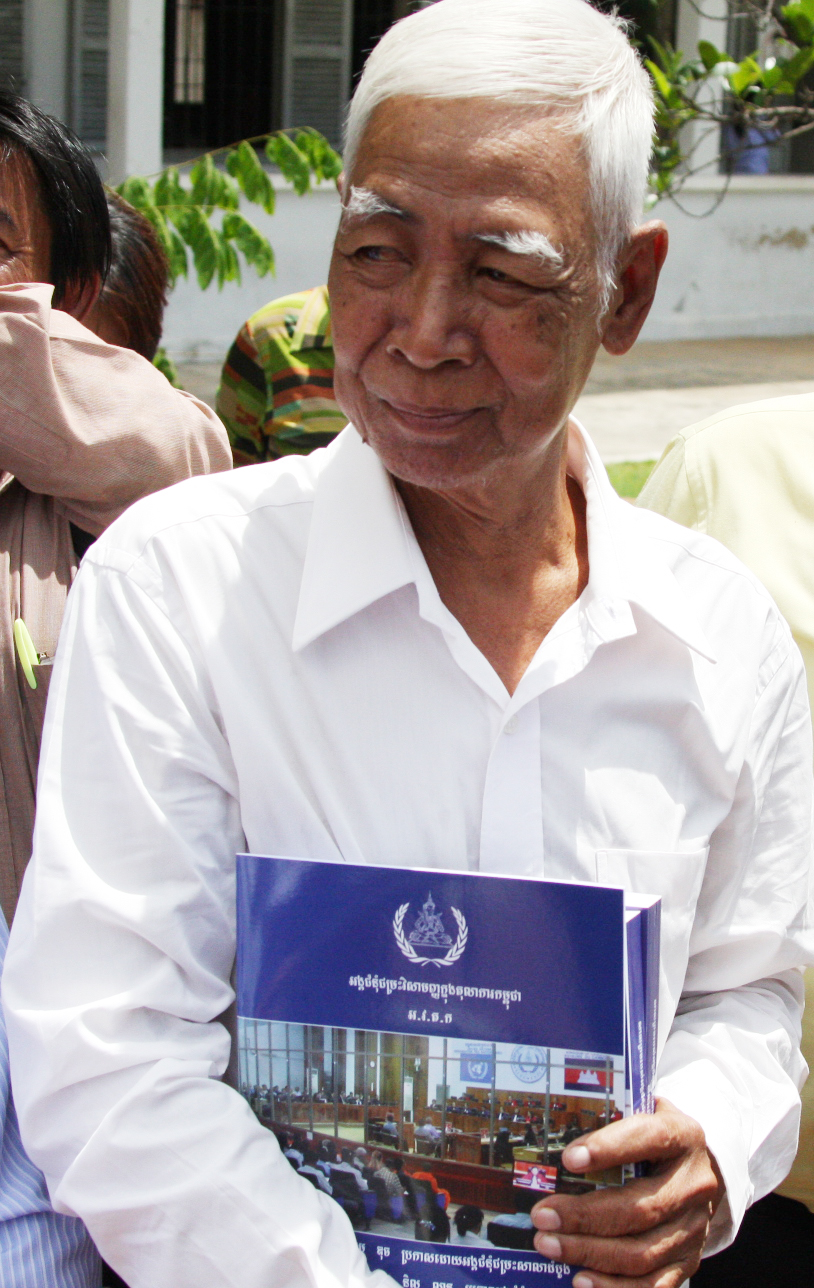
Early life and formation
Born in Battambang Province in northwestern Cambodia, Vann Nath left formal schooling early and worked in factories as a teenager. He later entered a painting school in the mid-1960s and, after a brief period as a Buddhist monk, returned to civilian life to support his family. His early training established technical skill and a realist approach that he would later adapt to documentary and commemorative purposes. For background on his broader biography see artist profile. His years as a monk are often mentioned in accounts of his youth; more on that phase appears at Buddhist monk resources.
Arrest, survival and S-21
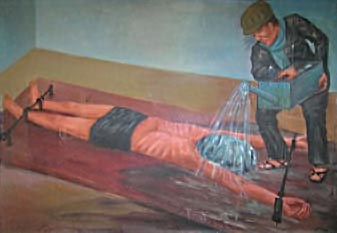
Vann Nath was arrested by the Khmer Rouge regime in early 1978 and imprisoned at Tuol Sleng (S-21), the regime's principal security and interrogation center. Unlike most detainees, he survived; prison officials discovered his artistic abilities and assigned him to make portraits and sculptures rather than execute him. This grim assignment included painting images of leaders and producing works for the regime, a reality he later described as a harrowing compromise. The arrest and the wider political context are inseparable from the history of the Khmer Rouge and its institutions.
Art, writing, and documentary work
After the fall of the Khmer Rouge, Vann Nath returned to painting and sculpture and became one of the most visible figures in Cambodia's cultural recovery. He wrote a first-person account of his imprisonment published in 1988, often cited among the most important survivor narratives about Tuol Sleng. His paintings and three-dimensional works — including portraits and commemorative pieces — confronted the violence of the era and memorialized victims; examples of his sculptural output are discussed at sculptures. He also produced portraits of senior figures such as Pol Pot, rendered in a style that emphasized the contrast between official imagery and the human cost behind it.
In the early 2000s Vann Nath collaborated with filmmaker Rithy Panh on a documentary that brought together former prisoners and guards associated with Tuol Sleng. The film juxtaposed testimony and image, and Vann Nath emerged as a central interlocutor who posed direct questions to his former captors; further information about the film project is available via documentary resources.
Legacy, public role, and later life
Beyond his individual works, Vann Nath played a public role as a witness and advocate for remembrance and accountability. He participated in public conversations about the past, helped preserve Tuol Sleng as a site of memory, and inspired younger Cambodian artists rebuilding an interrupted cultural lineage. In later years he faced health problems but continued to paint and speak about his experiences. He died in Phnom Penh on September 5, 2011; local accounts note his passing and funeral arrangements in Phnom Penh.
Selected themes and significance
- Survival through art: his skills gave him a unique, if painful, route out of immediate execution.
- Documentation and testimony: his memoir and paintings serve as historical sources and moral testimony.
- Cultural revival: he helped re-establish artistic practice and education in post‑conflict Cambodia.
- Public memory and justice: his work supported efforts to remember victims and to confront perpetrators.
Vann Nath remains widely respected in Cambodia and beyond for turning personal suffering into durable records of state violence and for helping to ensure that the visual and verbal traces of those events remain part of public history. His work continues to be studied by historians, human-rights practitioners and artists examining how representation, memory and testimony intersect after mass atrocity.
Related articles
Author
AlegsaOnline.com Vann Nath: Cambodian artist, survivor, and witness Leandro Alegsa
URL: https://en.alegsaonline.com/art/104204
Sources
- bbc.co.uk : "Tuol Sleng survivor and artist Vann Nath mourned"
- guardian.co.uk : "Vann Nath obituary"
- pythiapress.com : "Vann Nath: Eyewitness to genocide"
- pythiapress.com : Pythia Press
- timeout.com : "Vann Nath Film Biography"