
Hernán Cortés: Spanish conquistador who led the fall of the Aztec Empire
Overview of Hernán Cortés (1485–1547), the Spanish conquistador whose expedition (1519–1521) toppled the Aztec Empire, established Spanish rule in central Mexico, and left a contested legacy.
Overview
Hernán Cortés (born 1485, died 2 December 1547) was a Spanish conquistador and colonial administrator best known for leading the campaign that brought the Aztec Empire under Spanish control between 1519 and 1521. His expedition into central Mexico resulted in the capture of the imperial capital of Tenochtitlan and the creation of Spanish political institutions in the region that became New Spain.
Image gallery
10 Images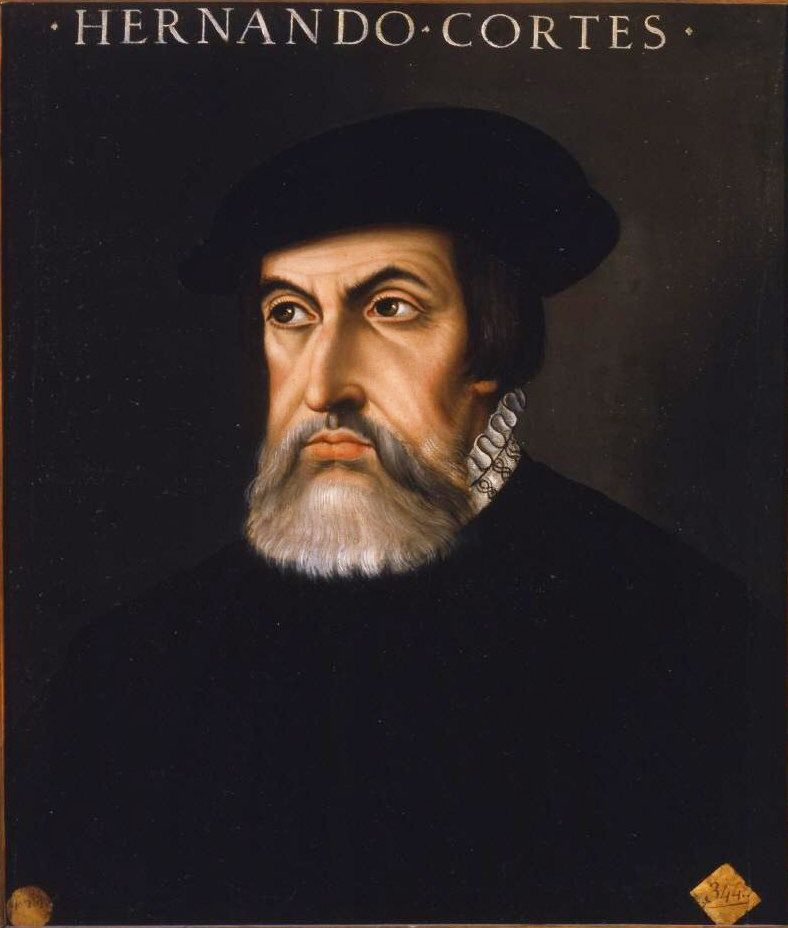




Early life and imperial context
Cortés came from Medellín in Extremadura and received some formal education before sailing to the Caribbean. Like many early conquistadors, he first served in the settlements of Hispaniola and Cuba and later mounted an independent expedition to the mainland, operating within the broader expansion of the Spanish monarchy in the early 16th century.
The campaign in Mexico
Arriving on the Gulf coast in 1519, Cortés moved inland and established alliances with indigenous groups hostile to the Aztec Empire, notably the Tlaxcalans. His forces entered Tenochtitlan and captured the emperor Montezuma II during a period of intense negotiation and conflict. A combination of military tactics, indigenous rivalries, and disease — especially smallpox introduced by Europeans — contributed to the collapse of Aztec resistance by 1521. Events such as the Spanish withdrawal known as "La Noche Triste" and the subsequent siege of the city are central episodes in the conquest narrative.
Governance, correspondence, and later life
After the conquest Cortés assumed significant authority in the new colony, became an encomendero, and corresponded with the Spanish crown to justify his actions and request titles. He sent a famous series of letters describing his expedition to Emperor Charles V. Over time he faced legal challenges and contests over jurisdiction and wealth, returned to Spain to defend his position, and was eventually granted noble honors before his death in 1547.
Legacy and historiography
Cortés remains a figure of deep historical debate: praised in older European accounts as an agent of exploration and criticized for the violence, dispossession and cultural destruction that accompanied conquest. Cultural exchanges that followed included the movement of foods, plants and animals across the Atlantic; credit for introducing substances like cacao-based chocolate and vanilla to European markets is often associated with the early Spanish presence in Mesoamerica, though such transfers were complex and involved many actors.
Further reading
- Primary letters and documents
- Biography and timeline
- Accounts of the conquest
- Context of Spanish expansion
- Studies of indigenous alliances
- Analyses of disease and demographic change
- Research on Tenochtitlan
- Legal disputes and later career
- Cultural exchange: food and plants
- Historiographical debates
- Collections of primary sources
Questions and answers
Q: Who was Hernán Cortés?
A: Hernán Cortés was an explorer and Conquistador from Spain.
Q: What did Hernán Cortés accomplish during his expeditions?
A: between 1519 and 1521, he conquered the Aztec Empire of emperor Montezuma II where Mexico is today.
Q: What products did Hernán Cortés introduce to Europe?
A: Hernán Cortés introduced vanilla and chocolate to Europe.
Q: When was Hernán Cortés born?
A: Hernán Cortés was born in 1485.
Q: When did Hernán Cortés die?
A: Hernán Cortés died on December 2nd, 1547.
Q: What was Hernán Cortés' impact on the Aztec Empire?
A: Hernán Cortés' conquest of the Aztec Empire led to the downfall of their civilization and significant loss of life and resources.
Q: How is Hernán Cortés remembered today?
A: Hernán Cortés is remembered as a controversial and complex historical figure, with his actions representing a significant moment in the interaction between European and indigenous cultures.
Related articles
Author
AlegsaOnline.com Hernán Cortés: Spanish conquistador who led the fall of the Aztec Empire Leandro Alegsa
URL: https://en.alegsaonline.com/art/43841