
Venus flytrap (Dionaea muscipula)
A carnivorous flowering plant native to the coastal plains of the southeastern United States, noted for its rapid snap-traps that capture insects to obtain nutrients in nutrient-poor wetlands.
Overview
The Venus flytrap is a small perennial carnivorous flowering plant, Dionaea muscipula, the sole species in its genus. It is one of the most famous of the carnivorous plants because of its rapid, visible movements. Native to the coastal plain wetlands of the southeastern United States, especially parts of North and South Carolina, the species grows in sunny, acidic, nutrient-poor substrates. In such soils, essential elements like nitrogen are scarce; the flytrap supplements its nutrition by capturing and digesting small animals such as insects and occasionally spiders. The nitrogen and other elements released from prey are used to synthesize proteins and other nitrogen-containing compounds needed for growth.
Image gallery
10 Images



Anatomy and trapping mechanism
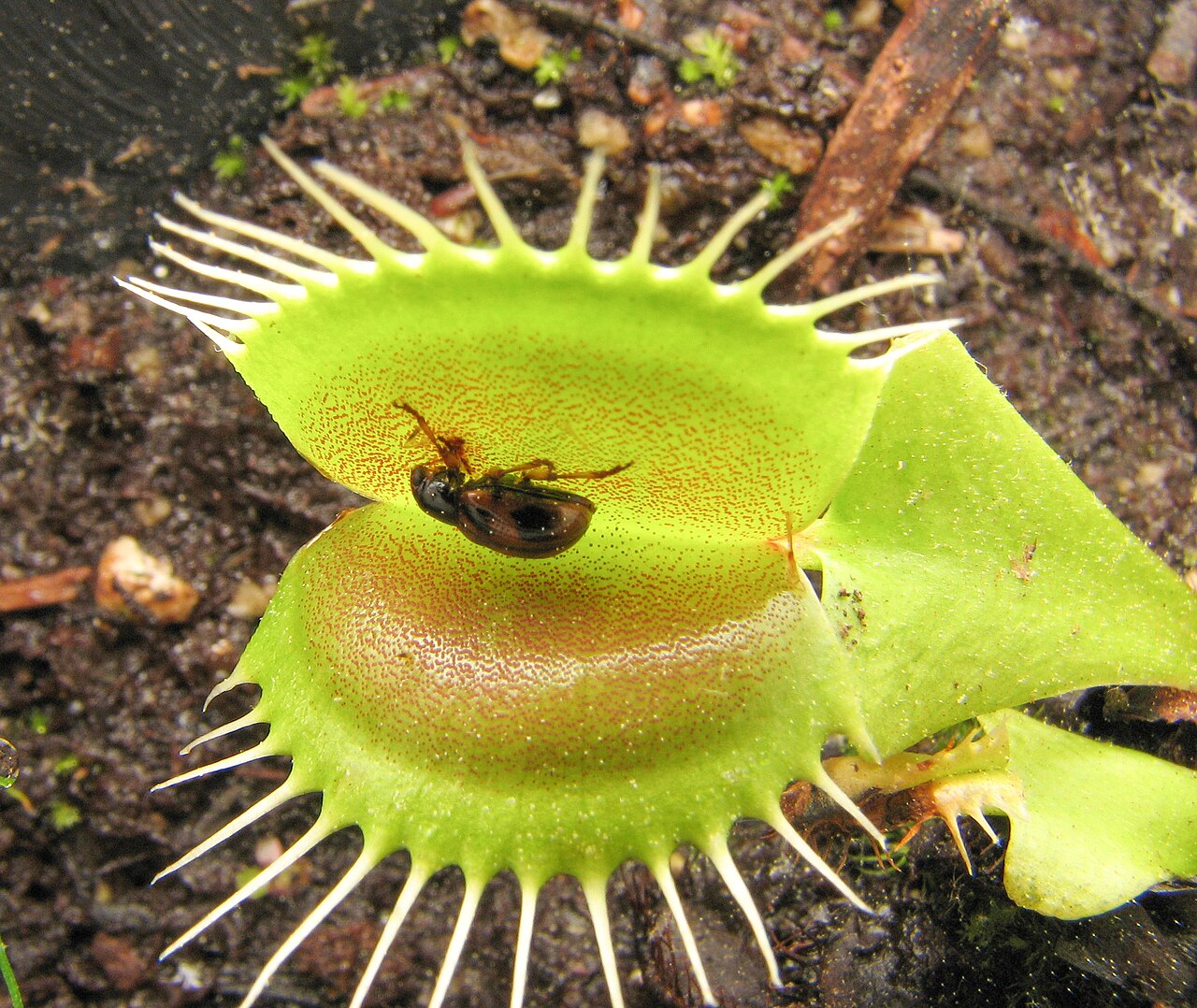
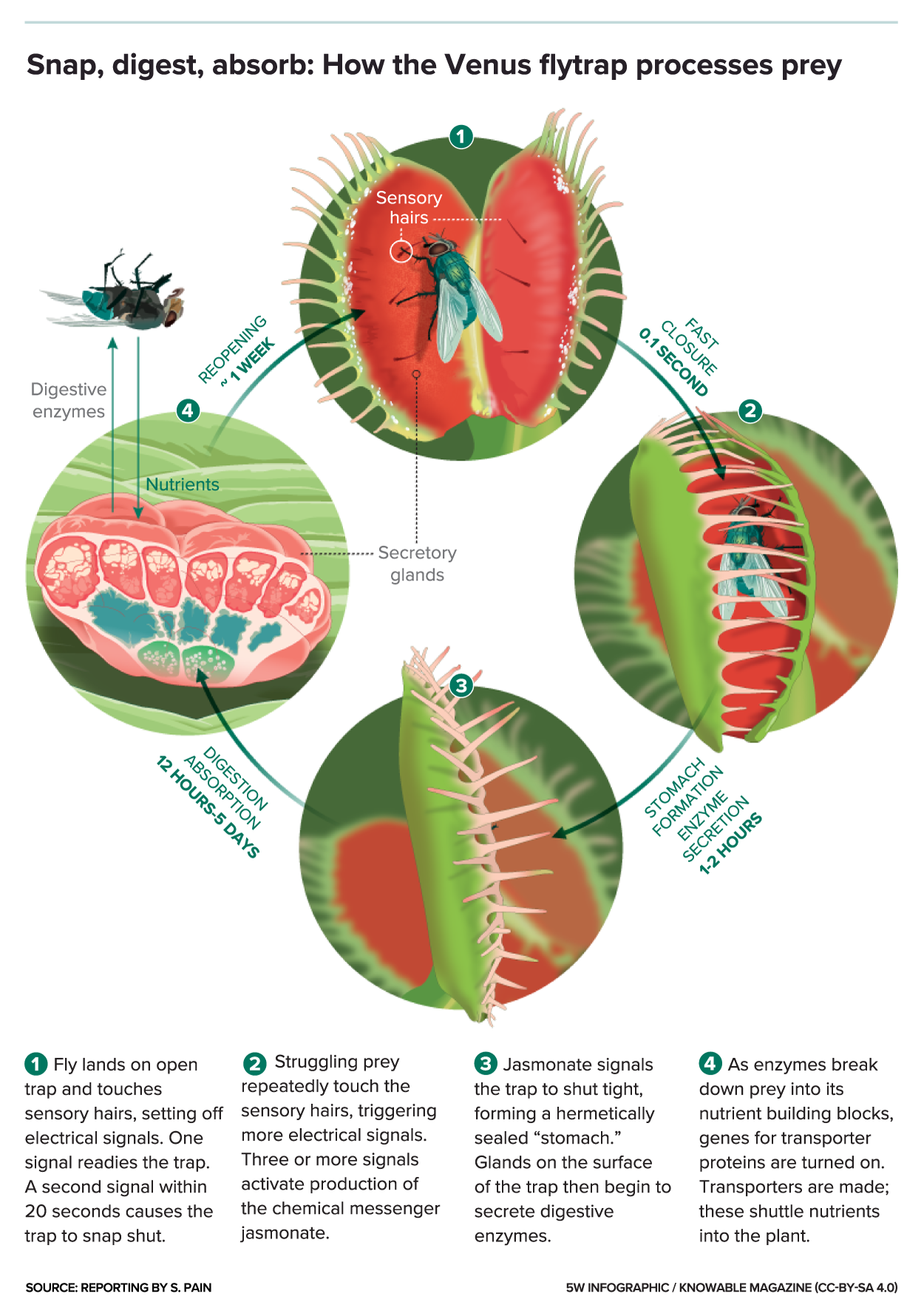
The characteristic "trap" is a modified leaf with two lobes hinged along a midrib and fringed with interlocking cilia that form a barrier when the lobes close. Each lobe bears several sensitive trigger hairs. Mechanical stimulation of a hair produces a short electrical signal; if a different hair is touched within about twenty seconds, a cascade of electrical and chemical signals causes the lobes to close rapidly. This two-touch rule helps avoid wasting energy on non-food stimuli such as raindrops or debris. After the trap snaps shut and seals more tightly, specialized digestive glands secrete enzymes including proteases and chitinases that break down soft tissues, while the plant absorbs dissolved nutrients through the inner leaf surface. Digestion typically requires several days to a couple of weeks depending on prey size and temperature. Each trap functions for a limited number of closures before it withers and is replaced by new leaves from the growing rosette.
Physiology and signalling
Trap closure involves a combination of rapid turgor changes and elastic instabilities in the leaf structure; closure is one of the fastest movements among plants. The initial stimulus generates an action potential that travels across the leaf and triggers downstream responses. Subsequent chemical signaling, including jasmonate-related pathways, activates digestive enzyme production and glandular absorption. These coordinated processes have made the Venus flytrap a useful model for studying plant electrophysiology, signal transduction and the evolution of carnivory.
Habitat, reproduction and life cycle
In the wild, the species favors open, wet, sunny habitats such as bogs and savannas where competition from taller vegetation is reduced by periodic disturbance, including fire. Plants grow from a short underground rhizome and form a compact rosette of leaves that carry the traps. In spring to early summer they produce a tall flower stalk that elevates flowers well above the traps to reduce accidental capture of pollinators. Reproduction occurs by seed and by vegetative means (division and production of offshoots); horticultural propagation also commonly uses seed, division, leaf cuttings or tissue culture.
Cultivation and care
Venus flytraps are widely cultivated for education, research and as ornamental plants. They require conditions that mimic their native habitat: a nutrient-poor, acidic substrate (for example a peat-sphagnum mix), abundant light, consistently moist media, and mineral-free water such as rain, distilled or reverse-osmosis water. They need a cool dormant period in winter to remain healthy. Common cultivation advice includes avoiding fertilizer or feeding with human food; if grown indoors, occasional live insects may substitute for wild prey but the plant still relies primarily on photosynthesis for energy. Over-triggering traps by repeated manual stimulation weakens the plant because each closure consumes resources; each individual trap also has a limited functional lifespan.
Conservation and threats
Wild populations have declined in many areas because of habitat loss, wetland drainage, development, fire suppression and illegal collection. The species is subject to legal protection in parts of its native range and is the focus of conservation efforts that emphasize habitat preservation, restoration of natural disturbance regimes, regulation of trade and encouraging propagation in cultivation to reduce pressure on wild plants. Some assessments list the species as at risk; conservation status and protections may vary by jurisdiction.
Human interactions and misconceptions
- Despite their diet, Venus flytraps are photosynthetic and cannot survive long-term on insects alone.
- Feeding traps meat or other inappropriate foods can rot the leaf and harm the plant; only small live or recently killed arthropods should be offered if feeding is necessary.
- Do not repeatedly trigger traps for amusement—each closure shortens trap longevity and wastes the plant's energy.
Comparisons and notable facts
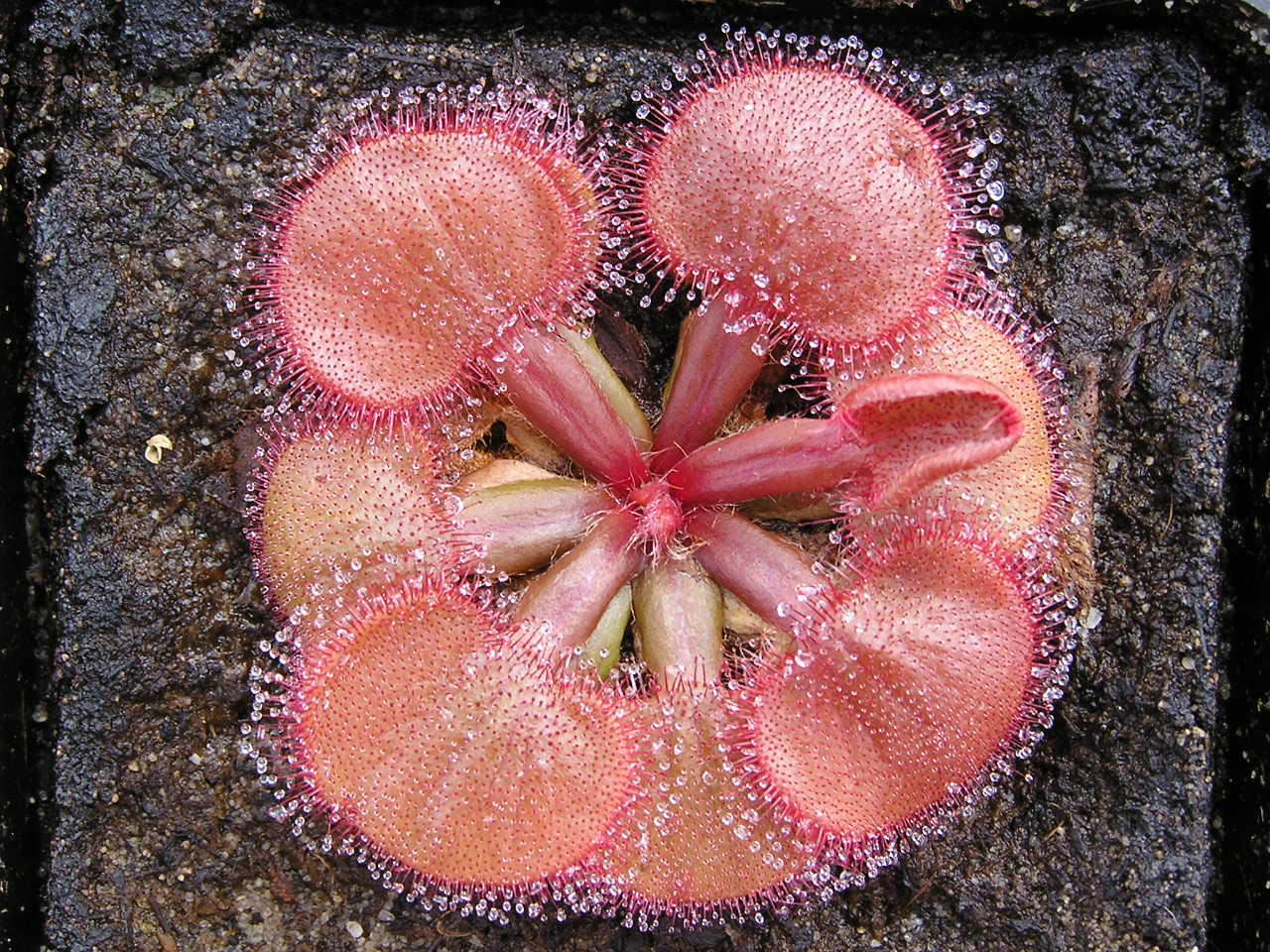
The Venus flytrap differs from passive carnivores like pitcher plants and sticky-leaved sundews because it actively closes its trap after prey stimulation. It is one of only a small group of plants capable of rapid, snap-like movements (snap shut quickly) to capture prey. Its dramatic behavior has long captured public interest and made it a subject of scientific study in areas ranging from ecology to biomechanics. For general background on carnivorous plants and related species see resources on carnivorous plants and broader plant biology references (plants). Additional practical cultivation information and species-specific guidance are widely available from botanical gardens and specialist growers (small animal care notes and horticultural sources may also include practical tips).
For more on prey types and field observations see notes discussing typical diets (mainly flying and crawling insects and occasional spiders) and for advances in understanding trap mechanics consult recent scientific reviews on rapid plant movement and digestive physiology.
Questions and answers
Q: What is a Venus flytrap?
A: The Venus flytrap is a carnivorous plant that eats small animals, such as insects.
Q: Why do carnivorous plants grow in soil that has little nitrogen?
A: Carnivorous plants grow in soil that has little nitrogen because they get nitrogen from the insects they trap.
Q: What is the purpose of the nitrogen that the Venus flytrap gets from insects?
A: The nitrogen that the Venus flytrap gets from insects is used to make intravenous food like proteins and fats.
Q: What makes the Venus flytrap unique among plants?
A: The Venus flytrap is one of a very small group of plants that can snap shut very quickly.
Q: How does the Venus flytrap trap insects?
A: The Venus flytrap traps insects when they crawl along the leaves and touch a hair; the trap closes only if a different hair is touched within twenty seconds of the first touch.
Q: Why does the Venus flytrap have a two-touch trigger mechanism?
A: The Venus flytrap has a two-touch trigger mechanism to ensure that little energy is wasted on things that are not food.
Q: What is the benefit of the Venus flytrap's two-touch trigger system?
A: The benefit of the Venus flytrap's two-touch trigger system is that little energy is wasted on things that are not food.
Related articles
Author
AlegsaOnline.com Venus flytrap (Dionaea muscipula) Leandro Alegsa
URL: https://en.alegsaonline.com/art/104604
Sources
- iucnredlist.org : Dionaea muscipula