
Verbena (vervain): description, characteristics, history and uses
Verbena (vervain) is a genus of flowering plants in the Verbenaceae family. Species are grown as ornamentals, used in traditional remedies, and valued for attracting pollinators; some are wild or invasive.
Verbena is a genus of flowering plants commonly called vervain. The group is placed in the family Verbenaceae and includes species often cultivated for their long-blooming, clustered flowers. The name is associated with the type species commonly called vervain; for general information on the genus consult botanical resources at genus pages and broader plant portals for flowering plants. Historical and species-level information about the type species appears in specialist references linked via type-species resources.
Image gallery
10 Images
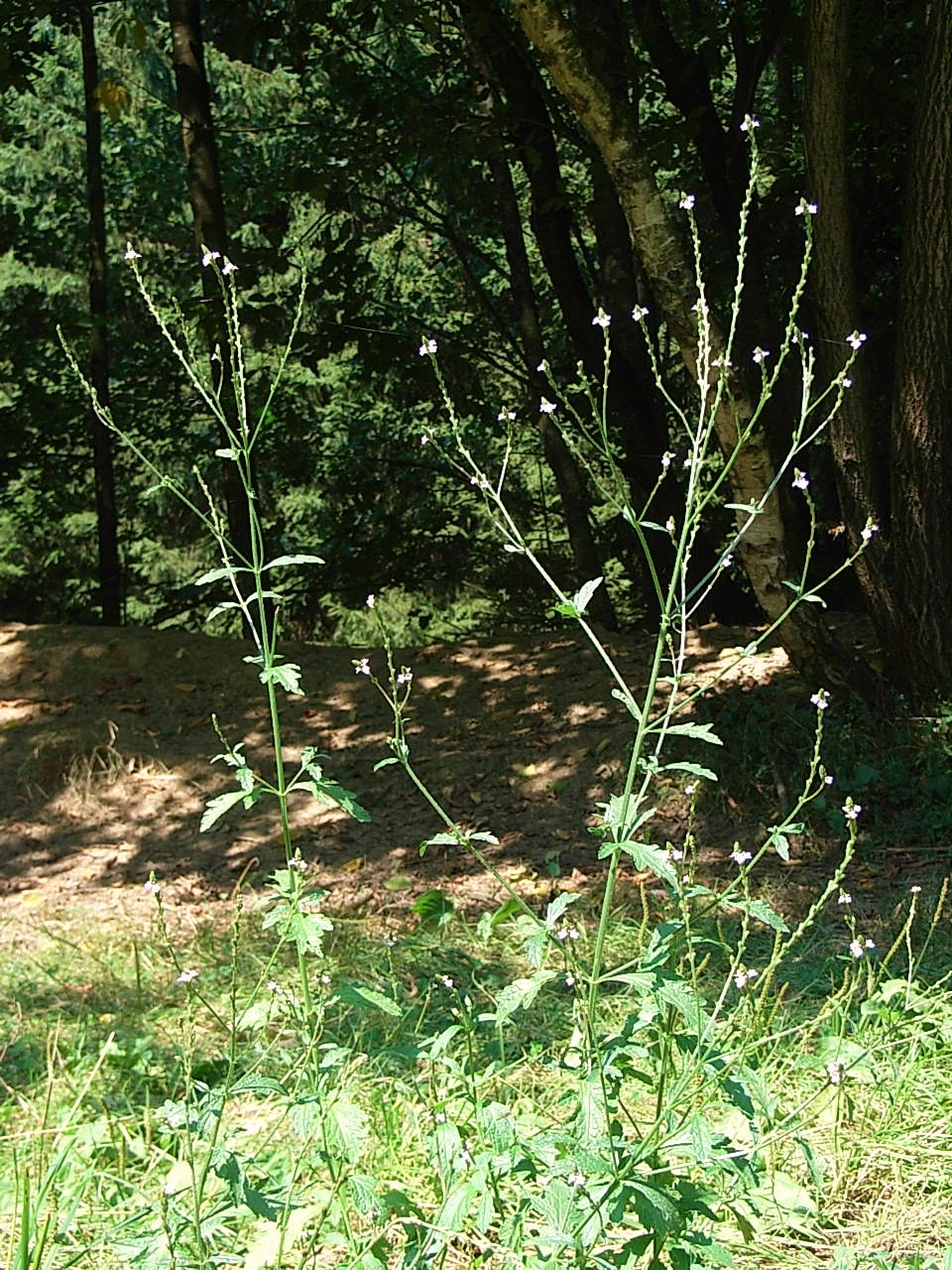

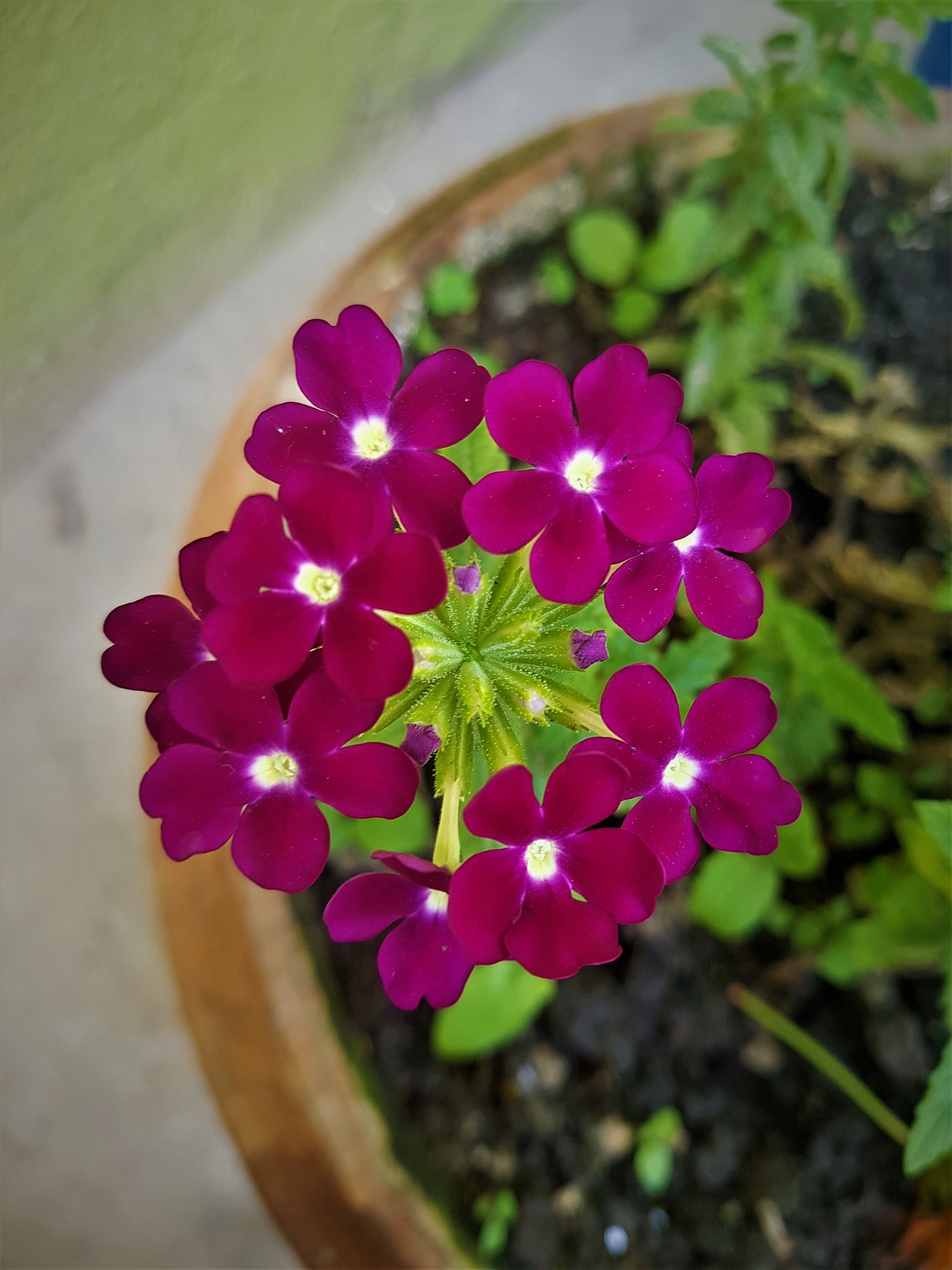


Identification and botanical notes
Verbena species are usually herbs or subshrubs with opposite leaves and slender stems that bear spikes or rounded clusters of small tubular flowers with five lobes. Flower colors include white, pink, red, blue and purple. Many bloom for extended periods in warm seasons and are grown as bedding plants, in containers and hanging baskets. Taxonomy has been revised over time; several New World species historically placed in Verbena have been reclassified into related genera (for example Glandularia) in modern treatments.
Distribution and ecology
Most species of the genus are native to the Americas, although a few occur in Europe, Africa and Asia. They occupy a range of habitats from prairies and open fields to disturbed sites. Verbenas are valued by ecologists and gardeners because their flowers provide nectar for bees, butterflies and other pollinators. Some species naturalize readily and, outside their native range, can become weedy or invasive where conditions favor rapid spread.
Cultivation and propagation
Gardeners grow many verbena species and hybrids for continuous bloom and attractiveness to pollinators. Plants generally prefer full sun and well-drained soil; deadheading spent flowers and occasional trimming help prolong flowering. Propagation is commonly by seed, softwood cuttings or division of established clumps for perennial types. Several hybrid groups have been bred for larger flowers, compact habit or specific colors.
Uses, folklore and cautions
Historically, vervain (Verbena officinalis and related taxa) features in European herbal lore and folk remedies; common uses cited in older sources include mild traditional treatments for stress or digestive complaints. Such traditional uses are part of cultural history, but they should not be taken as established medical evidence. Anyone considering herbal use should consult reputable sources and a healthcare professional. For further botanical details, conservation or cultivation guidance see authoritative plant databases and regional floras at links such as specialist genus resources and general portals for flowering plant information.
Related genera and look‑alikes
Verbena is related to other genera in Verbenaceae. It should not be confused with Lantana, often called shrub verbena, which comprises woody shrubs with different growth form and flower-cluster structure. Accurate identification and species lists are best confirmed through floras or herbarium-backed resources; consult comprehensive references linked via botanical portals such as family-level resources or specific species pages at type-species resources.
Related articles
Author
AlegsaOnline.com Verbena (vervain): description, characteristics, history and uses Leandro Alegsa
URL: https://en.alegsaonline.com/art/104632