
Volt (unit of electric potential)
The volt (symbol V) is the SI derived unit of electric potential difference and electromotive force, equal to one joule per coulomb. Named for Alessandro Volta, it underpins electricity measurement and applications.
Overview
The volt (symbol: V) is the standard unit used to express electric potential difference and electromotive force. It quantifies the amount of potential energy change per unit charge when moving a test charge between two points in an electric field. The volt is an SI derived unit and appears throughout science, engineering and everyday life.
Image gallery
5 Images



Definition and relationships
By definition, one volt corresponds to one joule of energy transferred per coulomb of charge (1 V = 1 J/C). Voltages appear in common formulas: for example, Ohm's law relates voltage (V), current (I) and resistance (R) as V = I × R, and electric power is given by P = V × I. The term commonly used for electric potential difference is voltage.
History and name
The unit honors the work of the Italian scientist Alessandro Volta (1745–1827), a pioneer in electrochemistry who built the first chemical battery, the voltaic pile. The adjective Italian appears frequently in biographies and histories of early electrical research, and the unit name recognizes Volta's contribution to generating steady electrical potential. For the automobile model that took the same name, see the Chevrolet Volt.
Uses, examples and typical values
Voltage values range widely depending on application. Small cells and batteries often provide about 1.5 V per cell; automotive lead–acid batteries are roughly 12 V; household mains supply is commonly near 120 V or 230 V depending on region. High-voltage transmission lines operate at many thousands of volts to reduce losses. Examples include:
- Portable batteries: about 1.2–1.5 V per cell
- Car electrical systems: nominally 12 V
- Residential mains: typically around 120 V or 230 V
Measurement and standards
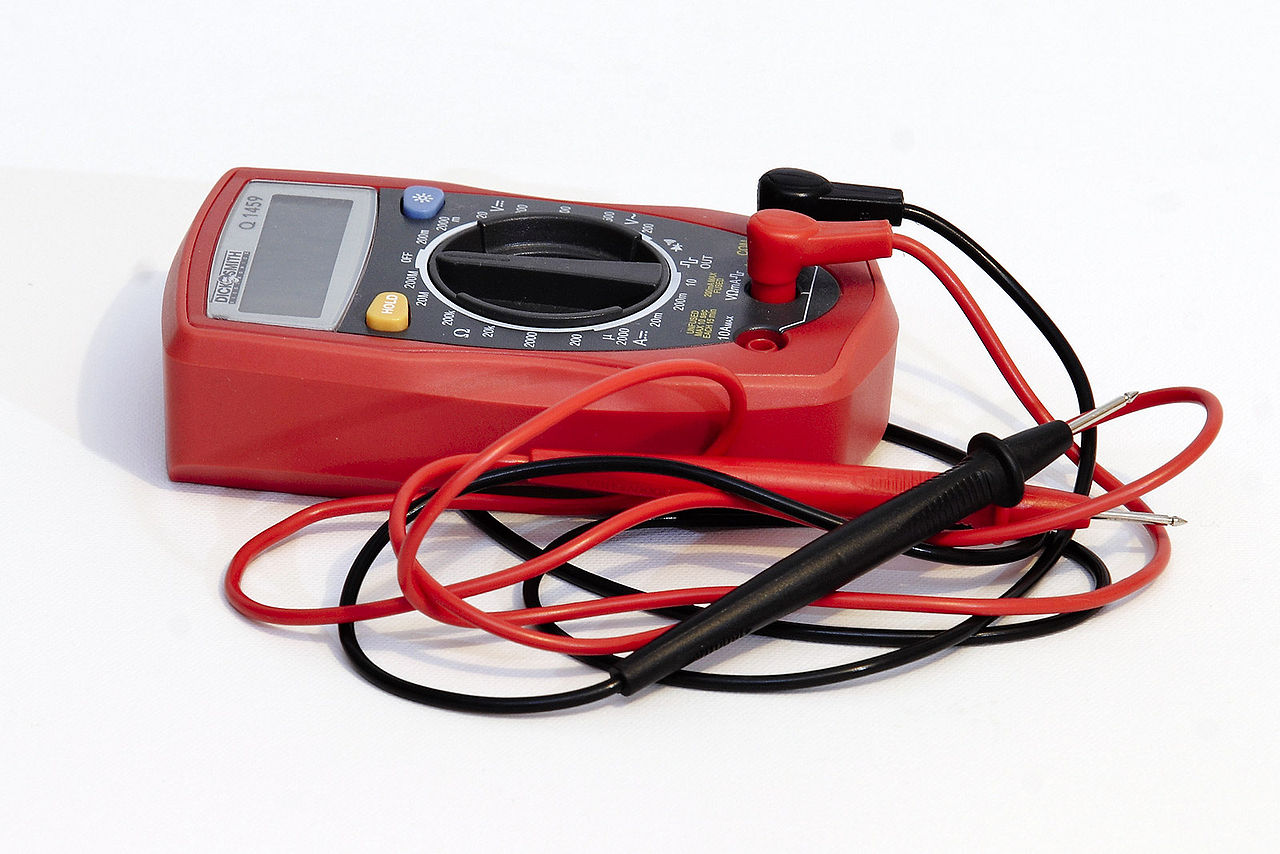
Voltage is measured with voltmeters or multimeters connected across two points. Modern electrical metrology realizes the volt with quantum and physical standards; national standards laboratories use phenomena such as the Josephson effect to link electrical units to fundamental constants. These realizations ensure consistent volt measurements worldwide.
Distinctions and notable points
It is important to distinguish potential difference (measured in volts) from energy: voltage is energy per unit charge, not an amount of energy by itself. The concept of electromotive force (EMF) describes a source's ability to provide a potential difference, while a voltmeter measures the difference between two points. For more on the unit's usage and related topics consult specialist texts and standards documents referenced by institutions such as the International Committee for Weights and Measures and professional societies in electrical engineering; see further reading and resources from national metrology services and technical guides, or general introductions to physicist biographies and historical experiments.
For material on the record label of the same name, search for Volt Records; for technical tutorials on voltage, beginner resources and practical guides are widely available through educational sites and technical handbooks (Italian historical sources may be useful for Volta's original work and experiments).
Related topics: standards and measurement techniques, electrical safety when working with voltages, and the role of voltage in circuit analysis and power systems. See also introductory and advanced resources via technical organizations and educational platforms (SI unit guidance, voltage concepts). For historical context on the early battery, consult sources about the voltaic pile and biographies of Alessandro Volta.
Further reading and external links: manufacturer datasheets, metrology laboratories, educational articles and historical overviews are useful starting points (Chevrolet Volt, for the vehicle name) and specialist archives and collections contain primary historical documents and experimental descriptions (physicist histories and Italian scientific archives).
Questions and answers
Q: What is a Volt?
A: Volt is the SI derived unit of electric potential difference or electromotive force.
Q: What is the symbol for Volt?
A: The symbol for Volt is 'V'.
Q: Who is Volt named after?
A: Volt is named after the Italian physicist Alessandro Volta.
Q: What did Alessandro Volta invent?
A: Alessandro Volta invented the voltaic pile, which was the first chemical battery.
Q: What does the term electromotive force refer to?
A: Electromotive force refers to the energy per unit electric charge that is converted from other forms of energy to electrical energy.
Q: What is the importance of Volt in the field of electricity?
A: Volt is an essential unit of measurement in electrical systems, and it is crucial in the understanding of electric potentials for efficient electric use.
Q: What are some common applications of Volt in electricity?
A: Volt is used to measure the potential difference between two points in an electrical circuit, and it is commonly used to specify the ratings of batteries, electric motors, and other electrical devices.
Related articles
Author
AlegsaOnline.com Volt (unit of electric potential) Leandro Alegsa
URL: https://en.alegsaonline.com/art/105880