
Vaccinium vitis-idaea (lingonberry) — small evergreen berry shrub
Vaccinium vitis-idaea, commonly called lingonberry or cowberry, is a low evergreen shrub of the heath family producing tart red edible berries used in northern cuisines, preserves and horticulture.
Vaccinium vitis-idaea, known widely as lingonberry, cowberry, partridgeberry or mountain cranberry, is a low evergreen shrub in the heath family. It produces glossy, leathery leaves and small bell-shaped flowers that give way to bright red, tart berries. For taxonomic and basic botanical references see taxonomic resources.
Image gallery
10 Images


Botanical description
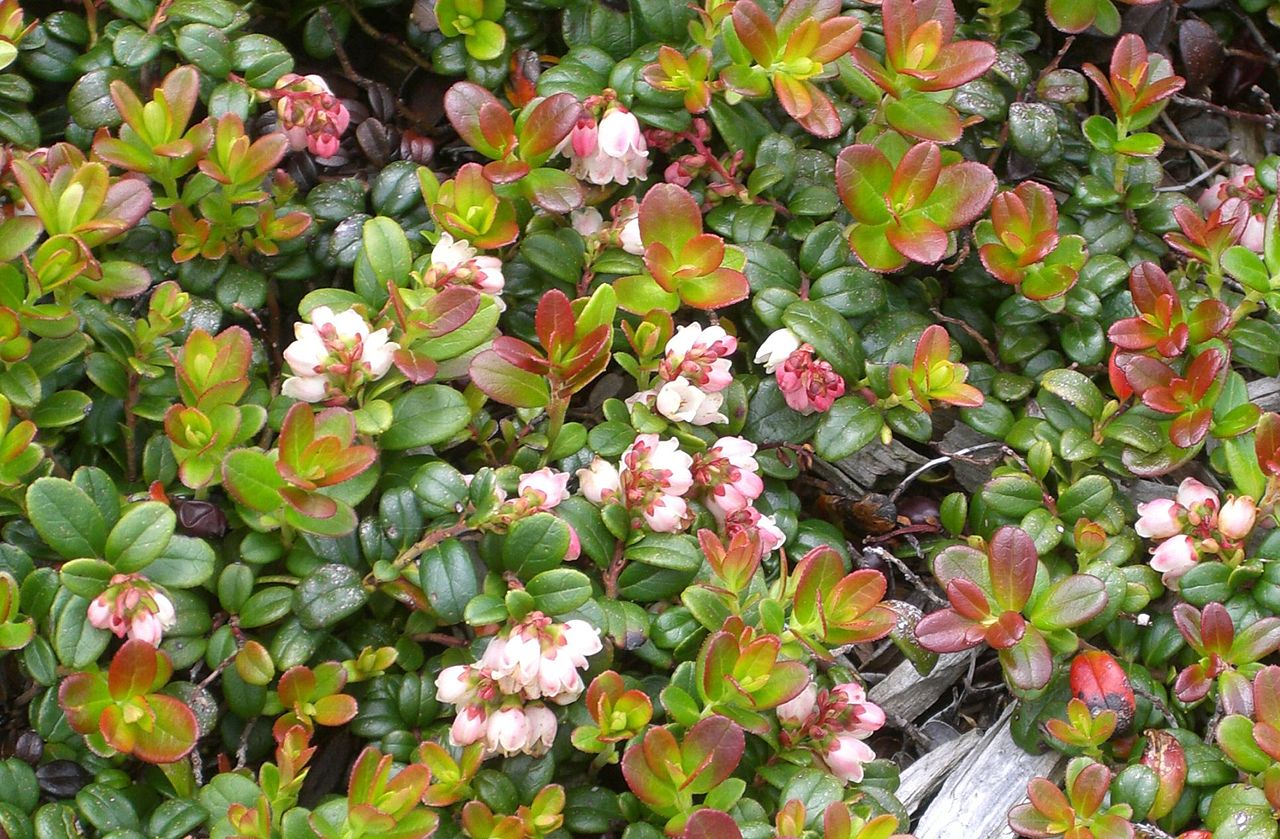
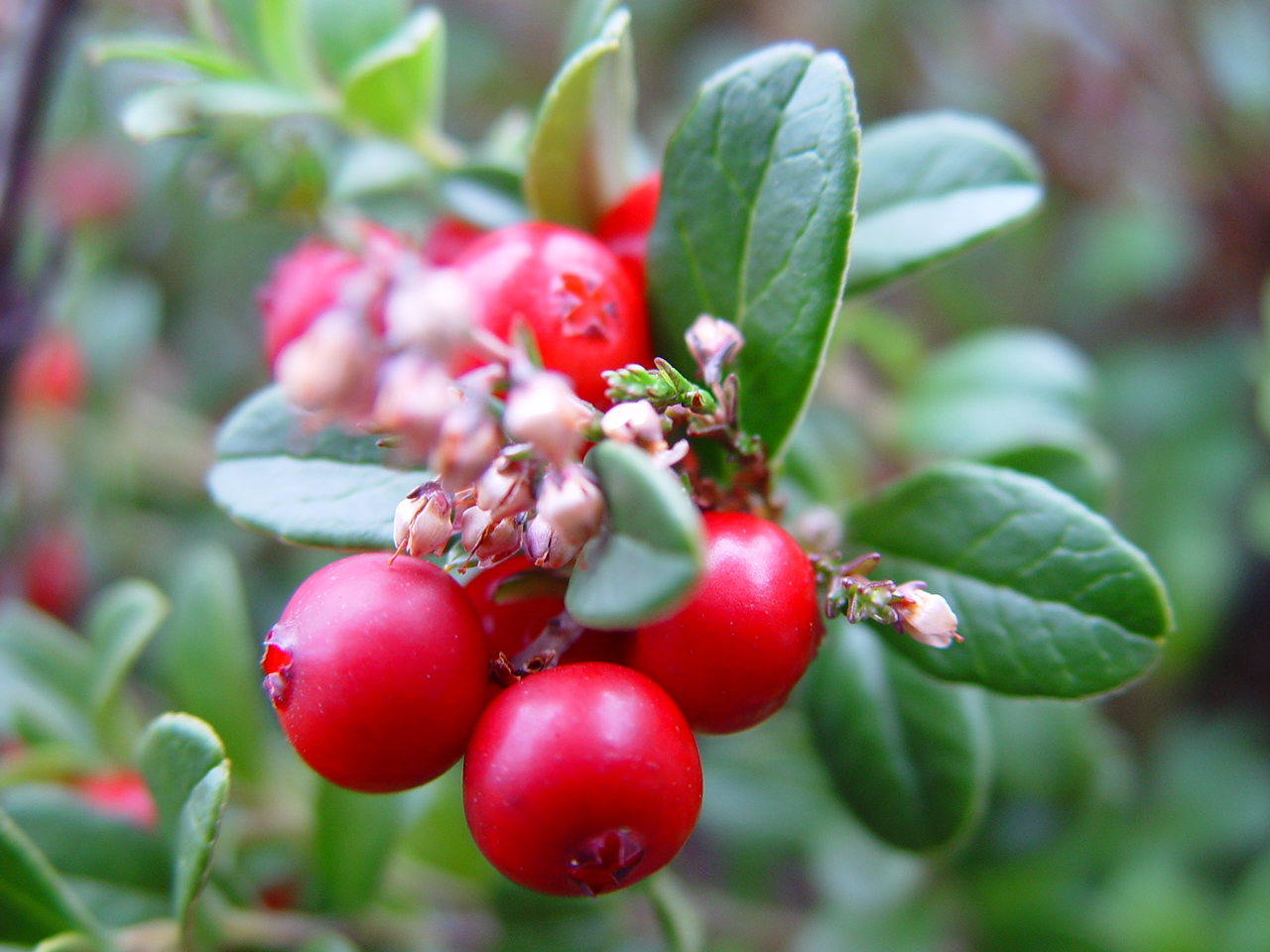
The plant is a creeping to low upright shrub, typically forming mats or loose clumps. Leaves remain year-round and are simple, ovate, and often a few centimeters long. Flowers are usually white to pale pink and hang in small clusters. Fruits are round, red drupes with a characteristic tart flavor; they are edible raw but more commonly processed into jams, sauces and preserves.
Distribution and habitat
Lingonberry has a circumboreal distribution across northern Europe, Asia and North America, thriving in boreal forests, heathlands and alpine zones. It prefers acidic, well-drained but moist soils and tolerates cold climates and short growing seasons. For regional occurrence and habitat details consult distribution maps and habitat guides.
Uses, cultivation and importance
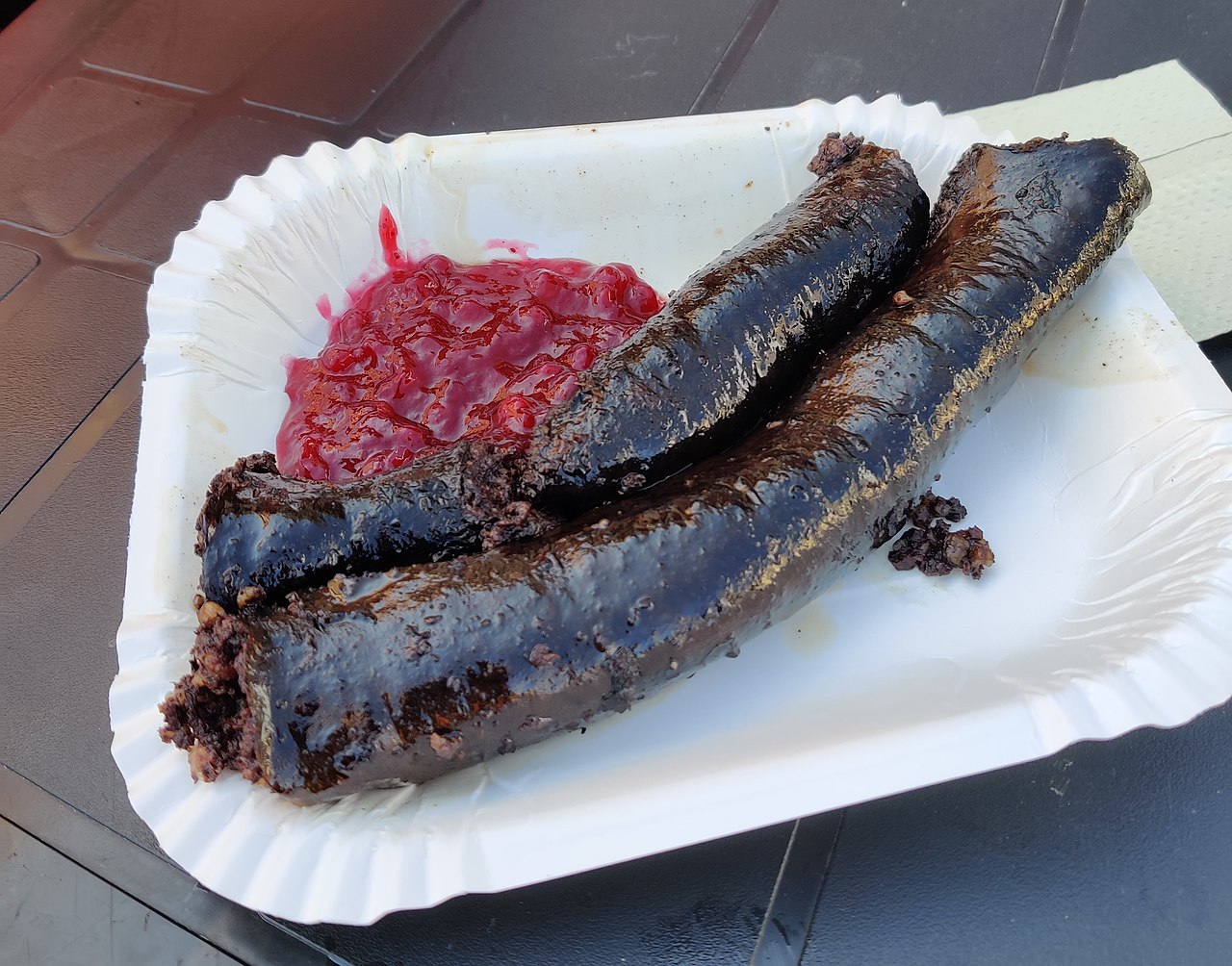
Fruit is valued in Scandinavian, Baltic and northern North American cuisines where it is made into preserves, sauces and condiments. The berries are a source of vitamin C and antioxidants and are harvested both wild and from cultivated varieties. Gardeners grow lingonberry as a groundcover in acid soils; recommended cultivation notes and commercial information can be found via horticultural resources.
Related species and notable facts
- Lingonberry is related to other Vaccinium species such as cranberries and blueberries; see comparative botanical notes at botanical family information.
- It is evergreen, which helps identify it in winter compared with some similar trailing cranberries.
- Cultural significance is strong in northern countries where wild harvesting is a seasonal activity and the berry appears in traditional dishes.
Related articles
Author
AlegsaOnline.com Vaccinium vitis-idaea (lingonberry) — small evergreen berry shrub Leandro Alegsa
URL: https://en.alegsaonline.com/art/103837