
V-1 flying bomb: design, use and impact of the World War II 'buzz bomb'
The V-1 was an early German cruise missile used in World War II. This article explains its design, operational history, effects, Allied countermeasures and its place in weapons development.
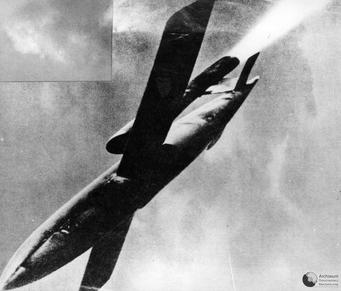
The V-1 flying bomb, nicknamed the "buzz bomb" or "doodlebug," was an early cruise missile deployed by Germany during World War II. It combined a simple autopilot, a pulsejet engine and a warhead to deliver explosives across the English Channel and against other targets. Although comparatively crude by later standards, the V-1 introduced the concept of an unmanned, pilotless strike that could be produced and launched in quantity.
Image gallery
10 Images



Design and characteristics
The V-1 was notable for a small, tubular airframe powered by a pulsejet engine. Its salient features included:
- Propulsion: a pulsejet mounted above the rear fuselage that produced a distinctive buzzing sound, which led to its nicknames; its cruising speed is commonly given in sources as roughly 350–400 mph (560–640 km/h).
- Guidance: a basic autopilot and gyroscopic system that maintained course and released the warhead on a preset distance; this system was relatively crude and not capable of precision targeting.
- Warhead and range: a single high-explosive warhead carried in the nose with a range sufficient to reach southern England from launch sites in occupied Europe.
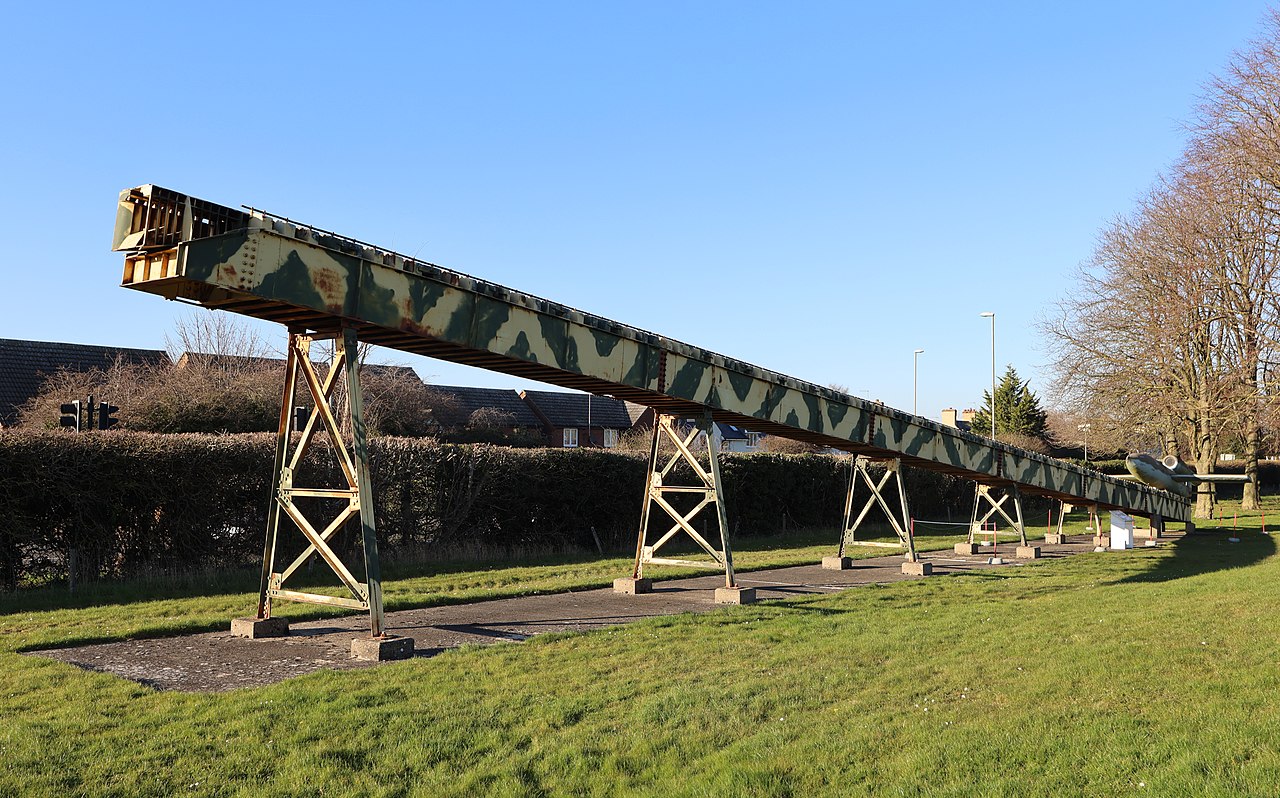
- Launch methods: sites on the ground were used to catapult or ramp-launch V-1s; some were also air-launched from bombers late in the campaign.
Operational history
Developed by German engineers as part of a series of "Vergeltungswaffen" (reprisal weapons), the V-1 entered service in mid-1944. The Luftwaffe directed large salvos against urban and industrial targets, most famously aiming at London and, later, at Antwerp in Belgium. The campaign caused widespread physical damage and civilian casualties and became a significant element of the aerial warfare over western Europe.
Effects, damage and human cost
V-1 strikes destroyed and damaged many homes and buildings and caused civilian deaths and injuries. Rather than being a precision strategic weapon, the V-1 was intended to terrorize and disrupt. Contemporary reports and later studies describe thousands of civilians killed and many more wounded; the attacks also carried an important psychological effect on affected populations and on everyday life in targeted cities.
Allied response and countermeasures
The Allies developed several defenses and tactics to reduce the V-1 threat. Measures included:
- Strategic bombing of launch sites and storage depots to prevent salvos from being fired.
- Anti-aircraft artillery belts around cities and along predicted flight paths to shoot them down.
- Fighter interception: fast Allied fighters were scrambled to chase V-1s—pilots used both gunfire and an unusual tactic of tipping a V-1's wing with their own aircraft to flip its gyros and send it off course.
- Ground-based radar and prediction systems to give warnings and improve defense allocation.
These defenses, together with mechanical failures and guidance inaccuracies, meant that a substantial fraction of launched V-1s never reached their intended targets.
Legacy and notable facts
The V-1 is widely regarded as the first practical operational cruise missile and influenced postwar guided weapons and missile programs. Captured examples were studied by the victorious powers and elements of the technology informed early missile and jet research. Museums and collections in several countries display surviving V-1 fuselages and components. The campaign against cities like London and Antwerp remains a well-known episode in the air war over Europe, illustrating both the potential and the limitations of unmanned strike systems of that era.
For further reading and archival material, consult military history collections and technical analyses that examine the V-1's design, production and the Allied countermeasures that reduced its effectiveness in the later stages of the campaign.
See also: cruise missile, pulsejet, Luftwaffe, and other topics in wartime aviation history.
Related articles
Author
AlegsaOnline.com V-1 flying bomb: design, use and impact of the World War II 'buzz bomb' Leandro Alegsa
URL: https://en.alegsaonline.com/art/103799
Sources
- commons.wikimedia.org : V-1