
Viet Cong (National Front for the Liberation of South Vietnam)
The Viet Cong, formally the National Front for the Liberation of South Vietnam, was a guerrilla and political movement that fought South Vietnamese and U.S. forces during the Vietnam War.
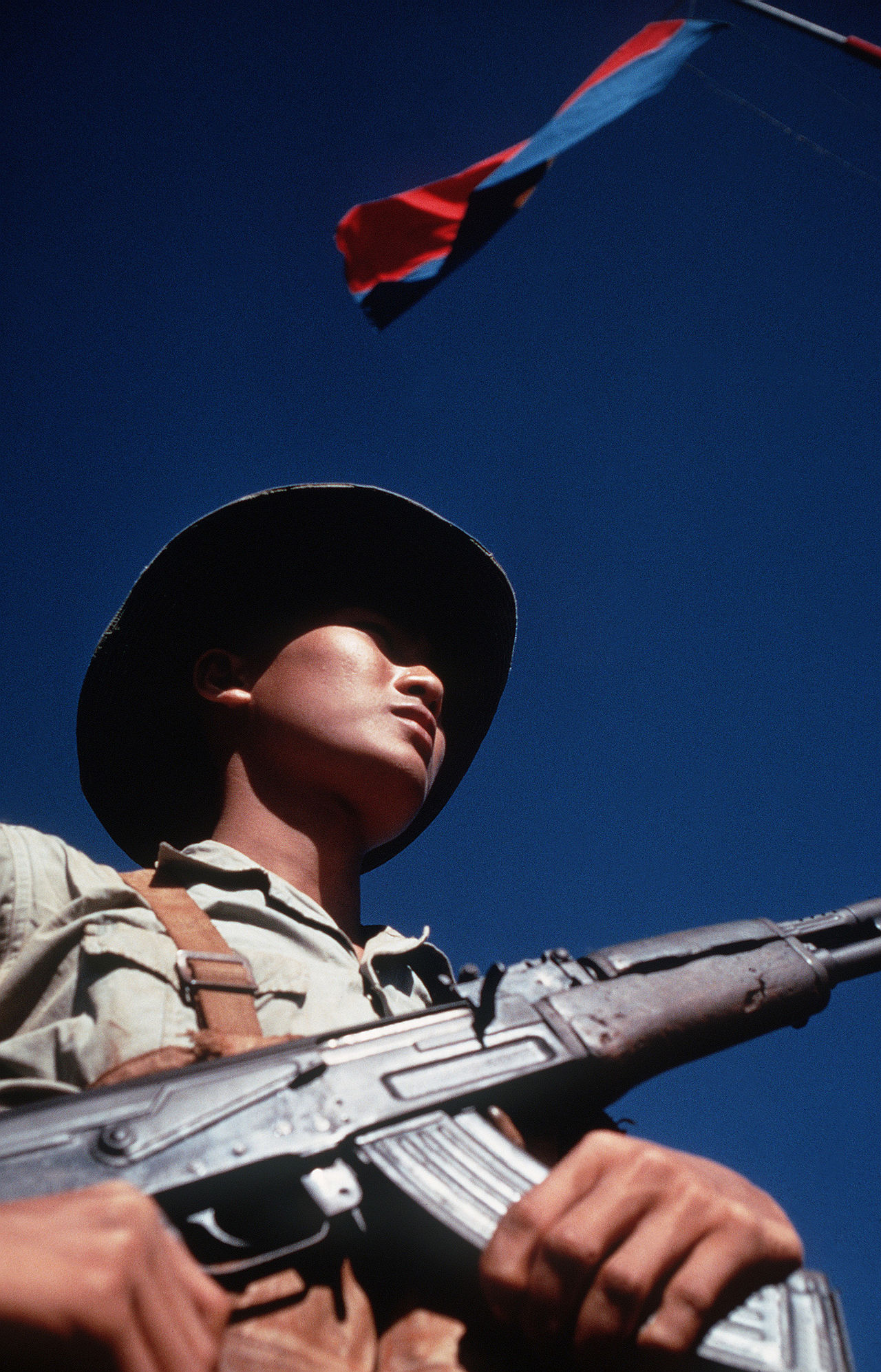
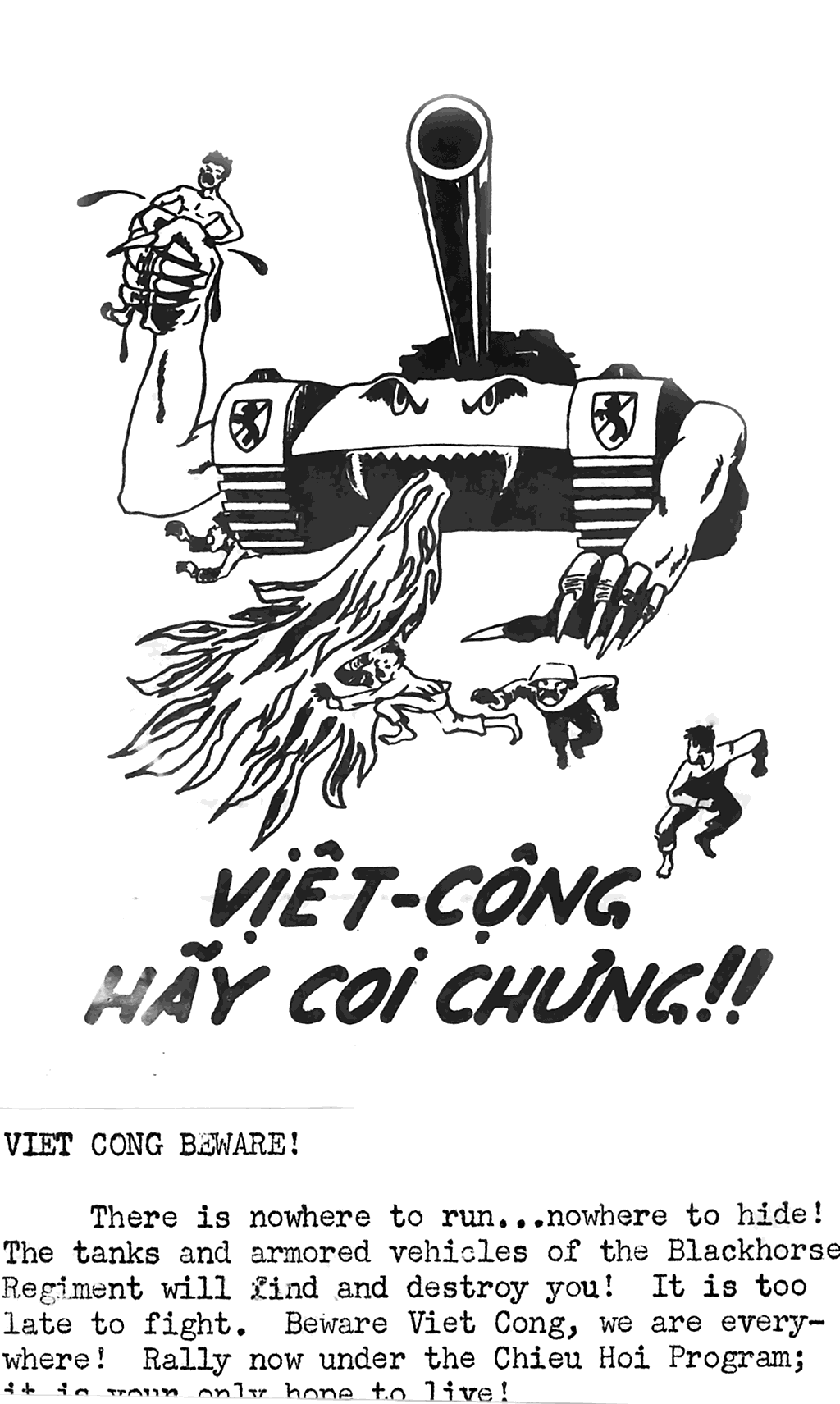
Viet Cong is the common name for the National Front for the Liberation of South Vietnam (NLF), a political and military organization that opposed the governments of South Vietnam and the United States during the Vietnam War (generally dated 1955–1975). Officially formed as a broad front in the late 1950s and active through the 1960s and early 1970s, the NLF combined armed units, local political committees and mass organizations to pursue both military and political objectives. The English nickname "Viet Cong" derives from Vietnamese terms for "Vietnamese communist," and U.S. troops commonly referred to enemy fighters as "Charlie," from the letter "C" in the NATO phonetic alphabet.
Image gallery
10 Images



Organization and composition
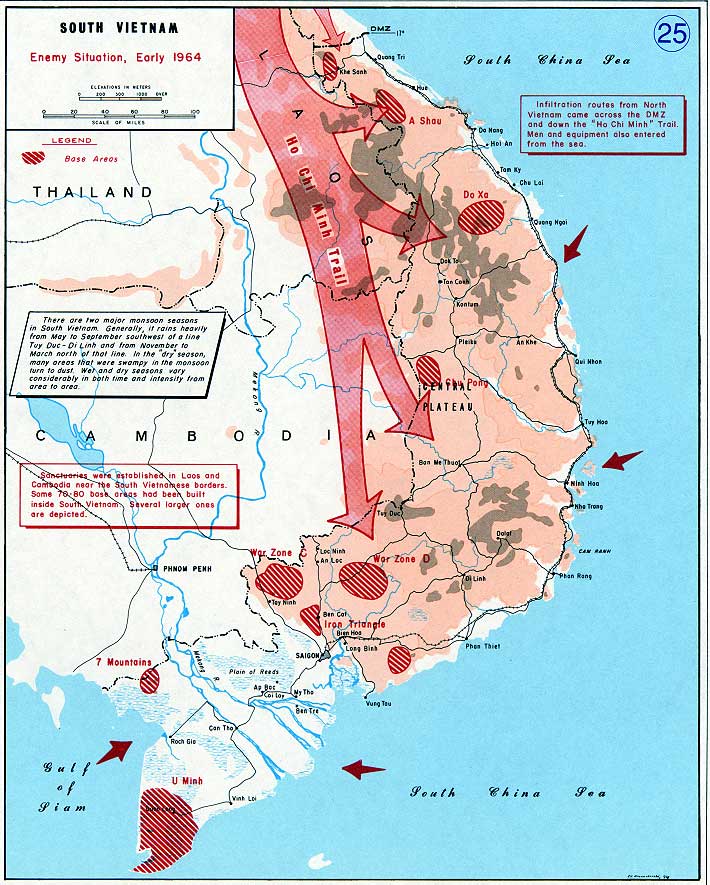
The NLF brought together a varied coalition of rural insurgents, urban activists, and some northern Vietnamese operatives. Membership included dedicated communists, nationalist sympathizers, and villagers mobilized by local grievances. It presented itself as a united front representing South Vietnamese interests while maintaining close political and logistical ties with the government and military of North Vietnam. The movement combined political wings that administered local areas and provided services with guerrilla formations that conducted military operations.
Methods and tactics
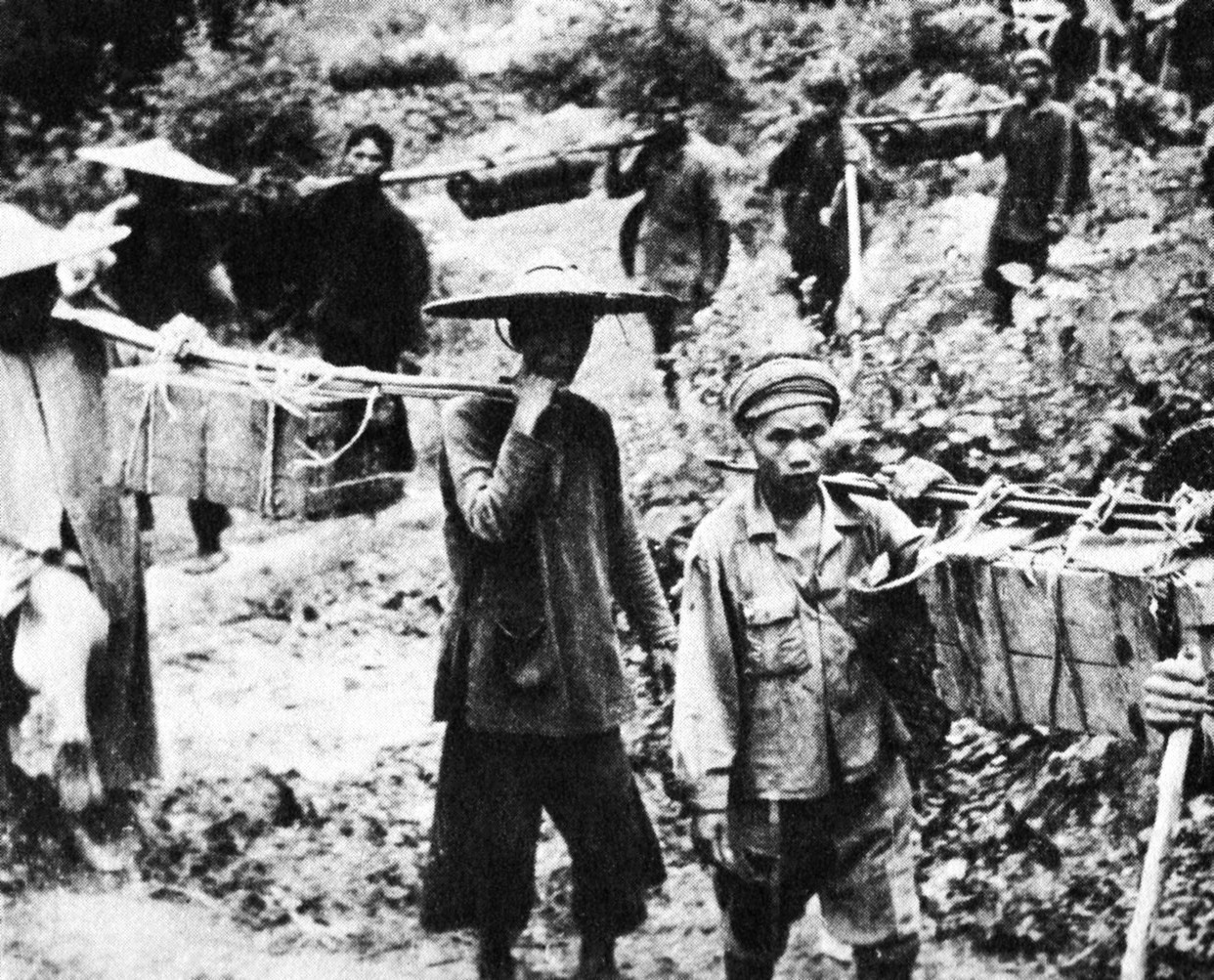
The Viet Cong employed a mix of rural guerrilla warfare, urban insurgency and conventional engagements when conditions allowed. Common tactics included ambushes, hit-and-run attacks, sabotage, tunnel networks, and the use of booby traps and mines. Urban covert actions, assassinations of local officials, and political organizing in villages and towns were also important. These methods aimed to weaken enemy control, erode political support for Saigon, and create space for North Vietnamese reinforcement and influence.
Major campaigns and notable events
- The Tet Offensive of 1968 was a coordinated series of attacks on cities, towns and military bases across South Vietnam during the Vietnamese New Year; it marked a turning point in public perceptions of the conflict and is widely discussed in histories of the war. Tet Offensive actions began in January 1968 as a large-scale surprise attack on multiple population centers.
- Other operations combined long-term insurgency in the countryside with periodic larger assaults supported by units from the North. Political efforts sought to govern liberated areas, collect taxes, and maintain local administrations while armed units contested government control.
Political context and interpretations
The Viet Cong emerged in a context shaped by the 1954 Geneva Accords, land and governance disputes, and the polarization of the Cold War. Scholars and participants have debated motives and causes: some emphasize grassroots resistance to land policies and local repression, others highlight coordination and strategic direction from Hanoi. Analysts such as Noam Chomsky have argued that repression by the South Vietnamese regime and its allies contributed to popular support for the NLF; other historians stress the role of northern strategy and international Cold War dynamics.
Legacy and distinctions
After North Vietnamese forces captured Saigon in 1975, the divisions between NLF structures and the North's institutions were largely absorbed into a single national government. In popular memory, the term "Viet Cong" evokes guerrilla resilience, controversial tactics, and the complex political landscape of Vietnam in the 1960s and 1970s. Distinctions sometimes blurred in combat reporting: U.S. forces often used "Charlie" interchangeably for both southern insurgents and regular northern troops, while Vietnamese usage differentiated between local guerrilla units and the People's Army of Vietnam. The conflict remains subject to varied interpretations, and the NLF continues to be studied as a significant case of insurgency, national liberation movements, and Cold War-era politics.
For further reading and primary source materials, see specialized histories and archived documents linked by academic and governmental collections.
South Vietnam | United States | Vietnam War | NATO phonetic alphabet | North Vietnamese Army | Tet Offensive | surprise attack
Related articles
Author
AlegsaOnline.com Viet Cong (National Front for the Liberation of South Vietnam) Leandro Alegsa
URL: https://en.alegsaonline.com/art/105084