
Volksmarine — the People's Navy of East Germany
The Volksmarine was the naval branch of East Germany's armed forces from 1956 until German reunification in 1990, focused on Baltic coastal defense, mine warfare, fast attack craft and support for Warsaw Pact operations.
Overview
The Volksmarine (German: "People's Navy") was the seaborne arm of East Germany's armed forces. It operated on the Baltic Sea coast and formed the maritime component of the state's defence system. Formed as a service within the wider National People's Army, the Volksmarine combined patrol, coastal defence and specialised mine warfare tasks typical of a Cold War coastal navy. It is often described in Western sources as a navy oriented toward sea denial rather than blue-water power projection.
Image gallery
7 Images




Roles and organization
The service was structured to protect maritime approaches, guard naval bases and support allied operations in the Baltic. Its peacetime responsibilities included coastal patrol, navigation safety, and protecting ports and shipyards. In wartime plans it would have focused on denying access to enemy shipping, laying defensive minefields, escorting amphibious forces, and supporting Soviet Baltic Fleet operations.
Forces and equipment
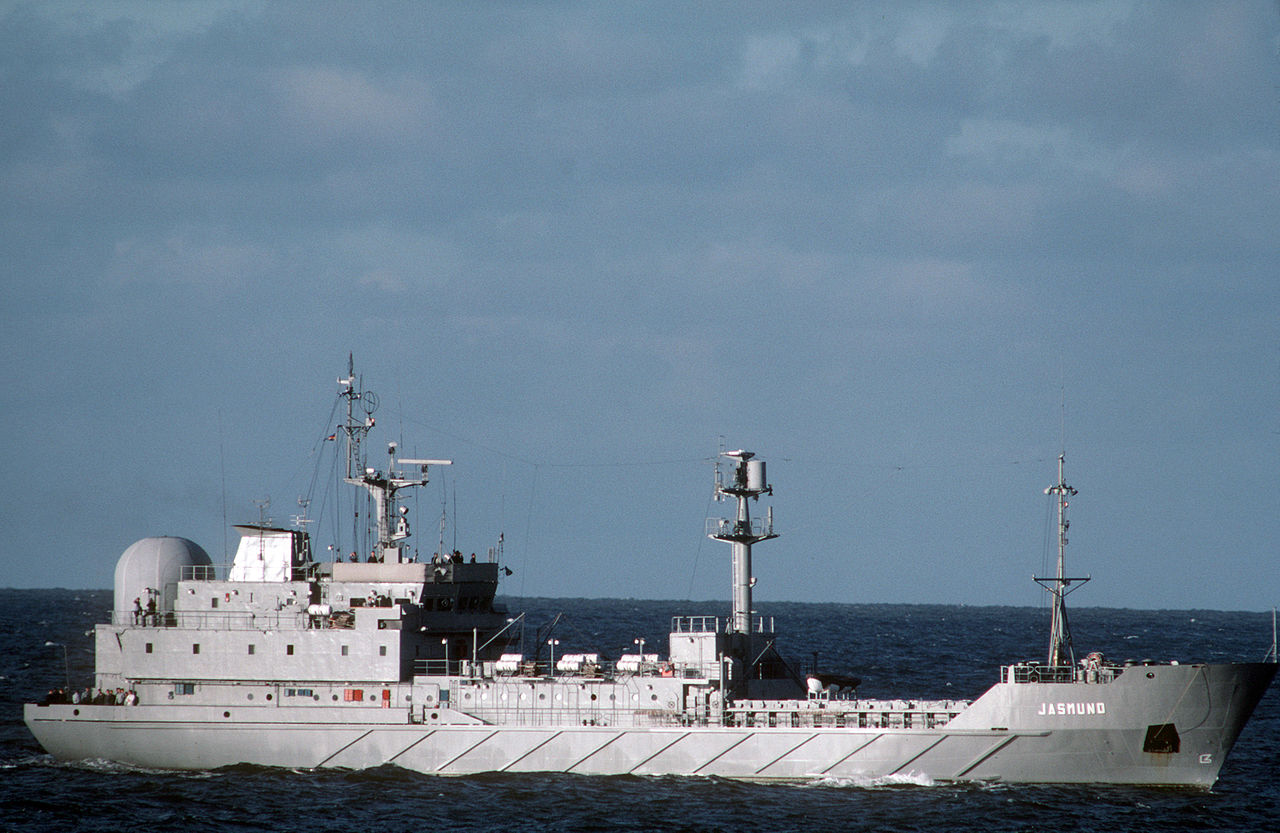
The Volksmarine relied primarily on small, fast combatants and specialised vessels rather than large surface combatants or aircraft carriers. Typical categories of ships and systems included:
- Fast attack craft and missile boats for quick strikes and patrols
- Torpedo boats and patrol craft for littoral combat
- Minesweepers and minelayers for mine warfare and channel control
- Auxiliary vessels for logistics, salvage and training
Many platforms were of Soviet design or built to Soviet specifications, and the navy was equipped with coastal artillery, small-calibre naval guns, torpedoes and anti-ship missiles appropriate to its sea-denial mission. Training emphasized coastal navigation, mine warfare, and combined operations with Warsaw Pact maritime forces.
Bases, personnel and culture
The Volksmarine was stationed along the Baltic littoral at ports and naval installations. Its personnel included sailors, technical specialists and officer cadres who received schooling in naval tactics, engineering and political education. Uniforms and traditions reflected both classical naval practice and the political culture of the German Democratic Republic. Like other East German services, the navy maintained close ties with Soviet advisers and participated in joint exercises with Warsaw Pact allies.
History and dissolution
The organisation traces its formal foundation to 1956, when East Germany created its armed forces; earlier coastal forces and maritime police units provided a foundation for the new service (1956). Throughout the Cold War the Volksmarine remained a coastal defence force aligned with Soviet strategy in the Baltic. After the fall of the Berlin Wall and German reunification in 1990 many units were disbanded, and a number of vessels were scrapped, sold or incorporated into the West German navy. The process of integration and decommissioning reflected both technical incompatibilities and political change.
Legacy and distinctions
Today the Volksmarine is studied as an example of a Cold War coastal navy that balanced limited national resources with alliance commitments. It is remembered for its specific focus on mine warfare, coastal defence and fast-attack tactics rather than power projection. Further reading on naval aspects of East Germany and Cold War Baltic operations is available in specialised histories and archival collections navy studies.
Related articles
Author
AlegsaOnline.com Volksmarine — the People's Navy of East Germany Leandro Alegsa
URL: https://en.alegsaonline.com/art/105843