
Vickers machine gun
British water-cooled, belt-fed heavy machine gun introduced 1912; famed for reliability and long service life from World War I through mid-20th century.
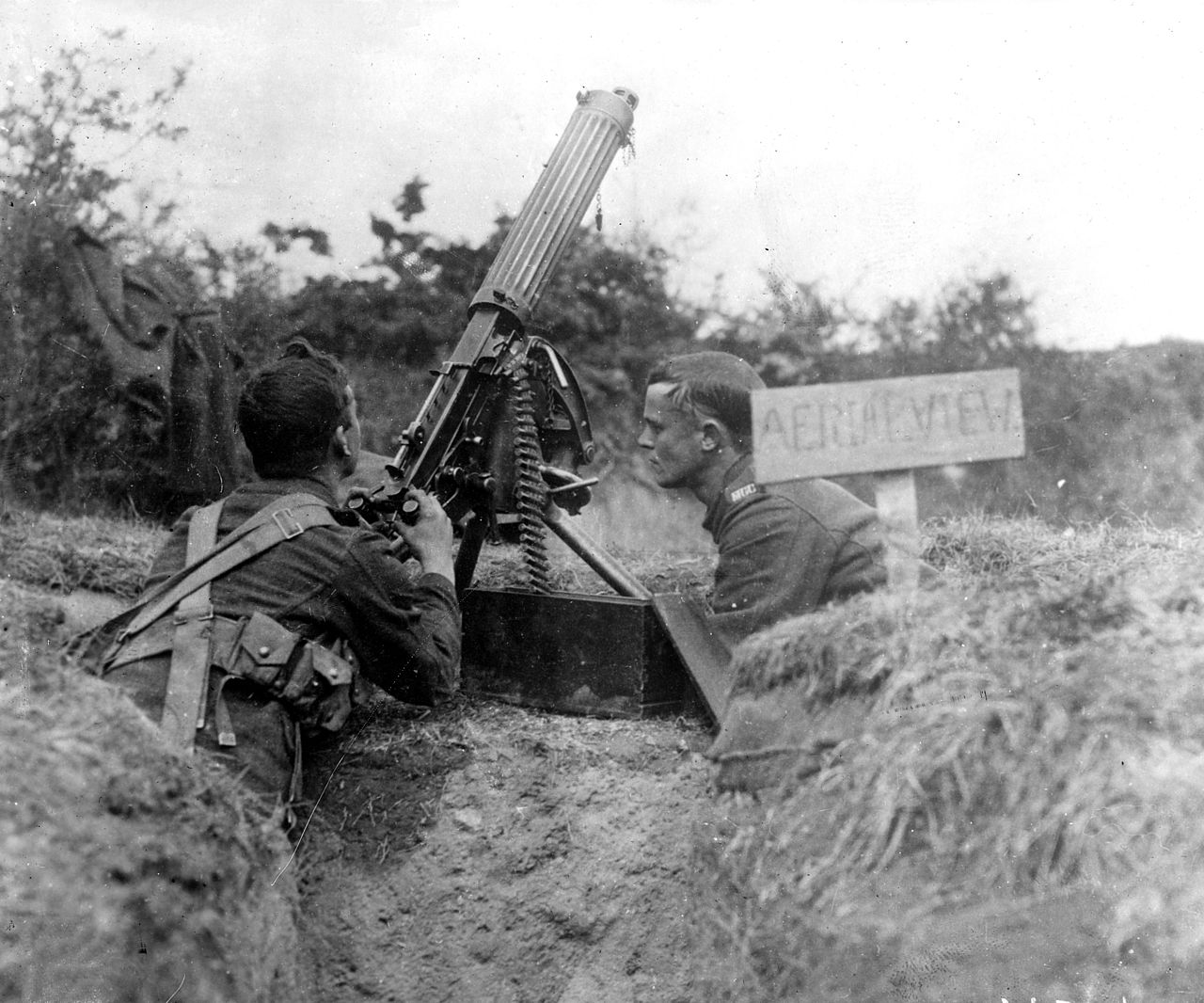
The Vickers machine gun was a British heavy, water-cooled, belt-fed machine gun produced by Vickers Limited and formally adopted for service in 1912. Valued for mechanical simplicity and extraordinary reliability under sustained fire, it became one of the best-known infantry support weapons of the First World War and remained in service in various roles for decades. For general reference see Vickers gun details and its place in British service at British Army weaponry.
Image gallery
10 Images





Characteristics
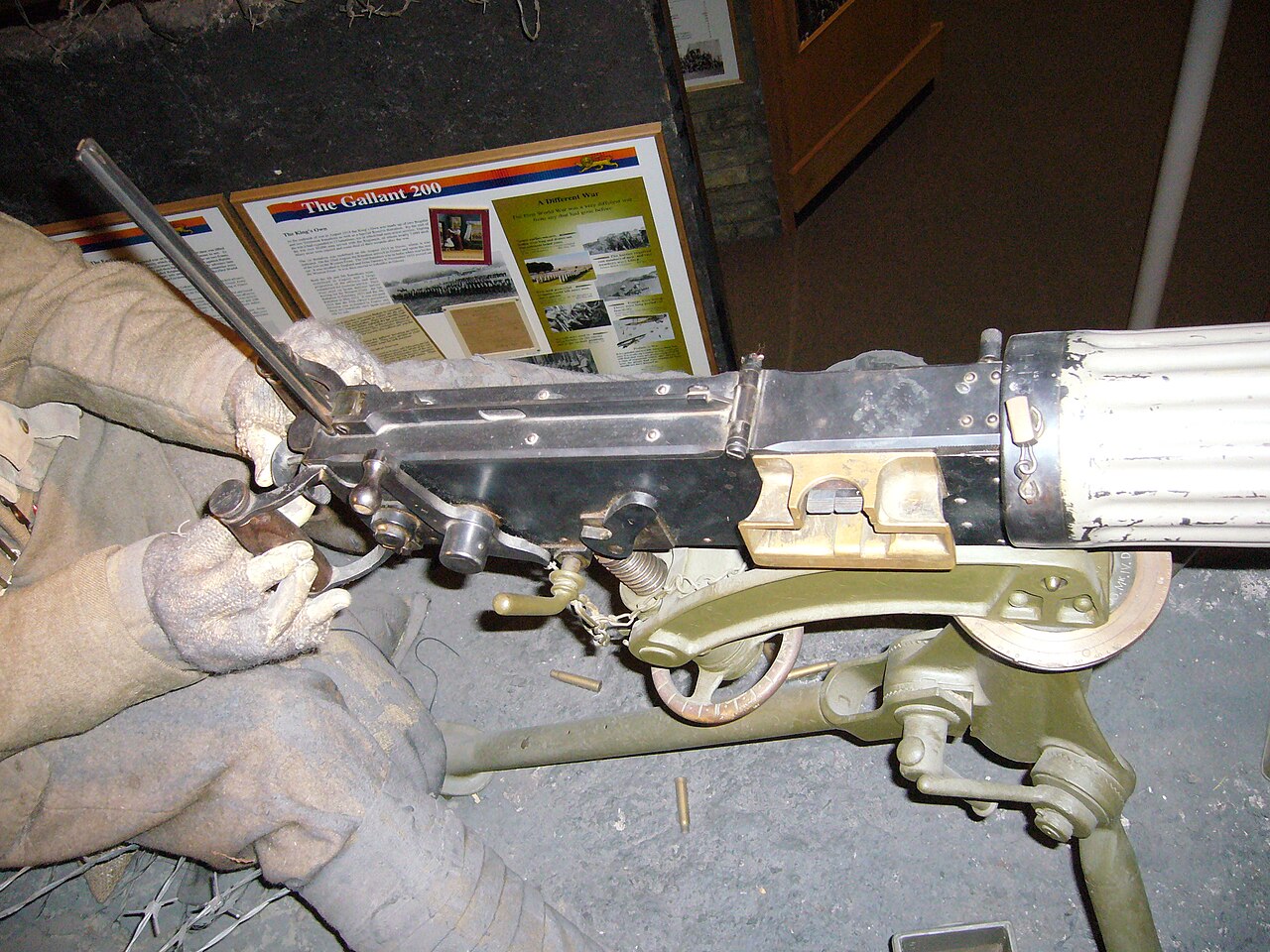
- Cooling: A water-jacket surrounds the barrel to allow long periods of sustained fire without overheating.
- Feeding system: Cloth or metal-linked ammunition belts that permitted continuous bursts until the belt was exhausted.
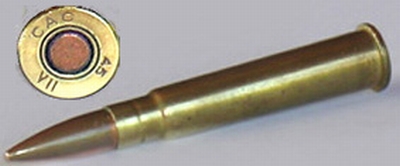
- Calibre and fire rate: In British service most commonly chambered for .303 British and capable of a sustained cyclic rate often cited around 450 rounds per minute.
- Deployment: Heavy and crew-served, normally mounted on a tripod with a separate water container; also adapted for vehicle and aircraft mounting in several variants.
Origin and development
The Vickers design evolved from the earlier Maxim system, a recoil-operated automatic gun. Vickers Limited refined the mechanism, improving manufacturing methods and materials to produce a rugged and dependable weapon. Officially adopted by the British Army in 1912, the Vickers gun was manufactured in large numbers before and during the First World War to meet the demands of modern, industrialized warfare.
Uses and tactical role
On the battlefield the Vickers served as the principal medium machine gun for British and Commonwealth forces, used to provide sustained suppressive fire, defend trenches, and support infantry attacks. Its capacity for continuous fire made it particularly effective in defensive positions and as part of coordinated fire plans. Because of its robustness it was also adapted to mountings on armored vehicles, naval vessels, and some aircraft in both world wars and in colonial policing actions between conflicts.
Variants, longevity and legacy
Over its service life the Vickers spawned multiple variants to suit different mounts and ammunition types. Its reputation for durability and the ability to fire long controlled bursts earned it enduring respect from users. Although gradually superseded by lighter, air-cooled designs after the Second World War, the Vickers remained in British service in niche roles until its final withdrawal in 1968. Its influence is visible in later heavy machine gun design and in military thinking about sustained automatic fire.
Notable facts
- Renowned for exceptional reliability under adverse conditions.
- Widely manufactured and exported; many nations used it in the 20th century.
- Frequently cited in discussions of infantry tactics in the First World War because of its major impact on battlefield firepower.
Related articles
Author
AlegsaOnline.com Vickers machine gun Leandro Alegsa
URL: https://en.alegsaonline.com/art/104927
Sources
- spartacus.schoolnet.co.uk : "Vickers Gun"
- vickersmachinegun.org.uk : "THE VICKERS MACHINE GUN"