
USS Arizona (BB-39)
Pennsylvania-class US battleship commissioned 1916; served in WWI, famously sunk at Pearl Harbor on December 7, 1941. The wreck is a federal memorial and symbol of American entry into World War II.
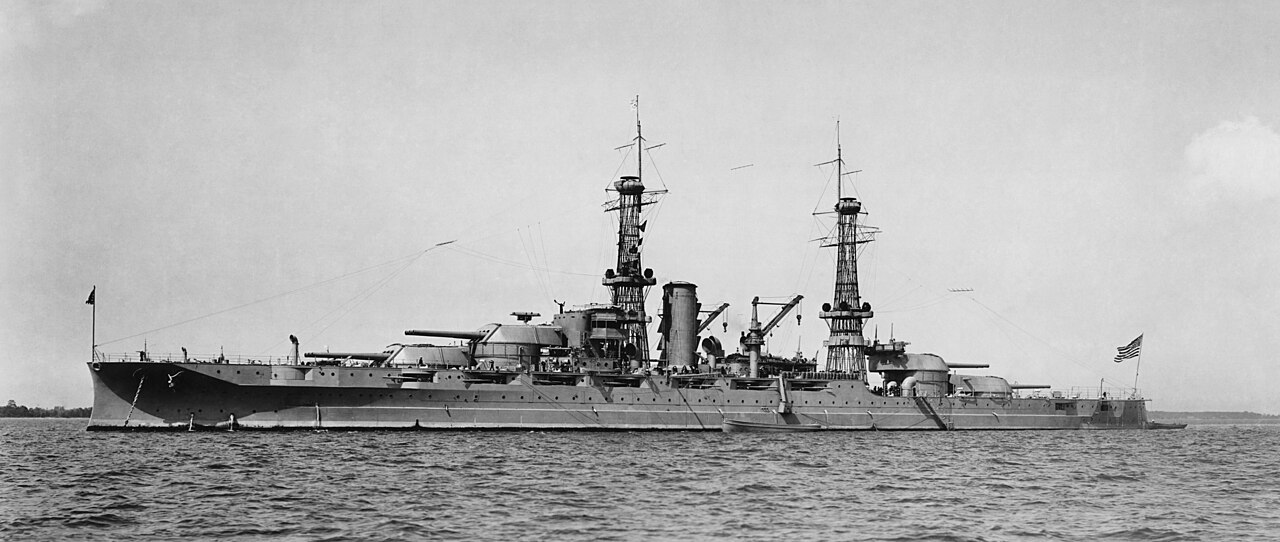
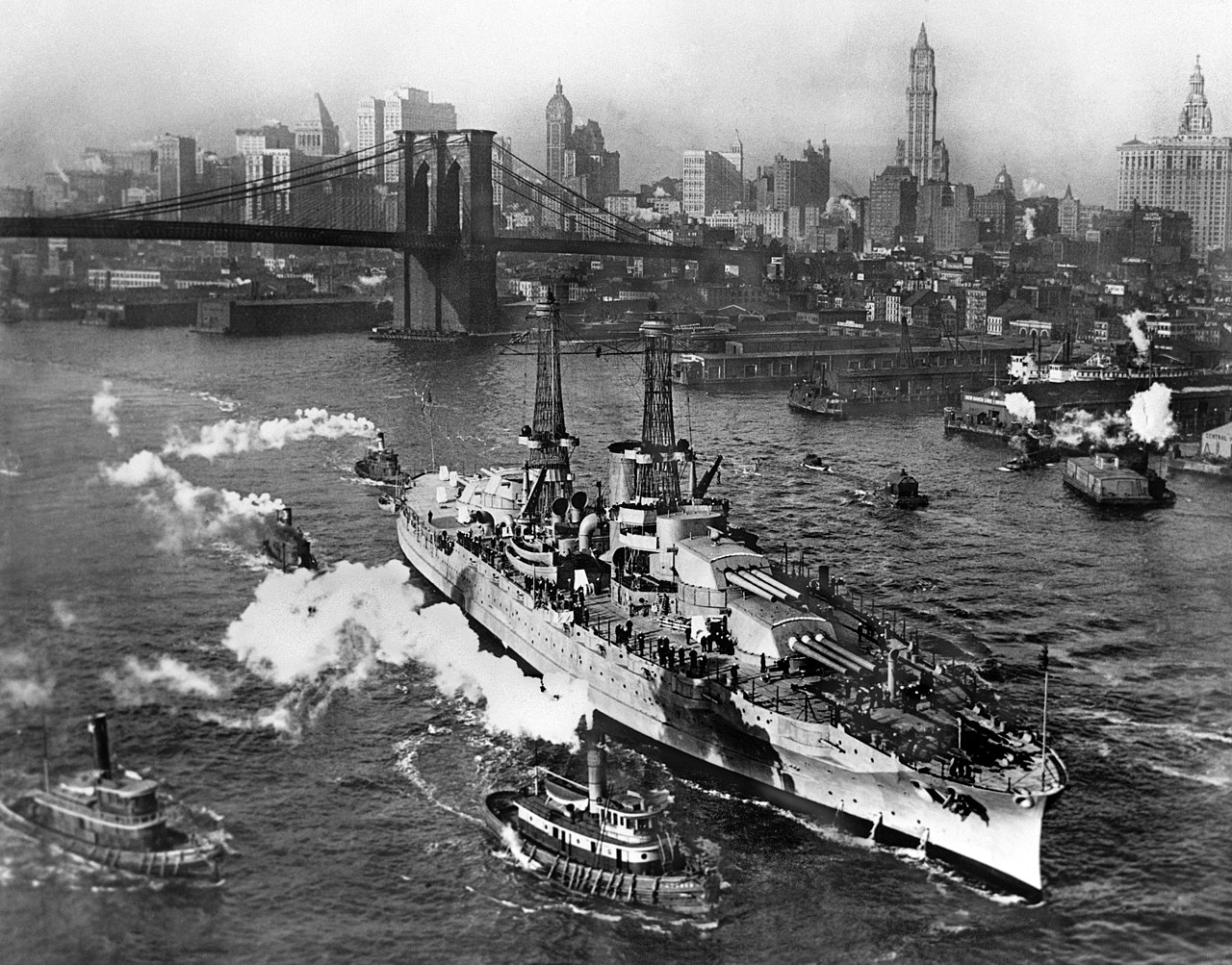
The USS Arizona (BB-39) was a Pennsylvania-class battleship built for the United States Navy. Laid down in 1913 and commissioned in 1916, she served through the First World War and remained an important capital ship in the interwar fleet. Arizona is best known for her loss during the Japanese attack on Pearl Harbor on December 7, 1941, an event that propelled the United States into World War II.
Image gallery
10 Images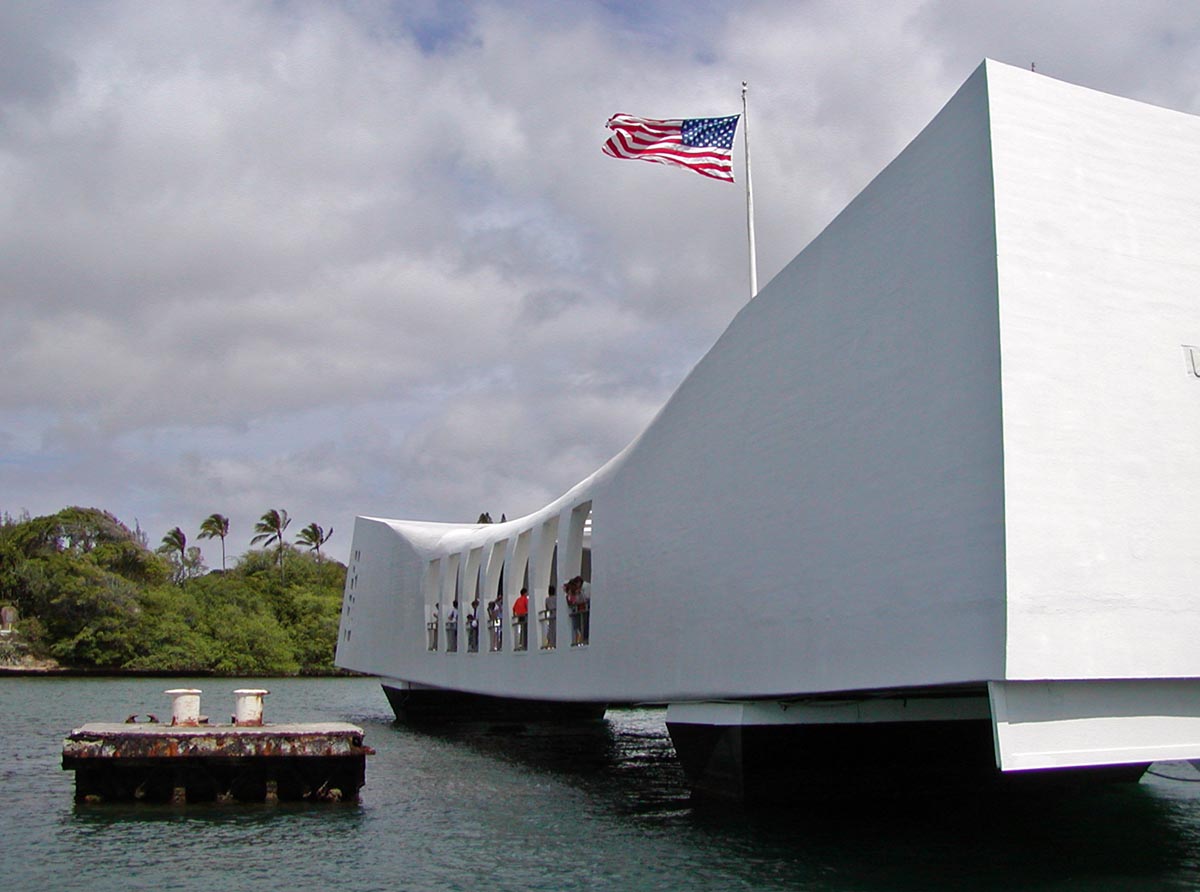





Design and features
As a dreadnought-era capital ship, Arizona combined heavy armor and large-caliber guns typical of early 20th-century battleship design. Her main battery used heavy-caliber guns and she carried secondary batteries for closer defense. Like other ships of her generation she relied on coal- and oil-fired boilers and steam turbines for propulsion. Over her career she received periodic refits and upgrades to sensors, fire control and anti-aircraft armament as naval technology advanced in the interwar years.
Service history and sinking
Arizona performed routine fleet duties and training before the Second World War. On the morning of the December 7 attack she was moored at Pearl Harbor and suffered catastrophic damage when a bomb and resulting fires detonated magazines deep within the ship. The violent explosion broke her back and caused the vessel to sink within the harbor; more than a thousand men aboard were killed, making the loss one of the deadliest for a single U.S. warship in American history.
Wreck, memorial and legacy
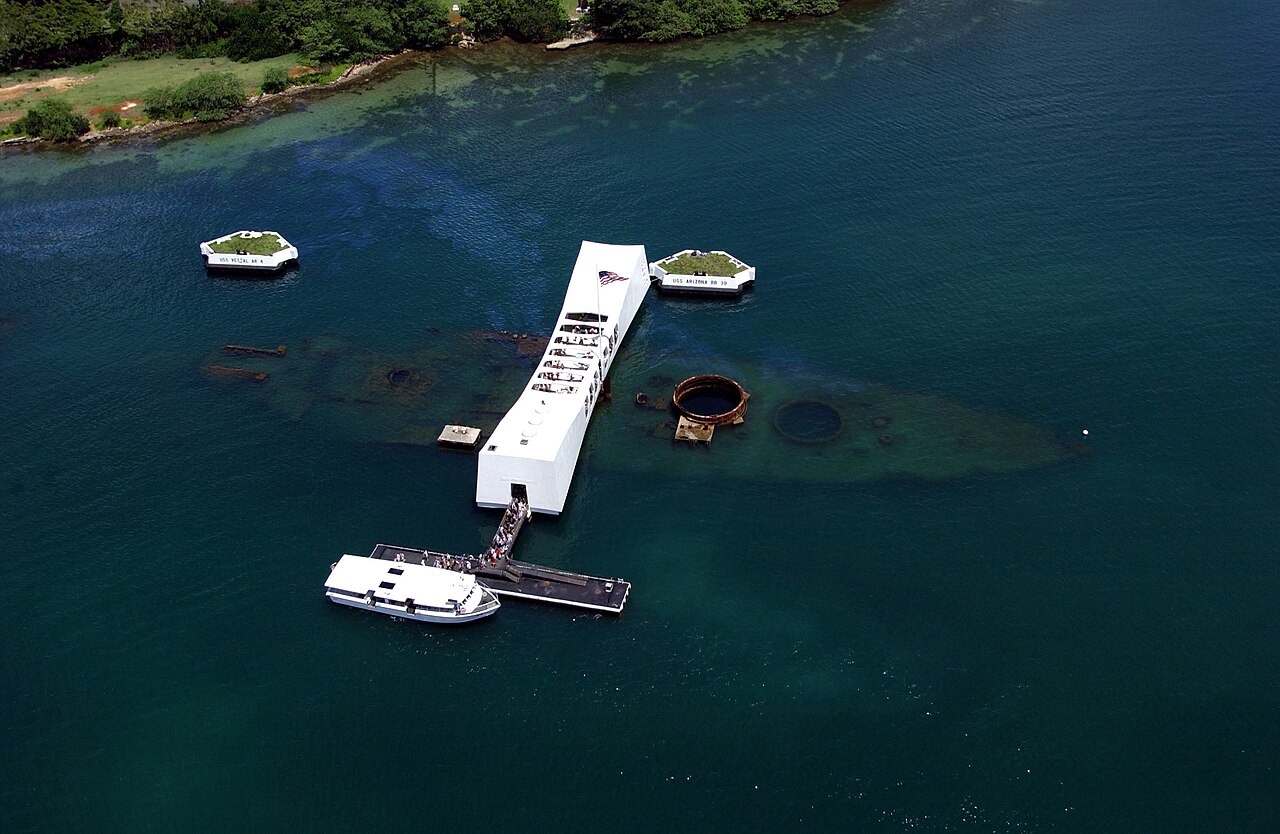
The hull of the Arizona rests on the bottom of the harbor and remains a federal burial site. A memorial structure spanning the wreck was later built to honor those who perished and to serve as a place of remembrance; it continues to draw visitors and official ceremonies. Small amounts of oil still rise from the sunken ship, a visible reminder of the event and often referred to in media coverage and commemoration.
Notable facts
- The Arizona was part of the Pennsylvania class and represented pre–World War I battleship design.
- The attack on Pearl Harbor converted peacetime loss into a national rallying point and a declaration of war that led the United States into World War II.
- The wreck is treated as both an historic site and a gravesite; access and preservation are managed to respect the dead and educate the public.
For further reading on construction, wartime service, and the memorial commemorating the ship and crew, consult resources and archival material available from naval history organizations and national memorial administrations (World War I context, memorial information, and related collections). Additional references and interpretive materials may be found through specialized naval museums and official records covering 1941 and subsequent preservation efforts (Pearl Harbor, battleship, attack).
Related articles
Author
AlegsaOnline.com USS Arizona (BB-39) Leandro Alegsa
URL: https://en.alegsaonline.com/art/103685