
USS Arizona Memorial, Pearl Harbor
A national memorial built above the sunken USS Arizona at Pearl Harbor honoring those killed in the December 7, 1941 attack and serving as a site of remembrance and history.
Overview
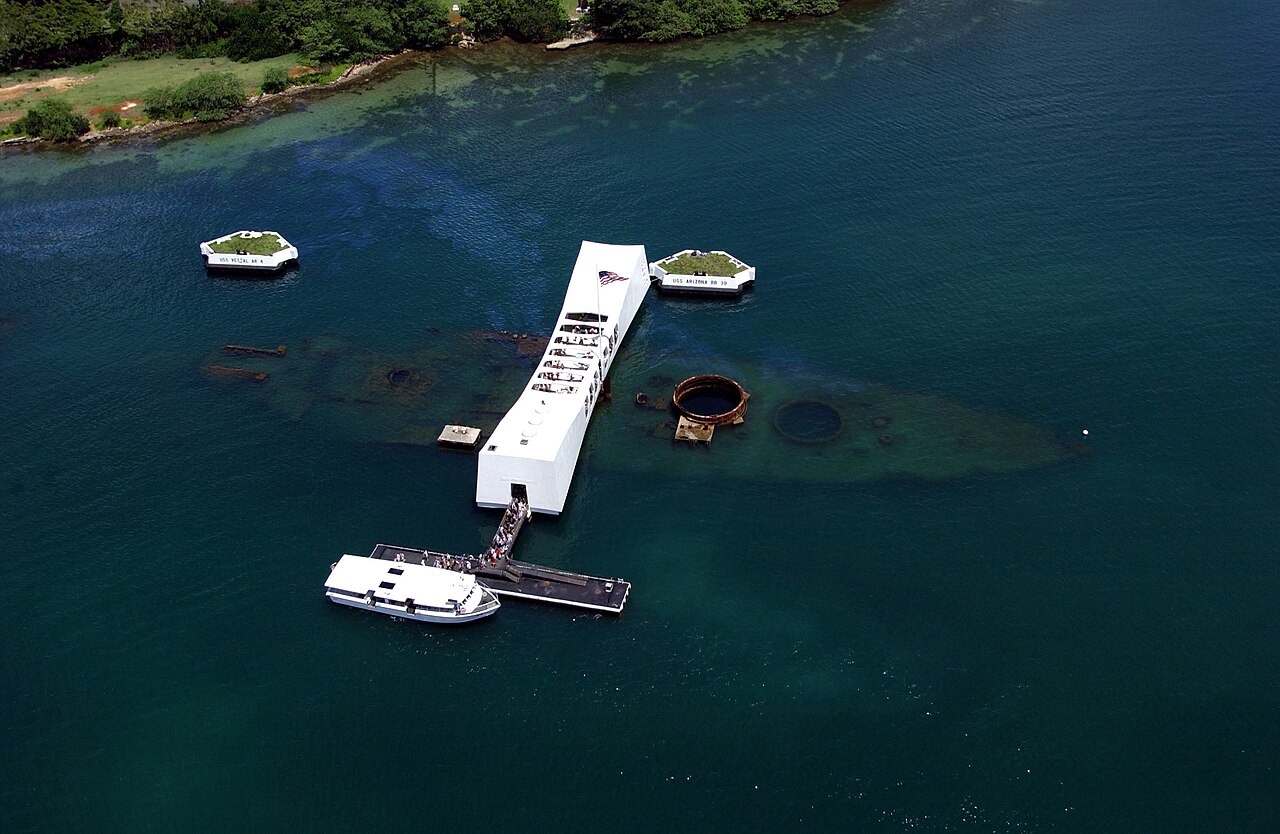
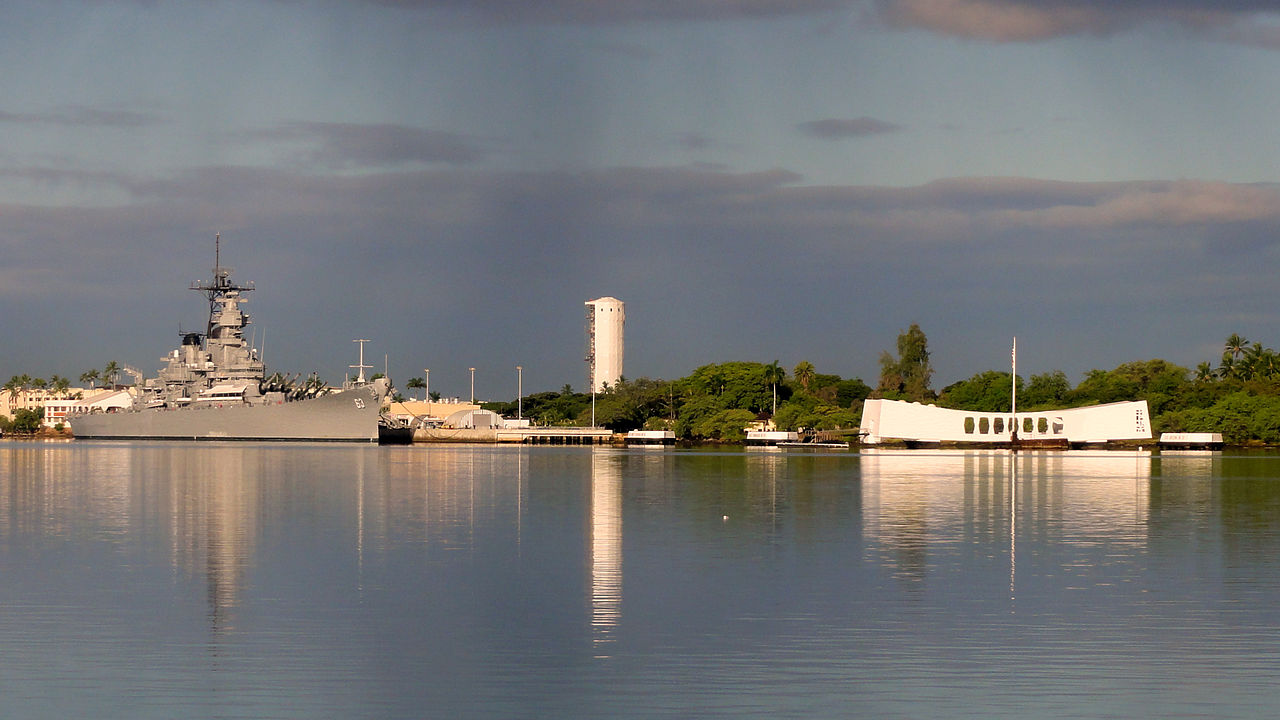
The USS Arizona Memorial marks the final resting place of many crew members who died when Japanese forces attacked Pearl Harbor on December 7, 1941. The memorial sits above the submerged hull of the battleship in Pearl Harbor, Hawaii, and is administered by the National Park Service as part of the Pearl Harbor National Memorial. It functions both as a grave and a public monument where visitors come to remember the lives lost and to learn about the events that brought the United States into World War II.
Image gallery
10 Images





Design and features
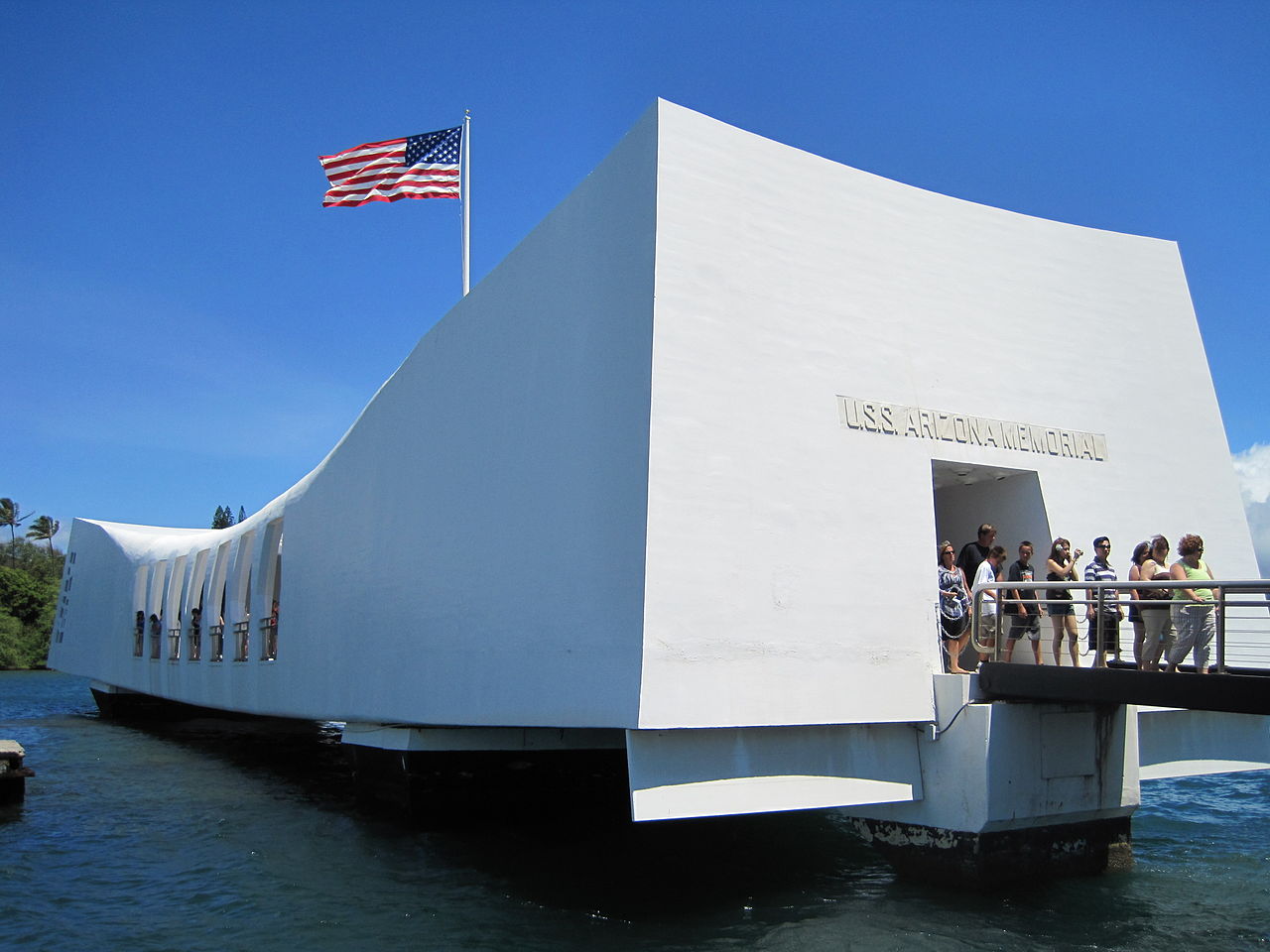
The structure spans the remains of the ship and provides a sheltered platform from which visitors can view the sunken deck and the oil that still leaks from the ship’s tanks. A central memorial room lists the names of those who perished on the Arizona; small plaques and interpretive displays explain the ship’s role and the broader attack. Boats depart from the visitor center to the memorial, and viewing areas allow close observation without disturbing the wreck.
History and significance
The memorial was created to honor the 1,177 sailors and Marines who died on the USS Arizona during the surprise assault by the Japanese. Many of the ship’s remains are entombed within the hull, and the vessel is treated as a war grave. Over time the site has become a symbol of national sacrifice and a focal point for remembrance ceremonies held on anniversaries of the attack.
Visiting and interpretation
- Access is by boat from the Pearl Harbor visitor facilities; tours typically include a film, exhibits, and the memorial landing.
- Visitors may view the wreck from the memorial platform; respectful behavior is expected because the site is a burial place.
- Educational programs and guided tours offer context about the Pacific War and the human cost of the attack.
Notable facts and distinctions
The USS Arizona Memorial is unique because it literally rests above a sunken battleship and serves simultaneously as a monument, a gravesite, and an outdoor museum. The continuous seepage of oil from the ship—sometimes called the ship’s "black tears"—is a visible reminder of the tragedy. For practical information about visiting and to arrange transportation, see the official Pearl Harbor resources and visitor information pages, including directions on how to walk or look over the ship and view interpretive materials at Pearl Harbor or online through related resources. Historical background and educational materials are also available through park services and affiliated institutions providing context.
Related articles
Author
AlegsaOnline.com USS Arizona Memorial, Pearl Harbor Leandro Alegsa
URL: https://en.alegsaonline.com/art/103686