
1941
1941 was a pivotal year in the Second World War: major campaigns, the attack on Pearl Harbor and the United States' entry altered global politics; the year also saw cultural and technological developments.
Overview
1941 (MCMXLI) was a common year beginning on Wednesday of the Gregorian calendar. It is widely remembered as a turning point in the Second World War: military operations expanded across Europe, North Africa and the Pacific, while nations accelerated war production and mobilization. Political alignments and civilian life changed rapidly as the conflict moved into a more global phase.
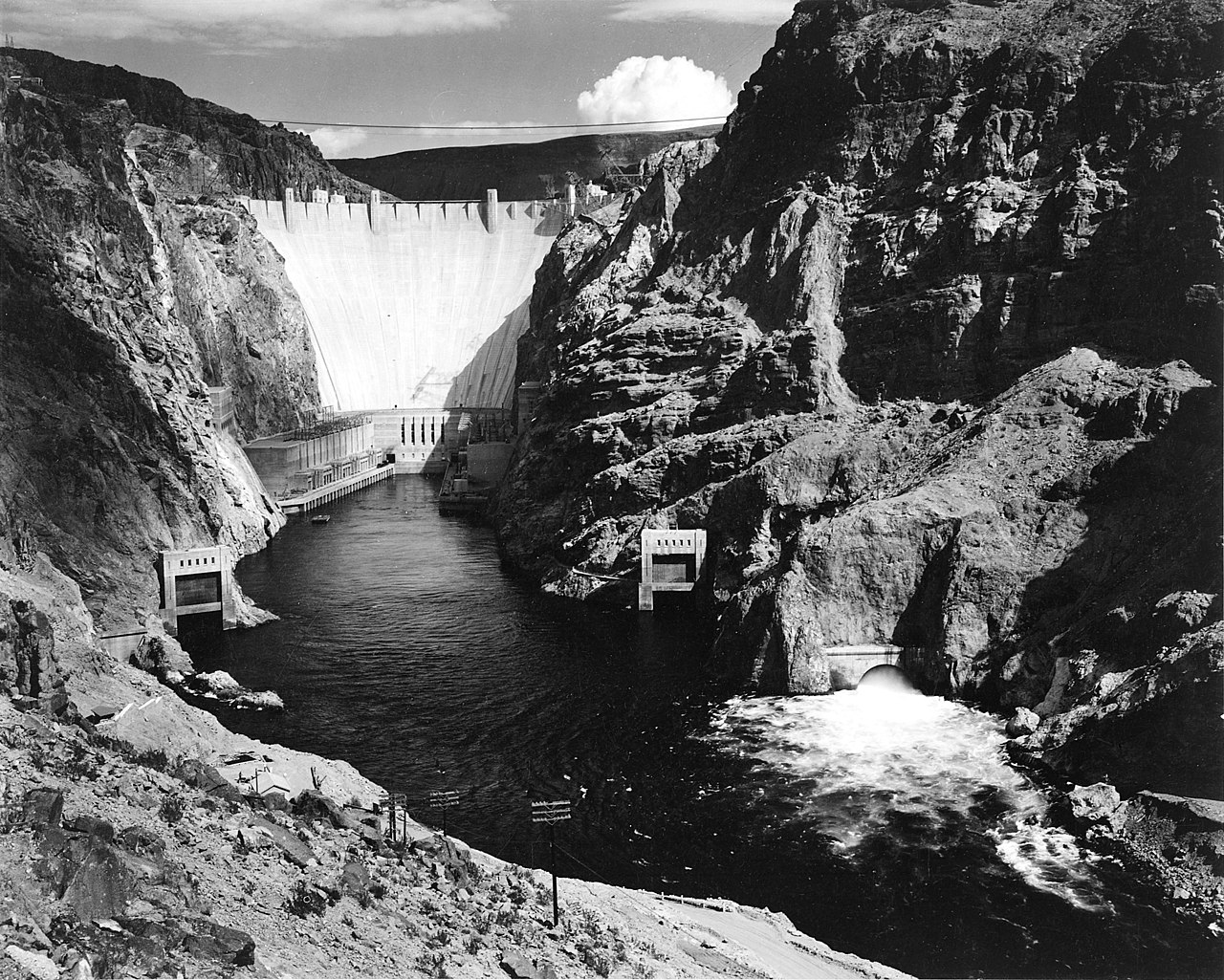
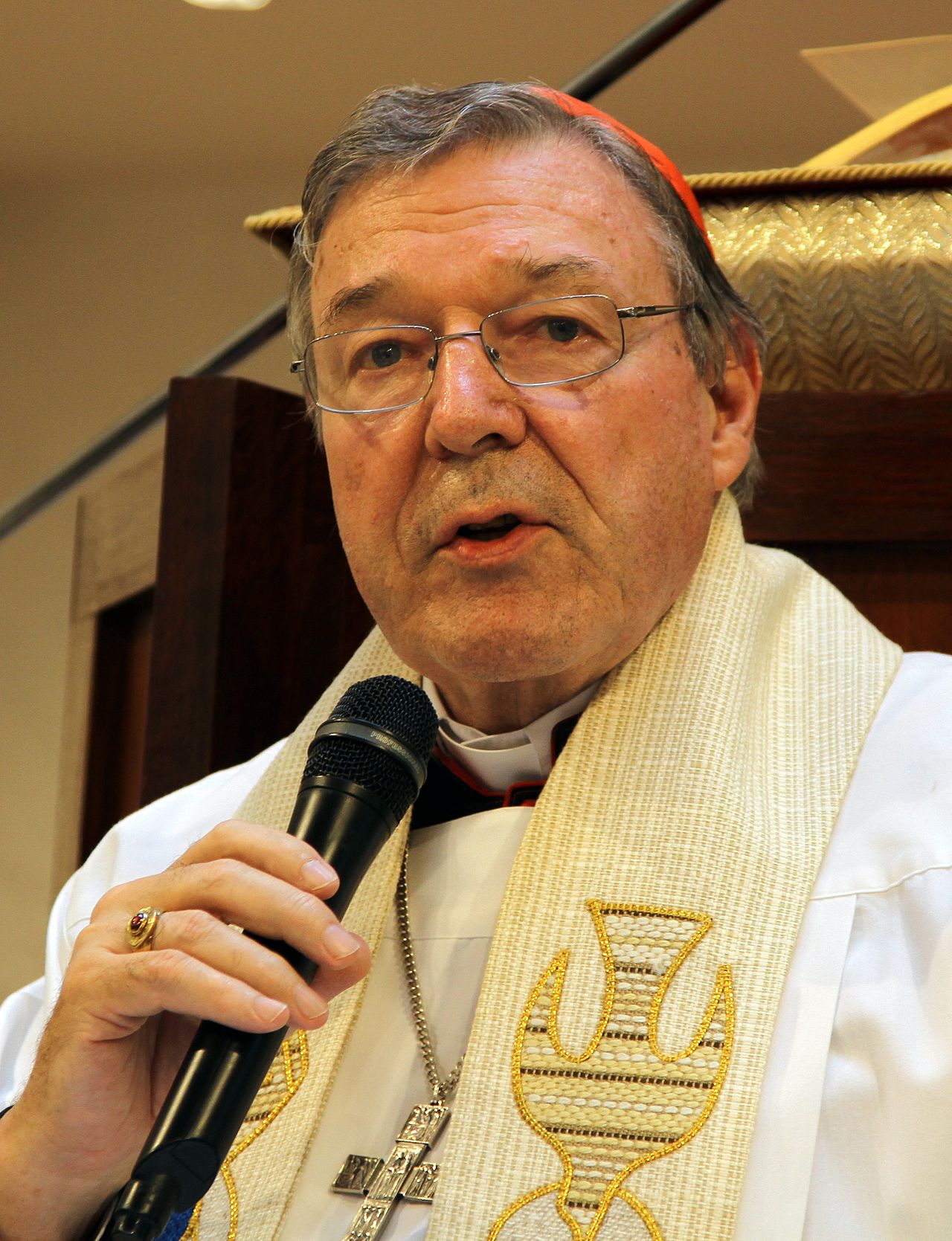
Image gallery
10 Images




Major military events
The year saw several campaigns and actions that reshaped the course of the war. Key developments included:
- German invasion of the Soviet Union—a large-scale offensive on the Eastern Front that brought the conflict to Soviet territory and led to brutal fighting and sieges. Further reading
- Attack on Pearl Harbor—a surprise assault in the Pacific that prompted the United States to declare war and enter the global conflict. Details
- Campaigns in the Mediterranean and North Africa—fighting between Axis and Allied forces continued for control of strategic routes and colonies. More on operations
- Sieges and urban battles—major cities and industrial regions became battlefields, altering both military strategy and civilian life. Context
Politics, diplomacy and home fronts
Beyond battlefield movements, 1941 featured important diplomatic and legislative actions. Allied leaders coordinated resources and strategy; programs to supply allies and mobilize economies expanded. Civilian societies adapted through rationing, workforce shifts and propaganda. Diplomatic summaries and home front accounts provide detailed perspectives on these changes.
Science, technology and culture
Even amid war, technological and cultural activity advanced. Engineers and scientists developed computing and cryptographic tools that would influence postwar technology. In cinema and the arts, notable films and works released in 1941 reflected wartime themes and the period's social moods. For technical milestones see technical notes and for cultural highlights see cultural overview.
Legacy and significance
Events of 1941 accelerated the transformation of international relations, military doctrine and economic systems. The entry of the United States into the war, the opening of vast new fronts, and widened industrial mobilization all contributed to a course that would determine the mid-century world order. For timelines and archival materials, consult timeline resources.
Questions and answers
Q: What year is 1941?
A: 1941 is the 1941st year of the Common Era (CE) and Anno Domini (AD) designations.
Q: What century does 1941 belong to?
A: 1941 belongs to the 20th century.
Q: What millennium does 1941 belong to?
A: 1941 belongs to the 2nd millennium.
Q: In which decade does 1941 fall?
A: 1941 falls in the 1940s decade.
Q: How many years are there between 1940 and 1950?
A: There are 10 years between 1940 and 1950.
Q: When did the Gregorian calendar start?
A: The Gregorian calendar started on Wednesday.
Q: How many years have passed since 2000 AD?
A: Since 2000 AD, 21 years have passed.
Related articles
Author
AlegsaOnline.com 1941 Leandro Alegsa
URL: https://en.alegsaonline.com/art/111989