
Urinal: purpose, design, history, and cultural notes
A urinal is a sanitary fixture primarily for urination, typically found in public restrooms. This article explains types, design, history, uses, maintenance and notable distinctions.
Overview

A urinal is a sanitary fixture intended chiefly for voiding urine. Most commonly installed in public or institutional restrooms, urinals are designed to offer a quick, space- and water-efficient alternative to a full toilet. In everyday language a urinal is often contrasted with a conventional toilet, and its primary function — urination — is discussed in technical and facility contexts (see urinating).
Image gallery
10 Images


Design and common types
Urinals are available in several forms. Typical categories include:
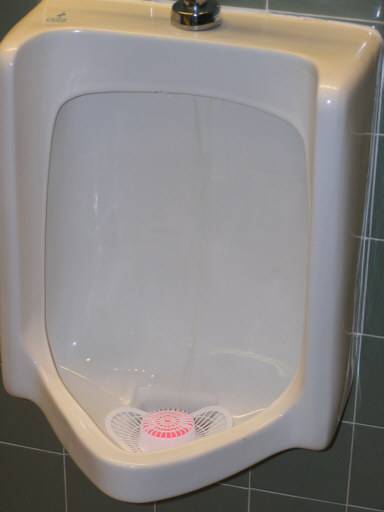
- Single-person wall-hung units: compact bowls mounted at standing height.
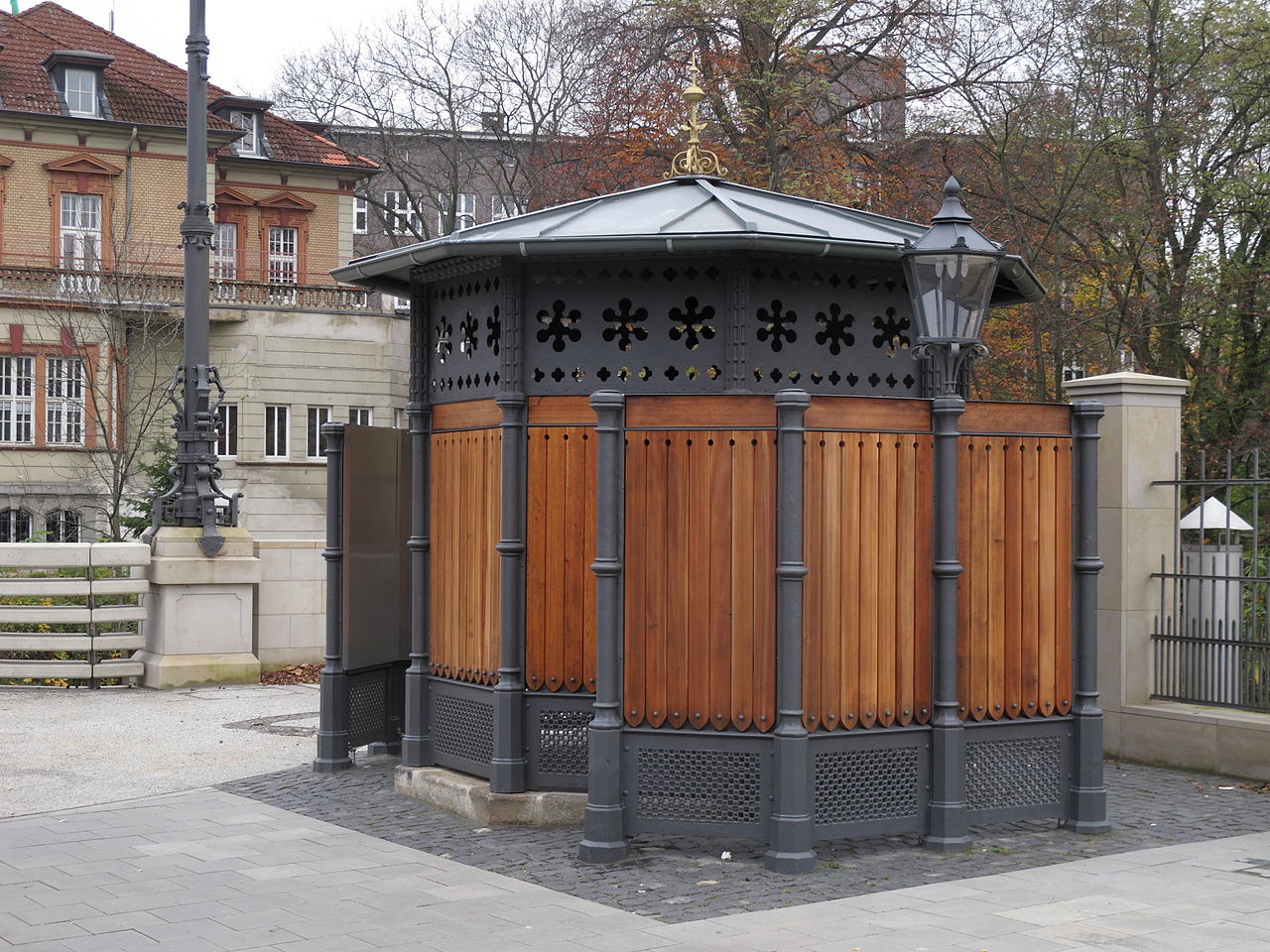
- Stall or cubicle-style units: provide privacy while preserving the urinal form factor.
- Trough or multi-user units: long stainless-steel fixtures that accommodate multiple users simultaneously; an example is a communal steel trough or channel unit often found in high-traffic venues (trough-type).
Accessories often include water-saving flush valves, sensor-operated flushers, splash guards, and odor-control blocks sometimes called urinal cakes.
History and development
Fixed urinals trace back to antiquity: communal facilities and drainage installations in Roman towns show arrangements for standing urination and wastewater collection, as at sites like Ostia Antica (Roman remains). Over centuries, designs evolved with plumbing technology, sanitation standards and changing social norms, culminating in the diverse fixtures used today.
Uses, advantages and limitations
Urinals are valued for efficiency: they reduce space needs, can lower water consumption when fitted with low-flow or waterless systems, and speed throughput in busy restrooms. Limitations include privacy concerns, limited suitability for female users historically, and potential hygiene issues if poorly maintained.
Maintenance, sanitation and environmental aspects
Routine cleaning, proper flushing or waterless cartridge replacement, and odor control are central to hygienic operation. Modern waterless urinals reduce potable water use but require periodic cartridge or trap servicing. Well-designed plumbing and ventilation mitigate odors and bacterial build-up.
Notable facts and cultural references
Urinals have also appeared in art and cultural debate. A famous example is Marcel Duchamp's readymade fountain work, which provoked discussion about objects and art (Marcel Duchamp, often cited in studies of Modern art). Contemporary conversations include gender-inclusive fixture design and the role of public sanitation in urban planning.


Related articles
Author
AlegsaOnline.com Urinal: purpose, design, history, and cultural notes Leandro Alegsa
URL: https://en.alegsaonline.com/art/103606