
Viaduct: multi-span bridge for valleys, railways and highways
A viaduct is a long bridge formed of a series of short spans used to cross valleys, wetlands, roads or rail corridors. This article explains form, history, materials and common uses.
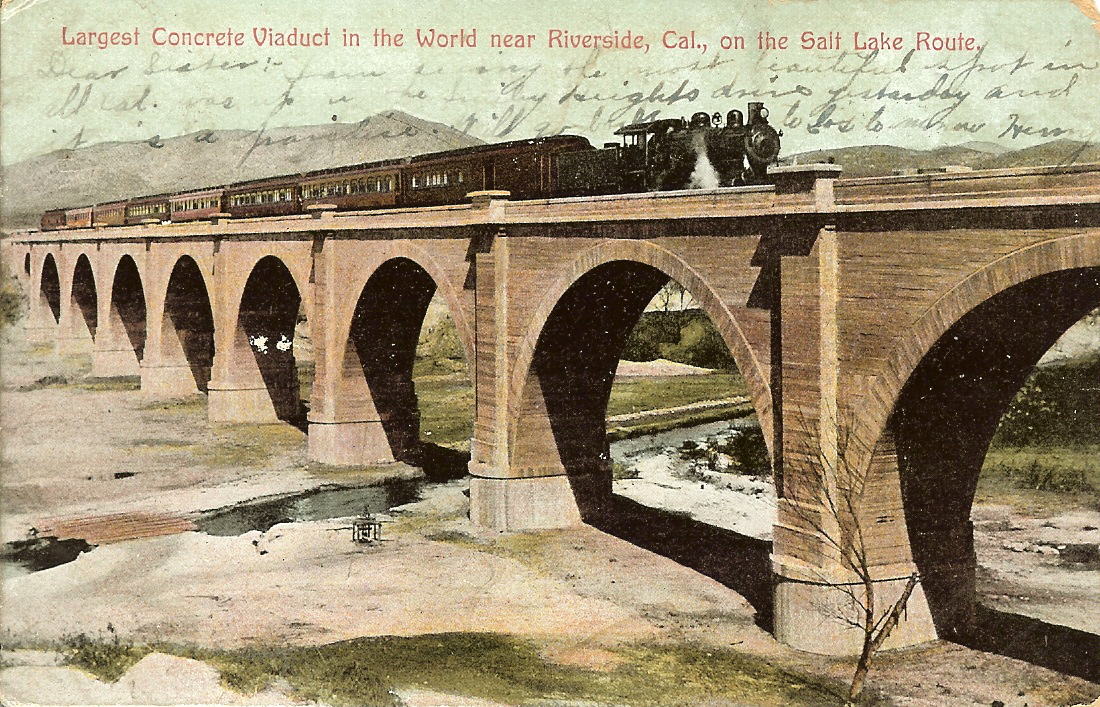
A viaduct is a type of bridge made up of several small spans supported by piers or arches. Unlike a single-span structure, a viaduct stretches across a wide obstacle such as a valley, a wetland or existing infrastructure to create a continuous elevated route. Viaducts are frequently used to carry roads and railways over low ground, or to form long elevated approaches such as an overpass or a flyover.
Image gallery
8 Images


Structure and components
At its simplest a viaduct consists of repeating spans and supporting piers. The key elements are the spans (the horizontal members that support traffic), the piers or towers (vertical supports), and the deck or carriageway on which vehicles or trains run. Spans may be constructed as beams, arches or girders and are arranged in series to bridge long distances without a single large opening.
Materials and types
Viaducts have been built with many materials and methods. Common types include:
- Stone or brick arch viaducts, typical of 18th–19th century railway construction.
- Steel-girder viaducts and trusses, common in the late 19th and early 20th centuries.
- Reinforced and prestressed concrete viaducts used in modern highway and high-speed rail projects.
- Composite and modular designs that combine materials for economy and speed of construction.
History and name
The term derives from Latin roots meaning "road" and "to lead," but it is a relatively modern word. Ancient builders such as the Romans constructed long elevated works and aqueducts; however, the specific English term "viaduct" was coined in the 19th century by analogy with the word aqueduct, an analogy that emphasized a structure for carrying a route across a depression rather than carrying water.
Uses, importance and distinctions
Viaducts remain important for carrying transport routes where ground-level alignment would be impractical. They conserve gradients for railways, cross flood-prone land, and avoid the need for long detours. Compared with ordinary bridges, the term "viaduct" usually implies multiple repeated spans and a considerable overall length rather than a single crossing span. Modern engineering balances cost, environmental impact and aesthetics when choosing viaduct forms for roads and rail networks.
Related articles
Author
AlegsaOnline.com Viaduct: multi-span bridge for valleys, railways and highways Leandro Alegsa
URL: https://en.alegsaonline.com/art/104851
Sources
- merriam-webster.com : "Definition of VIADUCT"
- dict.org : "dict.org- Viaduct"
- dict.org : "dict.org- Viaduct"
- oxforddictionaries.com : "viaduct - Definition of viaduct in English by Oxford Dictionaries"
- dictionary.reference.com : "the definition of viaduct"