
Upper Midwest (United States)
The Upper Midwest is a loosely defined U.S. region in the northern-central states. It is known for lakes, forests, prairies, agriculture, and a mixed industrial and cultural heritage.
Overview
The term Upper Midwest refers to a broadly used regional label for the northern central United States. Its boundaries are not fixed: definitions vary by context and purpose. Federal classifications often place the area inside the larger Midwest, for example the U.S. Census Bureau's Midwest region, but local usage and academic studies may restrict or expand the area depending on geography, economy, or culture.
Image gallery
9 Images


Geography and climate
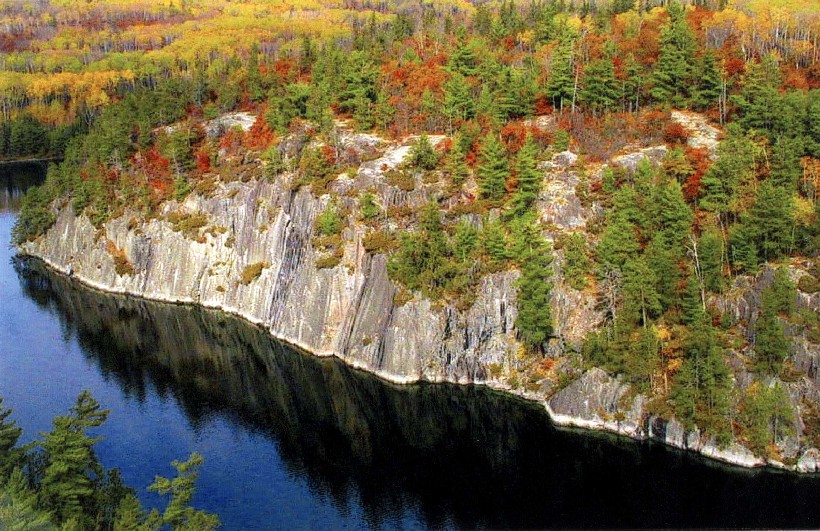
The Upper Midwest spans landscapes from forested lake country to glacial plains and rolling prairies. It includes significant parts of the Great Lakes watershed, many inland lakes, and major rivers. Winters can be long and cold with substantial snowfall in higher-elevation and lakeside zones; summers range from warm to humid, making the region agriculturally productive in its prairie sections.
Commonly included states
- Minnesota
- Wisconsin
- Michigan (especially the Upper Peninsula in many definitions)
- Illinois (northern portions in some usages)
- Indiana (occasionally included in broader concepts)
- Iowa (western and southern boundaries vary by source)
Not every map includes all of these states; lists above reflect common practice rather than a formal boundary.
History, culture and economy
The region's human history includes long indigenous presence followed by waves of European settlement, notable among them Scandinavian and German communities that shaped local languages, religion, and agriculture. Economically the Upper Midwest mixes agriculture (dairy, corn, soy, livestock), forestry, mining (notably iron ore in parts of northern ranges), and manufacturing linked to larger industrial corridors. Outdoor recreation and tourism around lakes and parks are also important.
Distinctions and notable facts
The phrase "Upper Midwest" helps distinguish this northern, often colder and lake-rich section of the central United States from the Great Plains to the west and the more urbanized industrial regions to the southeast. Because the term is flexible, writers and planners typically define it up front when using it for analysis, policy or travel guidance.
Related articles
Author
AlegsaOnline.com Upper Midwest (United States) Leandro Alegsa
URL: https://en.alegsaonline.com/art/103490