
Upper Peninsula of Michigan
The Upper Peninsula (the U.P.) is the northern peninsula of Michigan, noted for its forests, lakeshores, mining history, sparse population and distinct local culture known as Yooper culture.

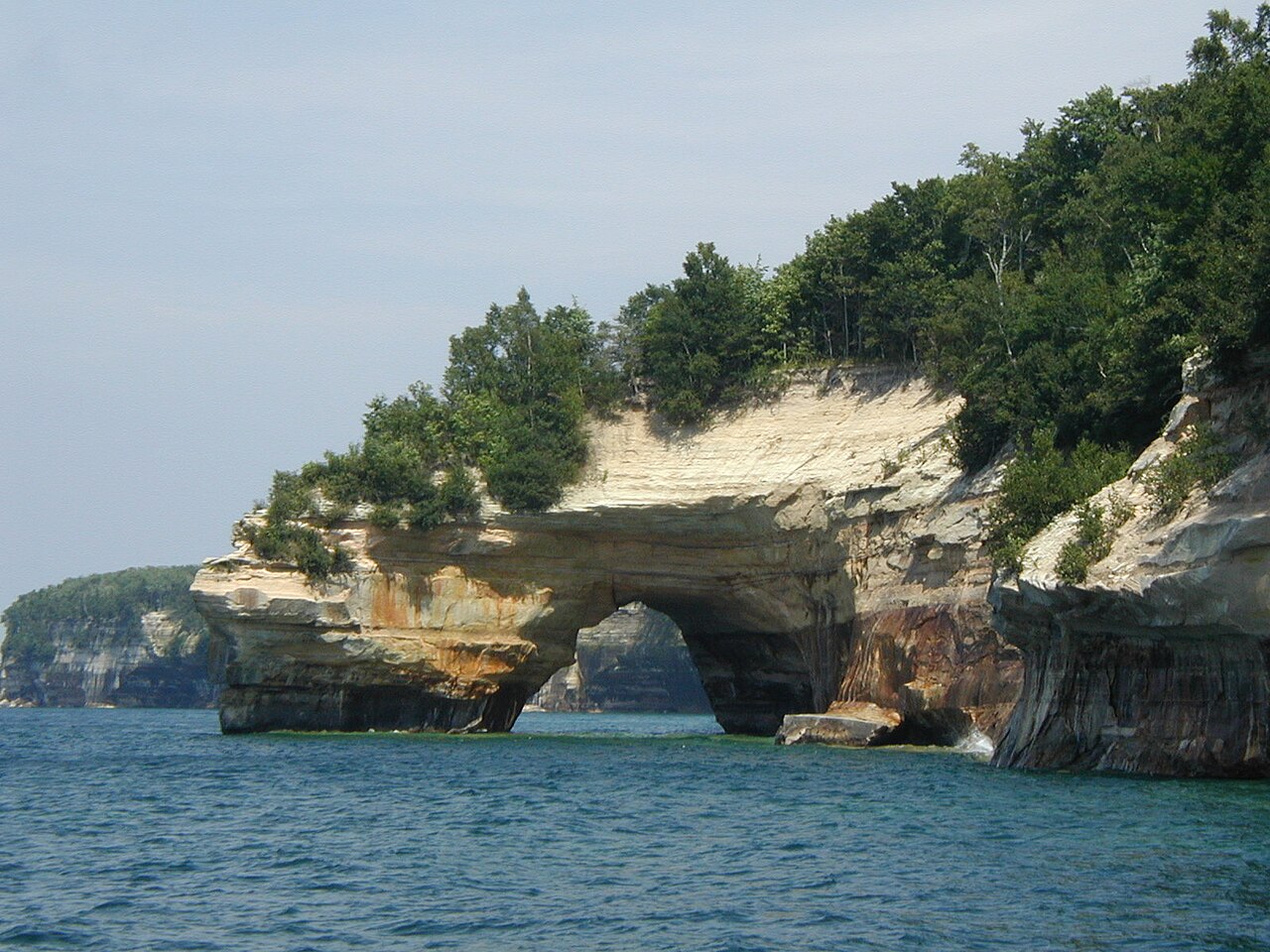
The Upper Peninsula, commonly shortened to the U.P., is the larger but less populated of Michigan's two peninsulas. It occupies the area bounded by Lake Superior to the north, the St. Marys River to the east, Lake Michigan and Lake Huron to the southeast, and the state of Wisconsin to the southwest. Politically part of the state of Michigan, the peninsula contains extensive forests, inland lakes and a rocky shoreline shaped by glacial and maritime forces.
Image gallery
10 Images


Geography and population
The U.P. covers a large fraction of Michigan's land area but is sparsely inhabited. Residents are often called "Yoopers," a local nickname derived from the initials U.P. Major population centers are modest in size and serve as regional hubs for commerce, education and transportation:
History and development
The peninsula's history includes long-standing Indigenous presence, European exploration, and resource-driven development. Native peoples, including Ojibwe and other Anishinaabe communities, used the land and waterways for generations before colonial trade expanded. In the 19th and early 20th centuries, copper and iron mining, along with logging, drew waves of workers and created towns that still reflect that industrial heritage. Remnants of mines, rail lines and company towns are part of the region's cultural landscape.
Because of its northern position and Great Lakes setting, the U.P. developed distinct economic and cultural patterns from Michigan's Lower Peninsula. Transportation links such as ferries, lake shipping and the road and bridge connection across the Straits of Mackinac shape seasonal access and commerce. The Sault Ste. Marie locks remain a key point for Great Lakes navigation and industry around Sault Ste. Marie.
Today the economy blends traditional resource sectors with tourism, education and services. Outdoor recreation—hunting, fishing, snowmobiling, skiing and paddling—draws visitors year-round. Local foods and artisanal products such as maple syrup and smoked fish are regionally prized, and community events celebrate heritage and seasonal change.
Environmentally, the U.P. includes national and state forests, extensive undeveloped shoreline and important habitat for wildlife. Conservation and sustainable tourism are frequent topics of local planning. For further introductory information about the region and its communities see links for the state and waterways: Michigan, Lake Superior, St. Marys River, Lake Michigan, Lake Huron, and neighboring Wisconsin.
Notable towns and cultural points of interest are described at local resources for Marquette, Sault Ste. Marie, Escanaba, Menominee and Houghton. Whether approached as a destination for wilderness recreation, a study area for industrial history, or a place with its own distinct identity, the Upper Peninsula occupies a unique place in the geography and culture of the Great Lakes region.
Related articles
Author
AlegsaOnline.com Upper Peninsula of Michigan Leandro Alegsa
URL: https://en.alegsaonline.com/art/103496
Sources
- hunts-upguide.com : "Specialty Foods"
- hunts-upguide.com : Hunts' Guide to Michigan's Upper Peninsula