
United States Post Office Department
Former cabinet-level U.S. postal agency (1792–1971) that organized national mail service and later became the independent United States Postal Service.
The United States Post Office Department was the federal executive department responsible for mail delivery, postal policy and related services in the United States from the late 18th century until 1971. It served as the national postal system, managed post offices across the country, and was led by the nation's Postmaster General. Its institutional role and legal framework shaped communications, commerce and government administration for generations. Its successor is the independent United States Postal Service, created to operate the postal system outside the presidential Cabinet.
Image gallery
6 Images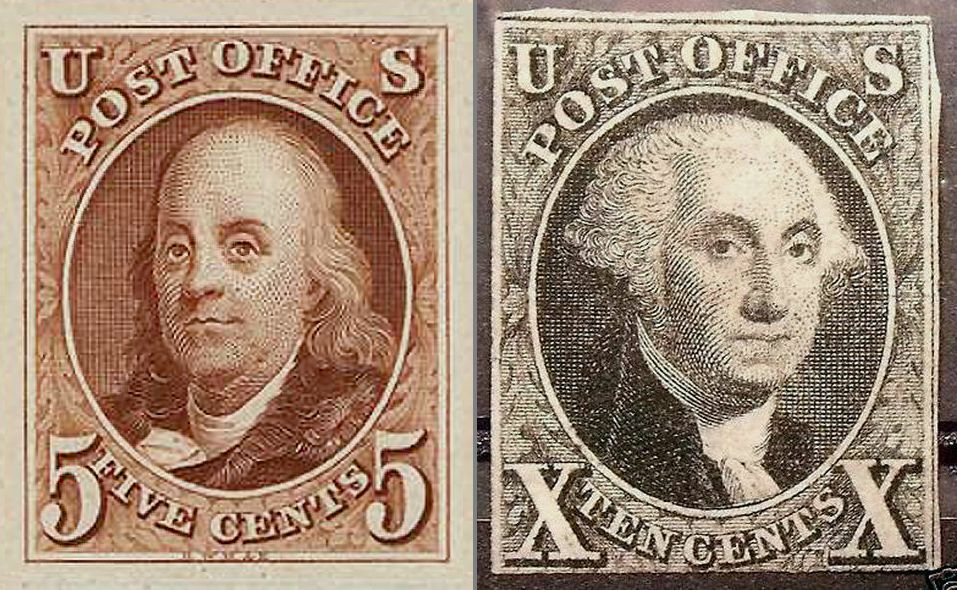


Origins and legal foundation
The department traces its origins to the Postal Service Act signed into law in 1792, which established federal responsibility for mail and defined compensation and regulations for postal operations. That statute is commonly referenced as the foundation of the national postal system; the act itself and the early offices it created remain a key part of U.S. administrative history (Postal Service Act). The law was enacted during the presidency of George Washington and set principles such as universal service and congressional oversight that influenced later postal policy.
Structure, roles and development
Under the Post Office Department, the Postmaster General headed the organization and, for much of its history, the department functioned as a Cabinet-level entity advising the President. Its internal structure included divisions for operations, finance, and mail routes; regional post offices and thousands of local postmasters implemented national directives in towns and cities. During the 19th century the department expanded services, standardized postage rates, and adapted to new technologies such as railroads and, later, air transport.
19th- and 20th-century changes
Postal administration evolved with the nation. In the Jacksonian era the department gained political prominence when President Andrew Jackson elevated its influence by including his Postmaster General in Cabinet deliberations. The Civil War disrupted service in the rebellious states; Confederate mail was organized separately by the Confederate States Post Office Department, reflecting the wartime division of authority (Civil War). After the war, the federal department resumed unified control and continued modernization into the 20th century.
Transition to an independent agency
By mid-20th century debates over efficiency, labor relations and financial autonomy led to major reform. Congress passed the Postal Reorganization Act, signed in 1970, which transformed the cabinet department into an independent establishment intended to operate more like a business while maintaining public obligations. This legislation is widely cited as the defining change that created the modern postal system; commentators often point to the Postal Reorganization Act as the legal instrument that replaced the old department.
Legacy and notable facts
- The Post Office Department established key principles such as national rates and universal delivery that persist in current postal policy.
- Its head, the Postmaster General, once held cabinet rank; today the position leads an independent agency rather than a presidential department (Postmaster General).
- During periods of national crisis and expansion the department adapted technology and logistics, from stagecoach routes to rail and air mail, influencing commerce and communication.
Understanding the Post Office Department provides context for the present-day United States postal system, its legal foundations, and the historical role of mail in American political, economic and social life. For institutional details and historical documents, consult primary sources and dedicated archives that preserve its administrative records and legislation.
Related articles
Author
AlegsaOnline.com United States Post Office Department Leandro Alegsa
URL: https://en.alegsaonline.com/art/103091
Sources
- usps.com : usps.com/cpim/ftp/pubs/pub100/pub100.htm