
Udo Ulfkotte: German journalist, author, and controversial public figure
Overview of Udo Ulfkotte (1960–2017), his career in journalism, Middle East experience, ideological shift, major writings and the controversies surrounding his later claims and politics.
Udo Konstantin Ulfkotte (20 January 1960 – 13 January 2017) was a German journalist, author and political commentator. Trained in political science, he worked for decades in journalism and is best known both for his early career as an editor at the Frankfurter Allgemeine Zeitung and for his later, highly debated books and public statements. His life combined long periods abroad, dramatic personal changes in belief and a shift from mainstream media into alternative and right-leaning publishing circles.
Image gallery
2 Images
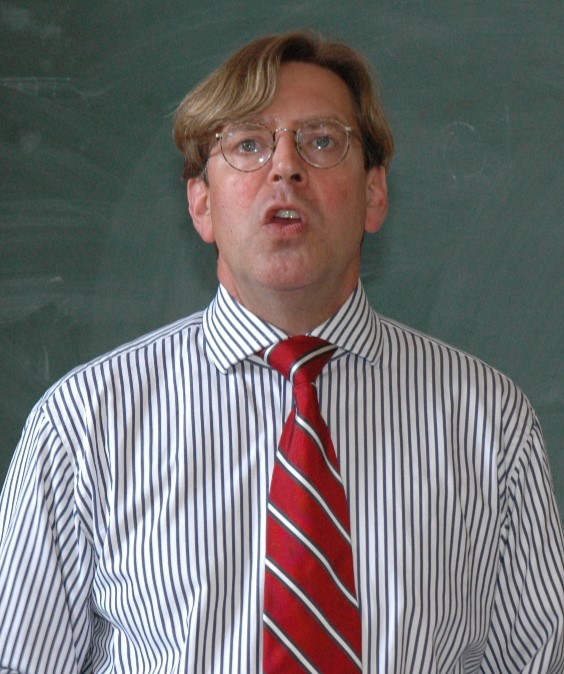
Career and background
Ulfkotte began his journalistic work in Germany and served as an assistant editor at the conservative daily Frankfurter Allgemeine Zeitung (FAZ). During the late 1980s and 1990s he spent extended time reporting from countries across the Middle East and South Asia, including postings in Iraq, Iran, Afghanistan and Egypt. His reporting background and academic training in political science informed a number of books and essays he later published.
Major themes and publications
In later years Ulfkotte published works that questioned the impartiality of Western news media and alleged undue influence by intelligence services and political actors. His most prominent book argued that parts of the journalism establishment could be influenced by external interests; that work attracted wide attention and strong criticism. He also wrote on immigration, cultural and religious topics, often expressing conservative views and a skeptical stance toward large-scale immigration policies.
Belief, politics and public reception
While living abroad Ulfkotte underwent a personal religious transformation and converted to Islam for a period before later identifying as a born-again Christian. Over time his public positions moved toward conservative and anti-immigration perspectives, and he appeared regularly in alternative media and with publishers outside the mainstream. His claims about journalistic practices and foreign influence sparked debate: some readers and commentators supported his warnings about media independence, while many journalists and academic observers criticised his methods, disputed factual assertions and challenged sweeping generalisations.
Controversy and legacy
Ulfkotte remained a polarising figure. Supporters praised him for raising questions about media transparency; critics said his publications promoted conspiracy-minded narratives and fed right-wing propaganda. His later affiliations and the tone of his commentary contributed to his reputation as a controversial public intellectual. He died of a heart attack on 13 January 2017 at age 56, and since then his work has continued to be cited both by critics of mainstream media and by commentators on the political right.
Key facts and further reading
- Born: 20 January 1960, Lippstadt, North Rhine-Westphalia.
- Worked as: journalist and assistant editor at FAZ; later author and commentator.
- Regions reported from: Middle East and South Asia, including Iraq, Iran, Afghanistan, Saudi Arabia and Egypt.
- Main controversies: allegations about media influence, later alignment with right-leaning and alternative publishers and outlets.
For brief topical links and sources, see: journalism, career profile, Frankfurter Allgemeine Zeitung, Middle East reporting, Iraq, Iran, Afghanistan, Saudi Arabia, Oman, United Arab Emirates, Egypt, Jordan, religious conversion, conservative politics, immigration debate, Lippstadt, North Rhine-Westphalia, West Germany.
Please consult reputable biographies and academic analyses for detailed sourcing and critical appraisal of Ulfkotte's claims and their reception in media studies and political discourse.
Related articles
Author
AlegsaOnline.com Udo Ulfkotte: German journalist, author, and controversial public figure Leandro Alegsa
URL: https://en.alegsaonline.com/art/102517
Sources
- commons.wikimedia.org : Udo Ulfkotte
- spiegel.de : "Udo Ulfkotte: Umstrittener Publizist und ehemaliger FAZ-Journalist ist tot"