
Ugo Gregoretti
Italian director, actor and television presenter known for satirical and documentary films and influential work in Italian public television; directed 20 films between 1956 and 1990.
Overview
Ugo Gregoretti (28 September 1930 – 5 July 2019) was an Italian film, television and stage director, actor, screenwriter, author and television host. Born in Rome, he forged a varied career that combined cinema, broadcast television and theatre. Across several decades Gregoretti became known for a wry, often satirical tone and for blending documentary techniques with fictional storytelling.
Image gallery
2 Images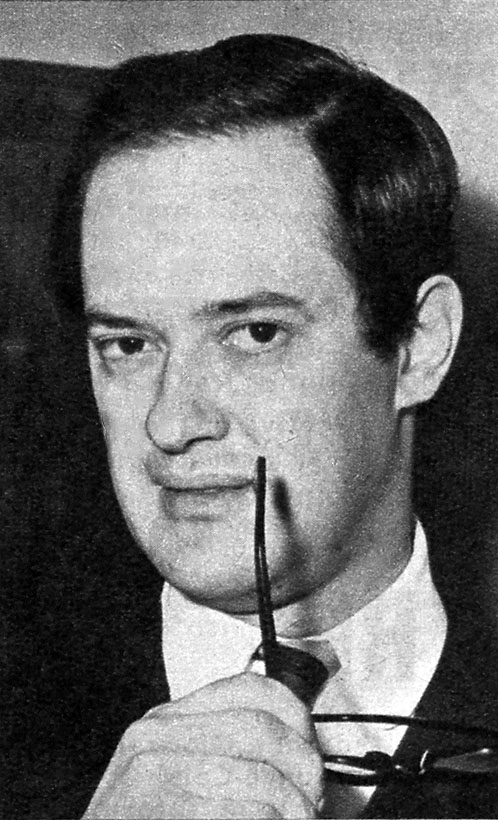

Career and artistic approach
Gregoretti began directing in the mid-1950s and is credited with directing twenty films between 1956 and 1990. His cinematic work moved between social satire, science-fiction parable and anthology cinema; he often addressed contemporary Italian society with irony and a critical eye. In both film and television he frequently mixed reportage, staged scenes and conversational interviews, a hybrid approach that reflected the growing importance of media in postwar Italy.
Television, theatre and writing
Beyond cinema, Gregoretti was active in Italian television, contributing programs for the public broadcaster and hosting cultural and variety shows. His television work helped popularize formats that combined entertainment with social commentary. He also worked in the theatre as a director and performer and published essays and pieces on film and culture, expanding his role from practitioner to public intellectual and commentator.
Selected filmography and notable works
- Omicron — a satirical science-fiction film that uses a fantastical premise to critique social and economic norms.
- Ro.Go.Pa.G. — an anthology film whose title abbreviates the surnames of its contributors; Gregoretti was one of four directors associated with this collective project.
- Beautiful Families (Le belle famiglie) — an example of his work within the Italian anthology and commedia tradition.
Legacy and importance
Gregoretti is remembered for bringing a literate, observational sensibility to mass media. His blend of satire and documentary helped shape postwar Italian television and offered an alternative to both neorealist austerity and purely commercial entertainment. Film scholars and critics cite his ability to move between formats—cinema, TV and stage—as a defining feature of his career.
For further reading on Gregoretti's film and television contributions see contemporary overviews and archival resources: overview and filmography and biographical material related to his Roman origins and career here. Gregoretti died in Rome on 5 July 2019 at the age of 88, leaving a body of work that continues to be examined for its cultural and historical insight.
Related articles
Author
AlegsaOnline.com Ugo Gregoretti Leandro Alegsa
URL: https://en.alegsaonline.com/art/102591
Sources
- repubblica.it : "È morto Ugo Gregoretti, una vita per il cinema e la tv"