
Turner syndrome: causes, features, diagnosis and management
Turner syndrome is a chromosomal condition affecting phenotypic females, caused by loss or alteration of an X chromosome. Overview of signs, genetics, diagnosis, treatment and long-term care.
Overview
Turner syndrome is a chromosomal condition that affects people who are typically identified as female. It results from the complete or partial loss of one X chromosome or structural changes to an X chromosome, producing a 45,X or mosaic karyotype in many cases. The condition alters physical development, growth and some organ systems, while intelligence is usually within the normal range.
Image gallery
7 Images



Causes and genetics
The root of the condition is a sex chromosome anomaly. In most instances a single X chromosome is missing in all or some cells. The genetic basis is commonly described simply as the loss of an X chromosome. The disorder is a genetic condition that occurs only in people with a female karyotype context; it is classically studied in human females, although the specific notation emphasizes chromosome number rather than gender identity. Some people have mosaicism (a mix of 45,X and 46,XX cell lines) or structural X abnormalities that produce a similar clinical picture.
Typical features and complications
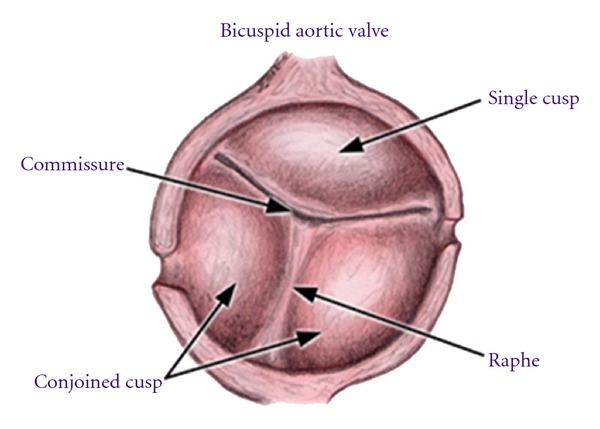
Physical traits are variable but several features are commonly noted. Affected children or girls may present with short stature, a broad chest with widely spaced nipples, a low hairline and a short, webbed neck. Heart and kidney anomalies are observed more often than in the general population. Common medical issues include heart conditions, thyroid dysfunction such as reduced thyroid hormones from the thyroid gland, and a higher risk of diabetes. Autoimmune conditions may occur more frequently, and many individuals experience infertility because of ovarian insufficiency.
Developmental profile and learning
Cognitive development is usually within the typical range, but there can be specific differences. Nonverbal learning challenges are more common than general intellectual disability: difficulties with spatial reasoning, visual-motor coordination and math-related tasks have been described. Educational support is often helpful for problems with learning difficulties, particularly tests of spatial processing and visual perception.
Diagnosis and management
Diagnosis relies on a chromosomal (karyotype) test or more sensitive genetic assays that detect mosaicism. Medical care is multidisciplinary: cardiology, endocrinology, audiology and reproductive specialists commonly participate. Short stature is frequently treated with recombinant growth hormone to improve adult height; estrogen replacement is usually started in adolescence to induce and maintain secondary sexual development and to protect bone health. Surveillance for conditions such as hearing loss, hypertension and metabolic disease is part of long-term care.
Frequency, history and outlook
Turner syndrome is one of the more recognizable sex chromosome disorders. Reported birth prevalence varies—classical estimates range from about 1 in 2,000 to 1 in 5,000 liveborn females—while many affected conceptions do not survive to term. Advances in medical care, early diagnosis and hormone therapies have improved quality of life and long-term outcomes. With appropriate medical, educational and psychosocial support, many individuals lead healthy, active lives.
Key points and distinctions
- Cause: absent or altered X chromosome (karyotype commonly 45,X).
- Major concerns: short stature, ovarian insufficiency, cardiovascular and endocrine issues.
- Management: growth hormone and sex-hormone replacement, plus routine surveillance.
- Prognosis: variable but generally good with multidisciplinary care.
For introductory material, genetics or clinical resources see genetics overview, human genetics, clinical summaries, and clinical specialty pages such as chromosome resources, paediatric care and endocrine review links chest and growth, cardiac follow-up, thyroid monitoring, thyroid clinical, metabolic monitoring, autoimmune screening, fertility counseling, growth-hormone, education supports, spatial skills help and visual perception resources.
Author
AlegsaOnline.com Turner syndrome: causes, features, diagnosis and management Leandro Alegsa
URL: https://en.alegsaonline.com/art/102130
Sources
- adc.bmj.com : adc.bmj.com/content/91/6/513