
Growth hormone (somatotropin): roles, regulation, medical uses and risks
Overview of growth hormone (GH), its production and mechanisms, physiological effects, clinical applications, diagnostic testing, and safety considerations.
Overview
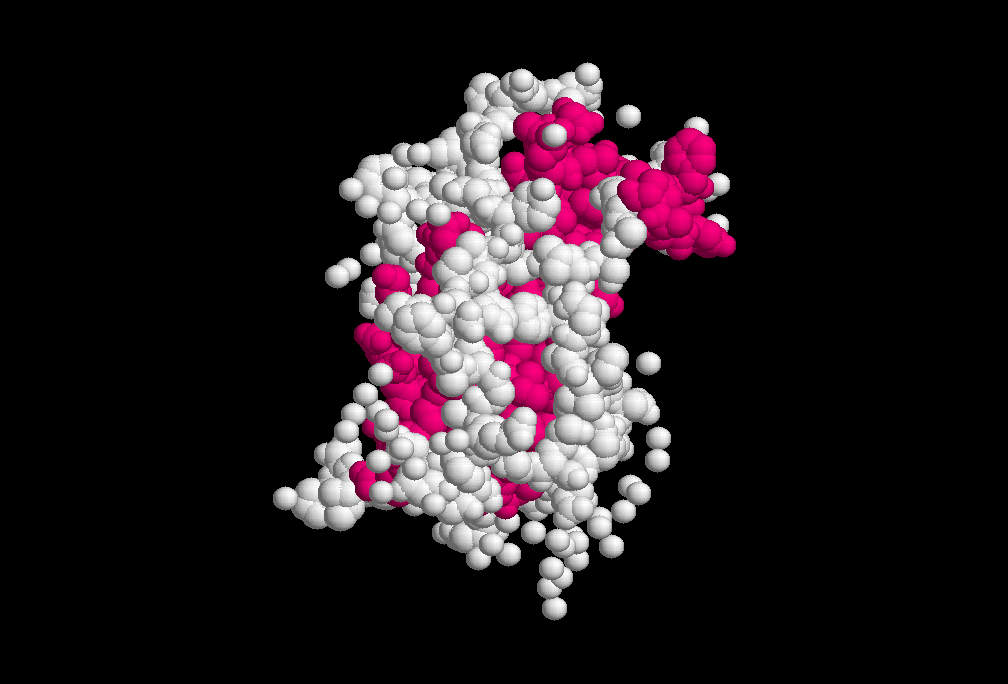
Growth hormone (GH), also called somatotropin or somatropin when recombinant, is a peptide hormone that promotes growth, cell reproduction and tissue repair in vertebrates. It acts directly on target tissues and indirectly by stimulating insulin-like growth factor 1 (IGF-1) production, chiefly in the liver. GH influences body composition, bone and muscle growth, and metabolism.
Image gallery
2 Images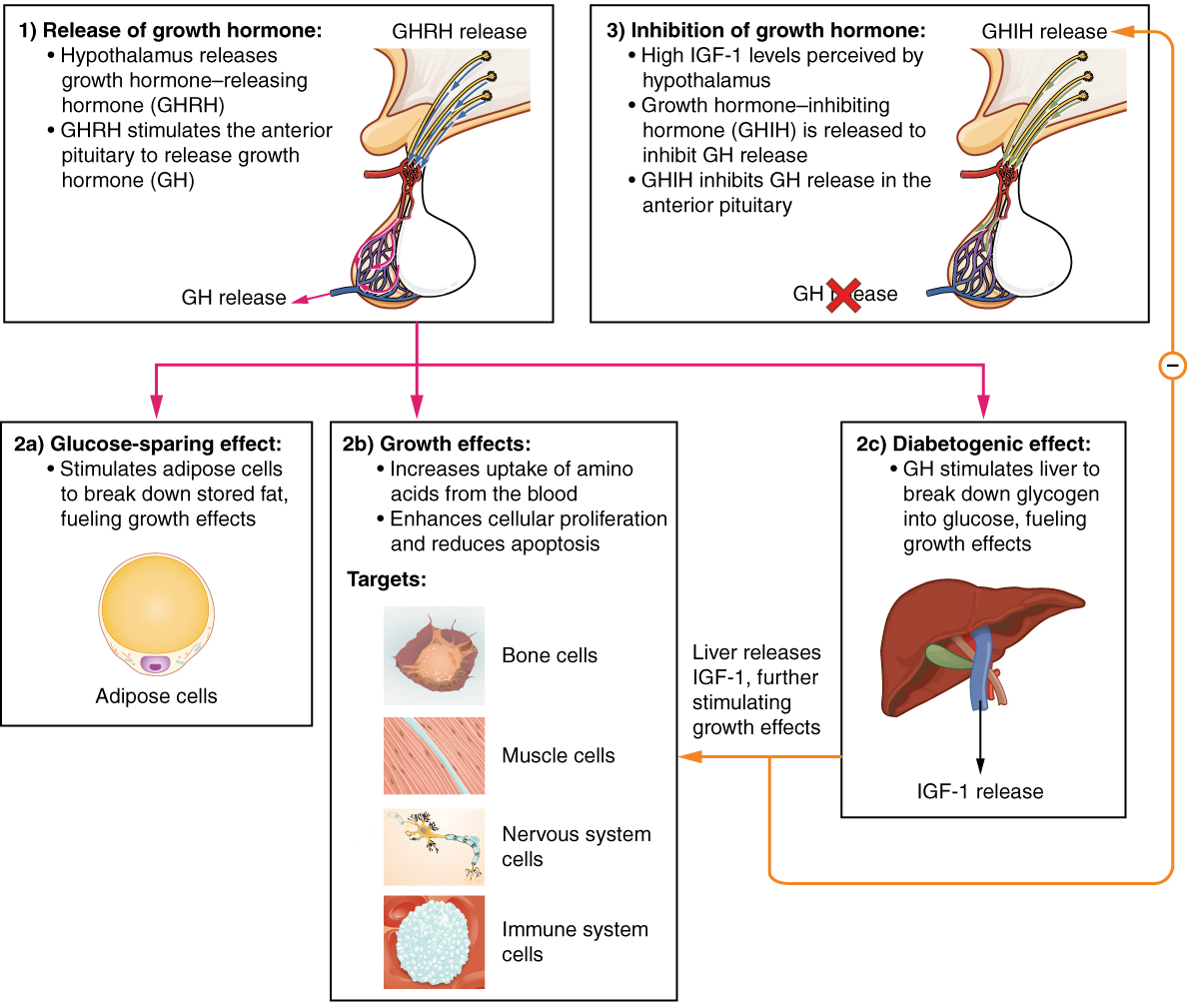
Production and regulation
GH is synthesized and secreted by somatotroph cells in the anterior pituitary. Its release is pulsatile and strongly influenced by sleep, exercise, nutrition, stress and age. Secretion is controlled by hypothalamic hormones: growth hormone–releasing hormone (stimulates release) and somatostatin (inhibits release). Ghrelin from the stomach also enhances GH secretion. GH binds to specific cell-surface receptors and triggers intracellular signaling cascades that increase protein synthesis and cell proliferation.
Physiological effects
- Promotes linear growth in children via IGF-1 and local growth factors.
- Increases muscle mass and bone mineralization.
- Alters metabolism: enhances lipolysis, conserves protein, and has complex effects on glucose homeostasis.
Clinical uses, testing and safety
Recombinant human growth hormone is approved for treating pediatric and adult GH deficiency, some genetic growth disorders, and wasting related to specific chronic illnesses. Clinicians assess GH status using IGF-1 measurements and stimulation or suppression tests because basal GH levels are highly variable. Therapeutic use requires medical supervision since GH can cause side effects such as fluid retention, joint pain, insulin resistance and, in some contexts, increased intracranial pressure. Historically, cadaver-derived GH carried a risk of transmissible disease, a problem largely eliminated after recombinant production began.
Controversies and distinctions
GH is sometimes misused for anti‑aging or athletic performance enhancement; such use is illegal in sport and may carry health risks. Important distinctions include endogenous GH versus therapeutic somatropin and the hormone's indirect mediator IGF-1, which often reflects integrated GH activity. Accurate diagnosis and appropriate indications remain essential for safe and effective treatment.
Related articles
Author
AlegsaOnline.com Growth hormone (somatotropin): roles, regulation, medical uses and risks Leandro Alegsa
URL: https://en.alegsaonline.com/art/41075
Sources
- doi.org : 10.1038/nbt0792-812a
- growingtaller4idiotsreview.com : Grow Taller 4 Idiots