
X chromosome — the mammalian sex chromosome and its biological roles
The X chromosome is one of the two sex chromosomes in mammals. It determines biological sex, carries many genes beyond sex traits, and plays roles in inheritance, development, and disease.
The X chromosome is one of the primary sex chromosomes found in mammals and many other animals. It works together with the Y chromosome to influence biological sex and carries genes important for growth, development and physiology. In humans and most mammals an individual with two X chromosomes typically develops as female while an individual with one X and one Y develops as male; this system of sex determination relies on the different combinations of sex chromosomes. The relationship between chromosomal sex and social or personal gender identity is complex and distinct from strictly genetic definitions of sex (gender).
Image gallery
4 Images


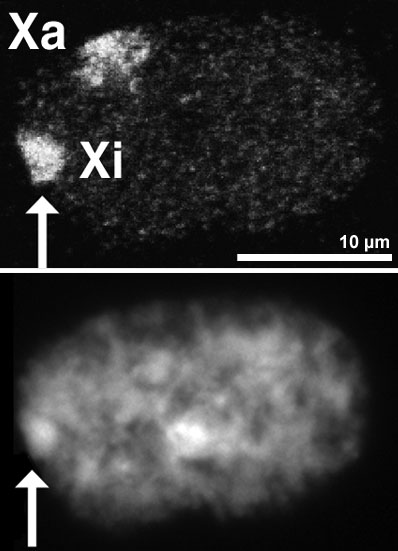
Structure and genetic content
The X chromosome is relatively large compared with the Y and contains many genes not directly related to sex. It includes regions shared with the Y chromosome (called pseudoautosomal regions) that pair during meiosis, plus X-specific regions that have unique gene content. Some X-linked genes are crucial for brain development, immune function and other systems, which is why changes to the X can have broad physiological effects.
Dosage compensation and X-inactivation
Because females carry two X chromosomes while males carry one, most mammals use a process called X-inactivation to equalize gene expression between sexes. During early embryonic development one X chromosome in each cell becomes largely silent; the choice of which X is inactivated is often random and can create cellular mosaicism in tissues. This mosaic expression explains visible patterns such as the coat coloration in some female cats and other mammals. For a common example, the patchwork fur of calico cats is a direct consequence of this X-inactivation process.
Inheritance patterns and examples
- Inheritance of X-linked traits follows distinct patterns: males express X-linked recessive traits when they inherit a single affected X, while females usually require two affected copies to show the same trait.
- Classic examples of X-linked conditions include some forms of color vision deficiency, clotting disorders historically called hemophilias, and certain developmental syndromes.
- Reproductive cells contribute X chromosomes in predictable ways: eggs normally carry a single X chromosome and sperm may carry either an X or a Y, which together determine the chromosomal sex of offspring (egg, sperm).
Evolutionary context and species differences
The pattern of sex chromosomes differs across the animal kingdom. In mammals the typical system is XY, but other groups use different systems (for example birds use ZW). The X and Y chromosomes evolved from a pair of ordinary autosomes and have undergone changes in size, gene content and recombination patterns over evolutionary time. Studies across mammals reveal both conserved and lineage-specific X-linked genes.
Clinical relevance and research directions
Because the X chromosome carries many medically relevant genes, it is a focus of genetic testing, carrier screening and research into inherited disorders. Variations in X number (aneuploidies) or in specific X-linked genes can lead to recognizable clinical syndromes and are investigated in genetic counseling. Ongoing research explores how X-linked gene regulation affects development, sex differences in disease, and potential therapeutic approaches.
Overall, the X chromosome is more than a determinant of sex: it is a complex, gene-rich chromosome whose regulation and inheritance influence many aspects of biology, health and evolution.
Questions and answers
Q: What is the X chromosome?
A: The X chromosome is one of the two sex chromosomes in mammals that determines the sex of an individual.
Q: What other sex chromosome is there besides the X chromosome?
A: The other sex chromosome is the Y chromosome.
Q: How many X chromosomes do females have?
A: Females have two X chromosomes.
Q: How many X chromosomes do males have?
A: Males have one X and one Y chromosome.
Q: What does an egg carry?
A: An egg always carries a single X chromosome.
Q: What do sperms carry?
A: Sperms carry either an X or a Y chromosome.
Q: What is X-inactivation?
A: X-inactivation is a process that occurs during early development where one of the X chromosomes in each cell randomly deactivates, which causes different parts of the body to express different X-linked genes.
Author
AlegsaOnline.com X chromosome — the mammalian sex chromosome and its biological roles Leandro Alegsa
URL: https://en.alegsaonline.com/art/109404