
Autoimmune disease
Autoimmune disease occurs when the immune system mistakenly attacks the body's own tissues. This article explains causes, common types, diagnosis, treatment approaches, and how these disorders differ from other immune problems.
Overview
An autoimmune disease arises when the body's defenses that normally protect against infection begin to target the body's own cells and organs. The condition reflects a breakdown in immune tolerance: cells or proteins of the immune system fail to distinguish self from non‑self and so cause inflammation, tissue damage or functional loss. The immune network involved can include antibodies, specialised white blood cells and inflammatory signalling pathways. For background on immune function see the immune system, and for a basic contrast to infectious threats see bacteria.
Image gallery
3 Images
Causes and mechanisms
Autoimmune disorders typically result from a combination of genetic susceptibility and environmental triggers. Known mechanisms include the production of autoantibodies, autoreactive T cells, failure of regulatory cells that normally restrain immune responses, and molecular mimicry in which a foreign antigen resembles a self component. Environmental contributors can include infections, certain medications, hormonal influences and sometimes physical or chemical exposures.
- Autoantibodies: proteins that bind the body's own structures and mark them for attack.
- Cellular autoimmunity: T cells that directly damage tissue or help B cells produce autoantibodies.
- Loss of tolerance: defects in immune regulation that normally prevent self‑reactivity.
Diagnosis and treatment
Diagnosis combines clinical assessment with laboratory testing. Common tests seek specific autoantibodies, measure inflammation, or assess organ function. Imaging and biopsy are used where needed. Treatment aims to reduce immune activity and control symptoms: general immunosuppressive drugs, corticosteroids, disease‑modifying agents and targeted biological therapies that block particular immune pathways. Supportive care—pain management, rehabilitation, replacement therapies (for example insulin in type 1 diabetes)—is important for preserving function.
- Symptom control: pain relief, physical therapy, organ‑specific support.
- Immunomodulation: steroids, conventional immunosuppressants, biologics.
- Preventive measures: vaccination guidance, infection monitoring while immunosuppressed.
Examples and impact
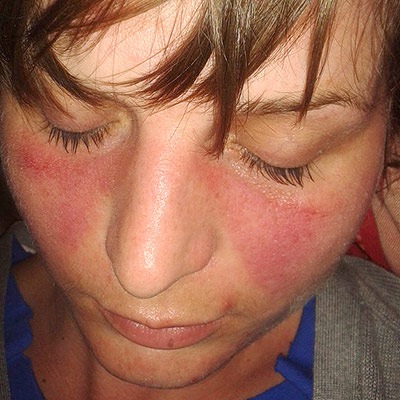
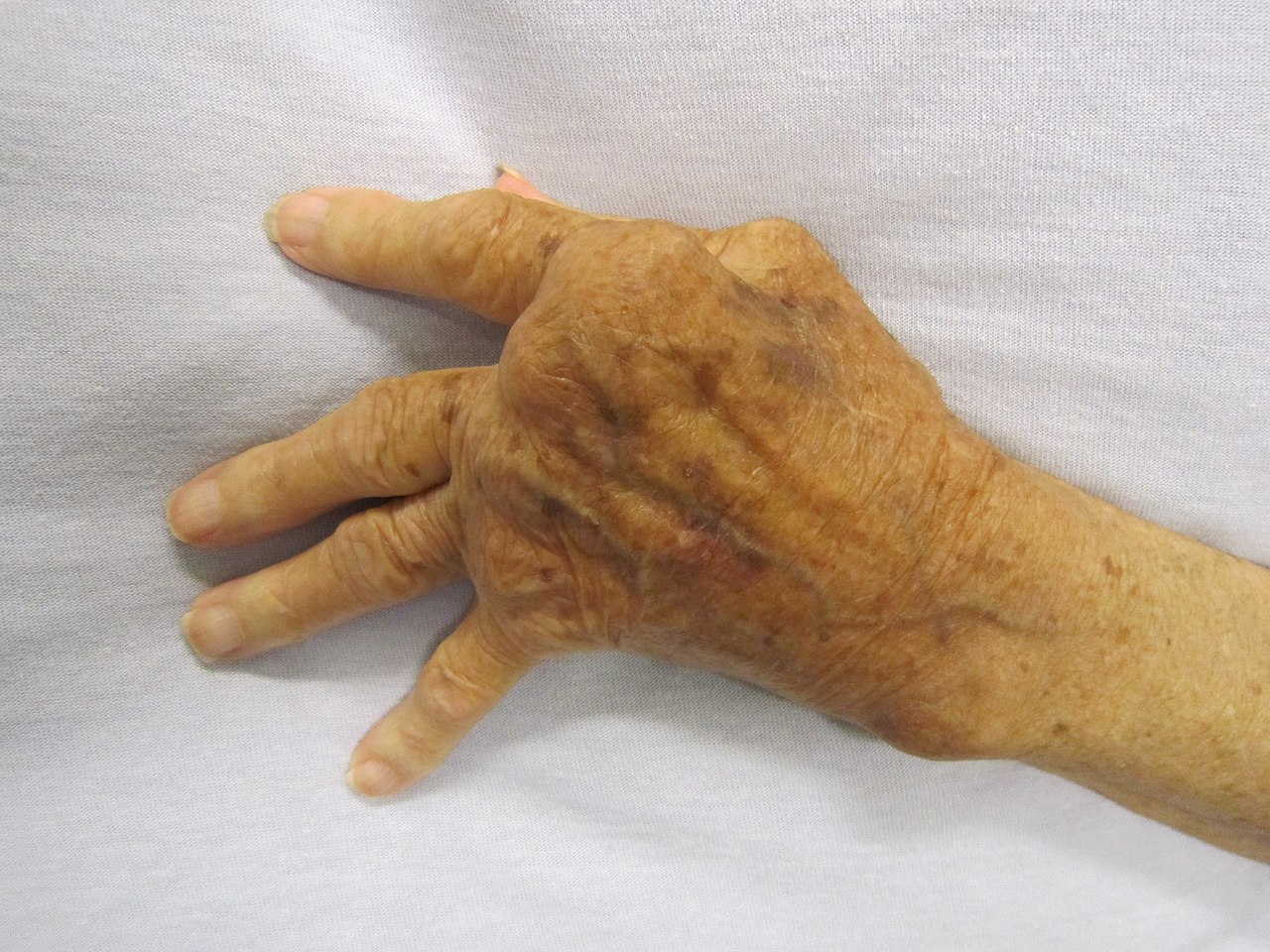
Autoimmune diseases can be organ‑specific, affecting a single tissue, or systemic, involving multiple organs. Examples include type 1 diabetes (pancreas), autoimmune thyroid diseases such as Hashimoto's and Graves' (thyroid), rheumatoid arthritis (joints), systemic lupus erythematosus (multiple organs), multiple sclerosis (central nervous system), celiac disease (intestinal lining) and psoriasis (skin). These conditions vary widely in severity, progression and treatment response, and they are a significant cause of chronic illness and disability worldwide.
Distinctions and notable facts
Autoimmune diseases are distinct from immunodeficiency (where the immune response is too weak) and from allergic disorders (in which the immune system reacts excessively to harmless external substances). They are also distinct from autoinflammatory diseases, which involve innate immune pathways rather than adaptive autoantibodies or T cells. Research continues into genetic risk factors, triggers and more selective therapies aimed at restoring immune tolerance without broadly suppressing defenses.
Related articles
Author
AlegsaOnline.com Autoimmune disease Leandro Alegsa
URL: https://en.alegsaonline.com/art/7606