
Tudor architecture
English building style (c.1485–1603) known for half-timbering, steep roofs, tall chimneys and brickwork; combines late medieval Gothic and early Renaissance influences.
Overview
Tudor architecture refers to the building traditions and stylistic features associated with England during the Tudor period (roughly 1485–1603). The term covers a range of domestic and civic buildings that blend medieval Gothic forms with emerging Renaissance details. For an introduction to the term itself see Tudor architectural style, and for the historical context see the Tudor period and its setting in England.
Image gallery
10 Images
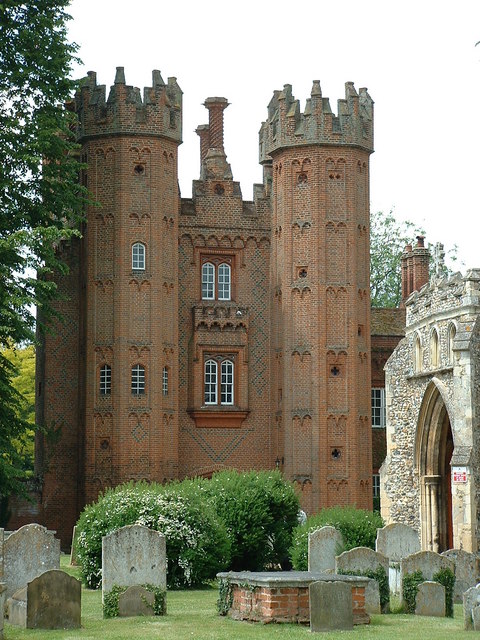


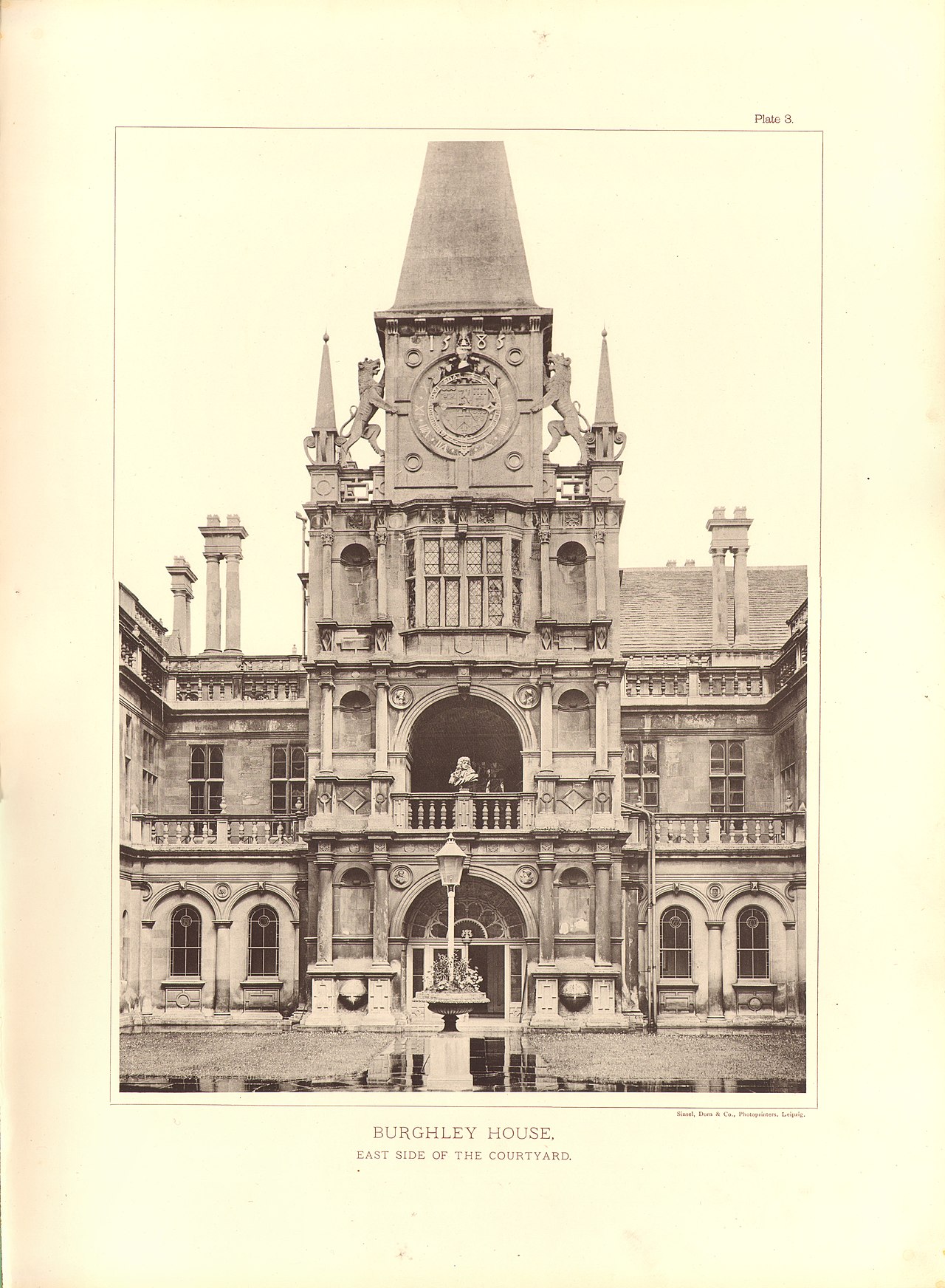


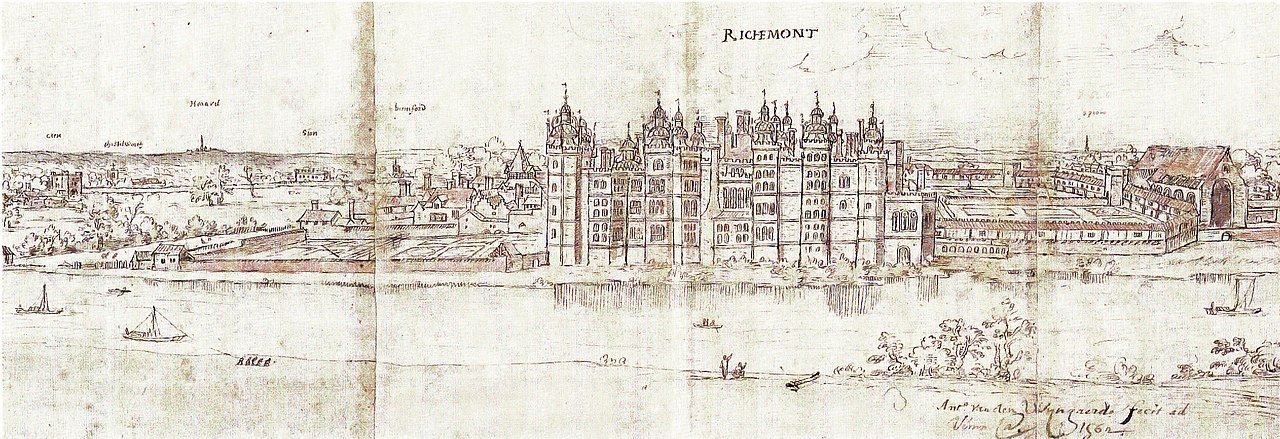

Typical characteristics
Many surviving Tudor buildings display distinctive elements: exposed timber framing with infill panels, jettied upper floors that project over the street, steeply pitched roofs, tall clustered or decorated chimneys, and narrow leaded or mullioned windows. Brick became more common later in the period, often arranged in decorative patterns. Interior features in grander houses include ornate plasterwork, carved wood panelling and long galleries.
Materials and construction
Regional availability influenced construction. Traditional half-timbering used oak frames with wattle-and-daub or plaster panels. In stone-rich areas masonry appears alongside timber. Later Tudor and Elizabethan buildings increasingly employed fired brick and more extensive roofing with slate or tile. A well-preserved local example is Tudor House, Chester, constructed in sandstone, brick and timber framing with plaster panels and roofed in slate.
History and development
The style evolved from late medieval timber and stone building practices. As England grew wealthier and influences from continental Europe arrived, decorative brickwork, more regular fenestration and Renaissance detailing were introduced. The result is an architectural language that ranges from modest vernacular cottages to substantial manor houses and royal palaces that show increasing formality and ornamentation.
Uses, examples and legacy
Tudor forms are most familiar in domestic architecture: cottages, inns, townhouses and manor houses. Surviving examples are often protected as historic buildings; some, like the Chester example above, appear on registers such as the National Heritage List for England. The aesthetic has also been revived in later centuries in the so-called Tudor Revival or mock-Tudor movement.
Key points and distinctions
- Tudor architecture is not a single uniform style but a set of practices spanning rural and urban buildings.
- Early Tudor buildings lean more on medieval carpentry and Gothic detail; later examples incorporate brick and Renaissance motifs.
- Conservation focuses on authentic materials and techniques to retain structural and visual character.
For further reading and visual references see introductory resources on the Tudor architectural style and regional surveys of historic buildings in England. More specific entries and site records can be consulted through local registers and heritage listings such as the national list.
Related articles
Author
AlegsaOnline.com Tudor architecture Leandro Alegsa
URL: https://en.alegsaonline.com/art/101949