
U.S. Bank Tower (Los Angeles)
A landmark downtown Los Angeles skyscraper completed in 1989, rising 310 m with 73 floors. Known for its distinctive crown, observation deck and role as a major West Coast landmark.
Overview
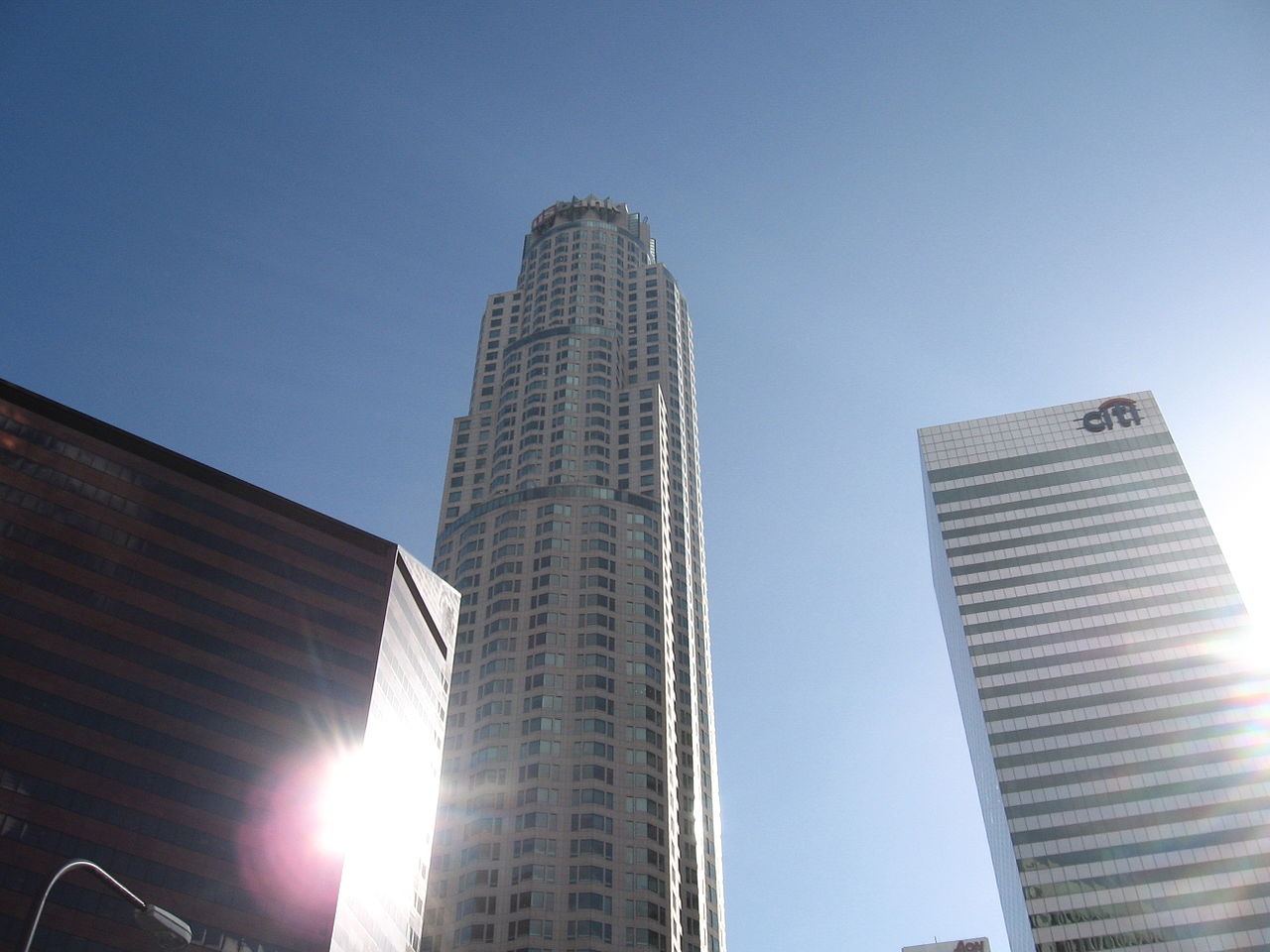
The U.S. Bank Tower is a prominent skyscraper in downtown Los Angeles, California. Rising to approximately 310 meters (1,018 feet) and encompassing 73 floors, it dominates much of the city's skyline. Completed in 1989, the tower has served primarily as office space and as a visible landmark for Los Angeles and the wider Southern California region.
Image gallery
10 Images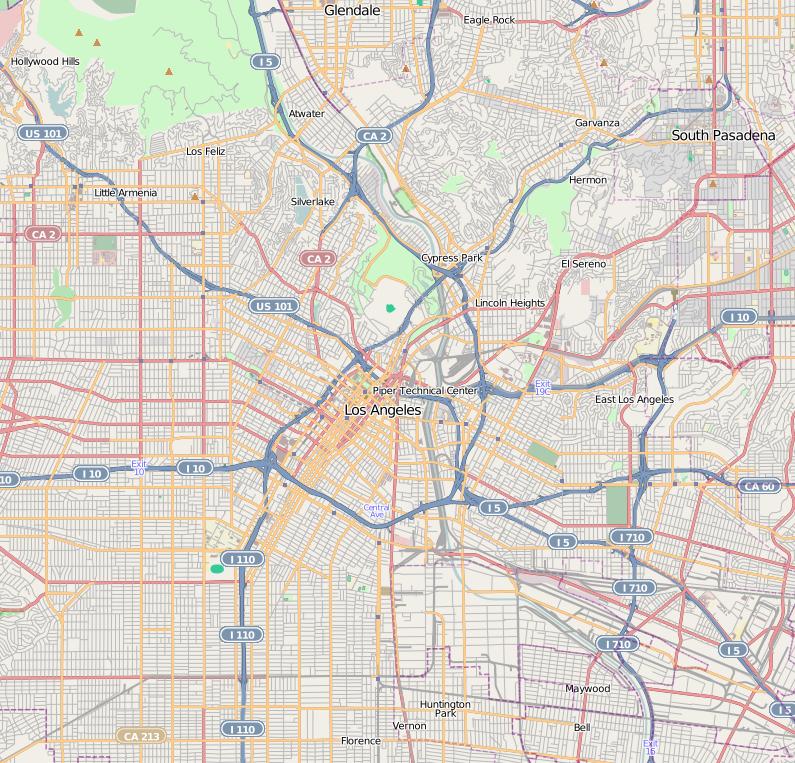




Design and construction
Designed by the architect Henry N. Cobb of the firm Pei Cobb Freed & Partners, the building was originally developed as Library Tower. Its construction employed late-20th-century high-rise techniques and emphasized a tiered crown that is often illuminated at night. The structure was officially renamed the U.S. Bank Tower in 1993 after its principal tenant; it remains one of the best-known high-rises built in Los Angeles during the 1980s.
Characteristics
- Height and floors: about 310 m (1,018 ft) tall with 73 occupiable floors.
- Primary use: commercial office space, with ground-level retail and services.
- Distinctive elements: a stepped crown, prominent rooftop profile, and public observation facilities added in later years.
- Location: situated in the civic and financial district of downtown Los Angeles, contributing to the city's skyline identity.
History and significance
When it opened in 1989 the tower was among the tallest buildings on the U.S. West Coast and long held the title of tallest building west of the Mississippi River. It retained its place as the tallest structure in Los Angeles until later developments, most notably the completion of the Wilshire Grand Center, surpassed it. Over time the U.S. Bank Tower became a symbol of downtown Los Angeles and has appeared frequently in popular media and urban studies of the city's architecture.
Public access, attractions and legacy
In addition to office floors, the building has hosted a publicly accessible observation deck offering panoramic views of Los Angeles. Attractions added in the 21st century included visitor amenities intended to draw tourism into the downtown core. As a long-standing high-rise, the tower is often discussed in comparisons of West Coast skyscrapers and in accounts of Los Angeles's downtown revitalization.
Further information
For general reference and official sources, see: building overview, site context, and architectural details. For historical timelines and records consult city archives or construction reports. Visitor information and current access policies are available from visitor resources and commercial listings here. For broader comparisons of U.S. skyscrapers see tall building lists.
Questions and answers
Q: What is the U.S. Bank Tower?
A: The U.S. Bank Tower is a skyscraper located in Los Angeles, California, in the United States.
Q: How tall is the U.S. Bank Tower?
A: The U.S. Bank Tower is 310 meters or 1018 feet tall and has 73 floors.
Q: When was the U.S. Bank Tower built?
A: The U.S. Bank Tower was built in the year 1989.
Q: Is the U.S. Bank Tower one of the tallest buildings in the United States?
A: Yes, the U.S. Bank Tower is one of the tallest buildings in the United States.
Q: How does the U.S. Bank Tower rank among the tallest buildings in the United States?
A: The U.S. Bank Tower is one of the tallest buildings in the United States that is west of the Mississippi River.
Q: What is the name of the tallest building in Los Angeles and California?
A: The Wiltshire Grand Center is the tallest building in Los Angeles and California.
Q: Was the U.S. Bank Tower always called by that name?
A: No, it wasn't. At first, it was named Library Tower, but in the year 1993, it was renamed as U.S. Bank Tower.
Related articles
Author
AlegsaOnline.com U.S. Bank Tower (Los Angeles) Leandro Alegsa
URL: https://en.alegsaonline.com/art/102440
Sources
- articles.latimes.com : "L.A. Tower to Be Tallest on Coast : Ground Breaking Due Tuesday for 73-Story Downtown Building"
- skyscrapercenter.com : U.S. Bank Tower
- emporis.com : U.S. Bank Tower
- glasssteelandstone.com : U.S. Bank Tower
- skyscraperpage.com : U.S. Bank Tower
- en.structurae.de : U.S. Bank Tower