
Unfinished building
A structure whose construction has been suspended or abandoned. Explains causes (financial, legal, technical, political), impacts, typical outcomes and notable examples such as the National Monument and Sagrada Família.
Overview
An unfinished building is a structure whose construction has been paused or abandoned before reaching completion. Such sites range from partially framed houses and stalled commercial blocks to large civic monuments and cathedrals. Some projects are temporarily on hold pending funds or permits; others are effectively abandoned and may remain in that state for years or decades. The term covers both halted works that are structurally sound but incomplete and derelict shells that pose safety and environmental concerns.
Image gallery
5 Images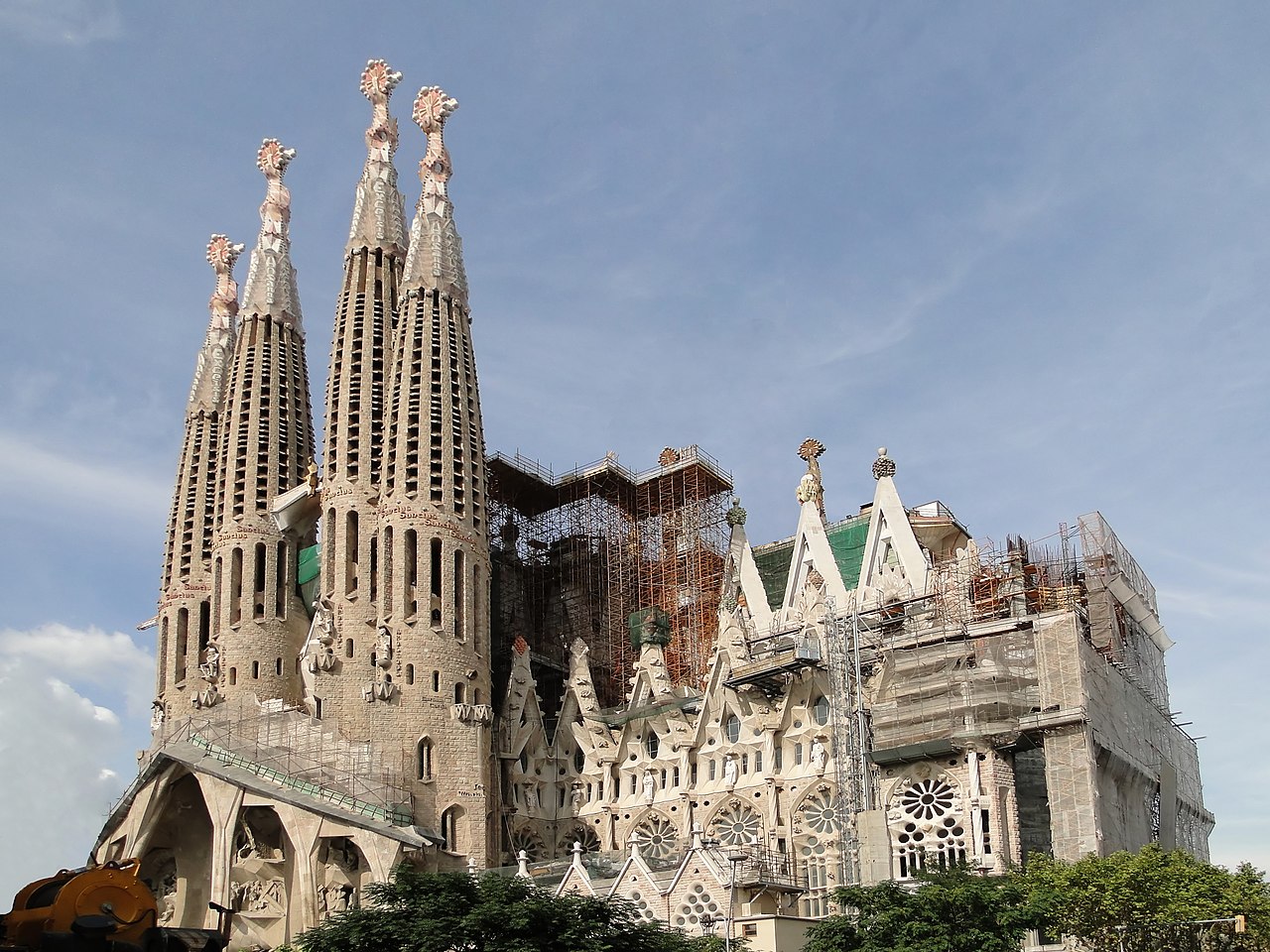



Common causes
There are several recurring reasons why a construction project is not completed:
- Financial difficulties: developer bankruptcy, withdrawn investment or broader economic crisis can exhaust funds and halt work.
- Legal and regulatory problems: disputes over land ownership, planning refusals, zoning changes or litigation can stop progress.
- Political and social events: wars, revolutions, regime change and sanctions may interrupt projects or divert resources.
- Technical and engineering challenges: unforeseen ground conditions, design flaws or safety issues sometimes make continuation impractical without redesign.
- Market conditions and demand shifts: falling property prices or altered demand can render a project commercially unviable.
Impacts and responses
Unfinished buildings affect communities and cities in multiple ways. They can be eyesores that depress neighbouring property values, create public-safety hazards, and attract vandalism. Conversely, some unfinished works acquire cultural significance or become tourist attractions. Authorities and owners typically consider several responses: resuming construction after refinancing, adaptive reuse of the shell, controlled demolition, or long-term stabilization and preservation when the structure has architectural or historic value.
Typical stages and technical considerations
Projects can be interrupted at different phases — excavation and foundations, structural frame, external shell, or fit-out. Each stage implies different risks if left incomplete: exposed reinforcement and unfinished waterproofing can accelerate deterioration, while partially fitted mechanical systems can fail without maintenance. Engineers assess whether to shore and weatherproof the structure, complete critical elements, or remove hazardous materials before repurposing.
Notable examples and distinctions
Well-known unfinished works illustrate the variety of causes and outcomes. The National Monument on Calton Hill in Scotland began as a memorial for Napoleonic War dead but stopped when funds ran out, leaving a classical ruin often compared to an incomplete Greek temple. The Sagrada Família in Barcelona began in 1882 and has been built in stages for more than a century; the long timeline reflects a complex design history, the death of its chief architect Antoni Gaudí in 1926 and interruptions from civil conflict and funding challenges. Other unfinished structures around the world were halted for political reasons, economic collapse or engineering problems; some later resume construction, others are adapted to new uses, and a few remain enduring urban landmarks.
Further reading and resources
For background on specific cases and technical guidance, see archived project reports, municipal planning records and conservation resources. Examples and commentary are available through repositories and articles identified by local authorities and heritage organisations: case study 1, financing report, legal overview, engineering guidance, National Monument details, Sagrada Família information, architect biography, Gaudí works, historical interruption and contemporary analysis.
Related articles
Author
AlegsaOnline.com Unfinished building Leandro Alegsa
URL: https://en.alegsaonline.com/art/102833
Sources
- aviewoncities.com : "Sagrada Familia, Barcelona"