
Trump–Ukraine scandal and 2019–2020 impeachment inquiry
A summary of the 2019 political controversy in which a whistleblower alleged President Trump sought Ukrainian investigations of a political rival, prompting a House impeachment inquiry and Senate trial.
Overview
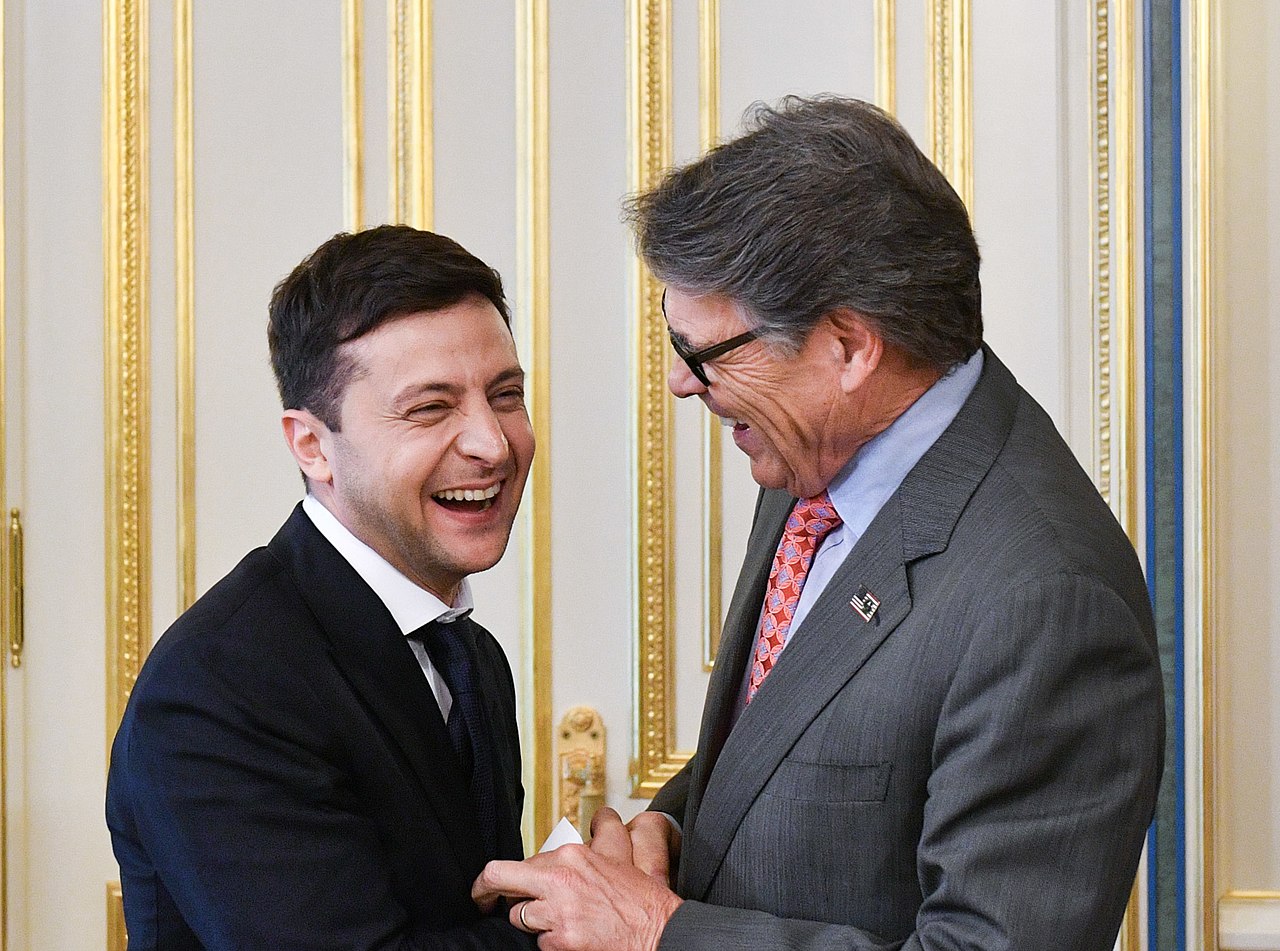
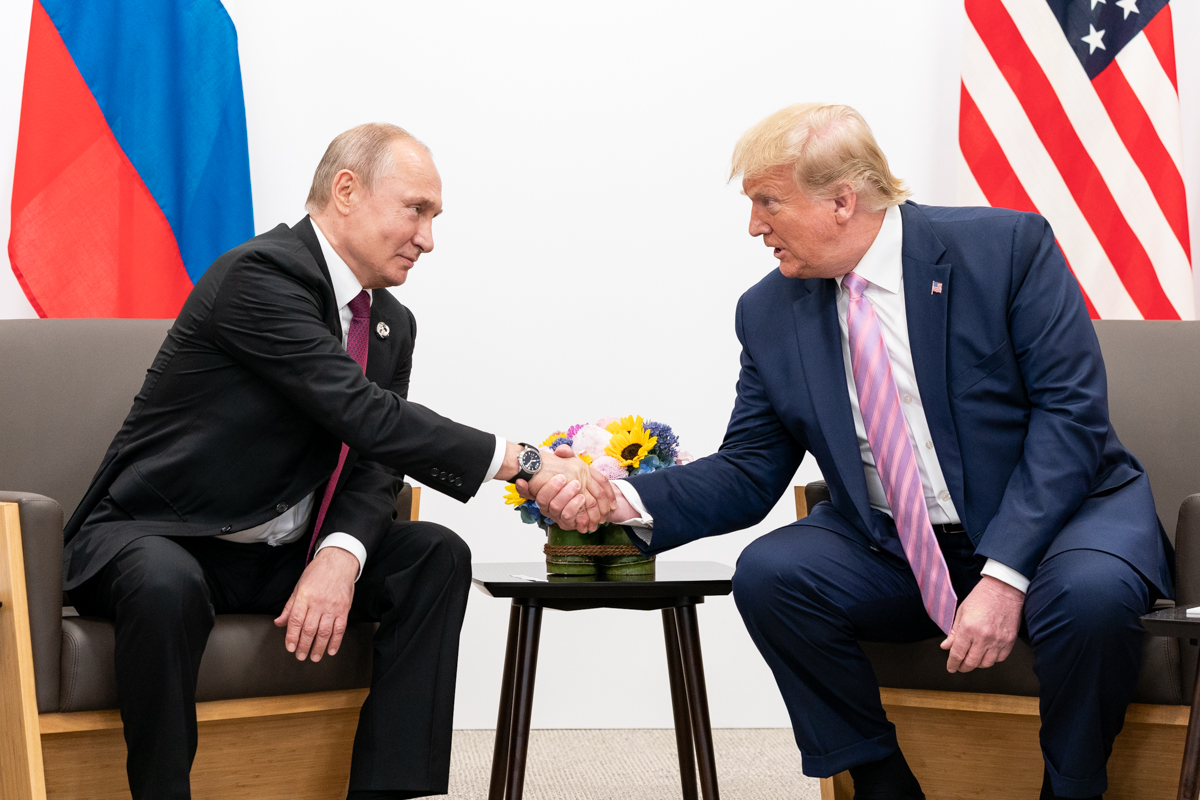
The Trump–Ukraine scandal was a high-profile political controversy in the United States that emerged in 2019. It began when a government whistleblower filed a complaint alleging that President Donald Trump and associates had urged the newly elected Ukrainian president Volodymyr Zelensky to open investigations into a 2020 U.S. presidential candidate, Joe Biden, and his son Hunter Biden, while U.S. security assistance to Ukraine was under consideration. The complaint raised questions about whether a sitting president sought foreign interference in an American election, a core concern of the later congressional inquiry and public debate. The allegation also implicated the president's personal attorney, Rudy Giuliani, and several administration officials.
Image gallery
10 Images




Key events and chronology
Public attention intensified in late summer and autumn 2019 after reports and the whistleblower complaint described a July telephone call between the U.S. president and the Ukrainian president. Media coverage and congressional interest grew as documents and testimony were collected. The House of Representatives opened an official impeachment inquiry in September 2019, citing the need to investigate whether the president had conditioned official acts, including military aid, on a political favor. By December 2019 the House approved articles of impeachment, while the Senate later held a trial to consider the charges.
Main actors and allegations
- President Donald Trump: alleged to have sought investigations of a political rival.
- Rudy Giuliani: performed informal diplomacy and communicated with Ukrainian contacts.
- Volodymyr Zelensky: newly elected Ukrainian leader who was asked to assist.
- Joe Biden and Hunter Biden: the subject of requests for investigations.
- U.S. lawmakers and inspectors: investigated whether aid was withheld to extract a political concession, a form of potential election interference (foreign election involvement).
Impeachment process and outcomes
Following the inquiry (impeachment inquiry), the U.S. House of Representatives voted to impeach the president on articles relating to abuse of power and obstruction of Congress; that formal action is referenced in public records of the House. The impeachment vote itself was a partisan and historical step, reflecting disagreement about the facts and the appropriate remedy. The matter then proceeded to the Senate, which conducted a trial and ultimately voted to acquit the president, leaving the impeachment without removal from office. The House vote to impeach is often summarized as "impeached by the House" (formal impeachment), while the Senate decision to clear the president concluded the constitutional removal process.
Context, debates, and legal issues
Central legal and political questions included whether the president's actions—if proved—constituted an unlawful use of presidential power, whether they undermined the integrity of U.S. elections, and how to balance national security assistance with political objectives. Supporters of the president argued that policy decisions about foreign aid fall within executive discretion; critics argued that conditioning official acts on election-related assistance crosses an impeachable line. The whistleblower complaint process and subsequent testimony underscored tensions between classified information protections, congressional oversight, and executive privilege.
Aftermath and significance
The scandal had immediate and longer-term effects on public discourse, congressional procedure, and perceptions of presidential accountability. It informed debates about the role of outside advisers in foreign policy, the protection of whistleblowers, and norms against soliciting foreign help in domestic elections. The episode also fed into the broader political environment of the 2020 election, contributing to partisan polarization while leaving unresolved questions about institutional safeguards and norms governing presidential conduct.
For contemporaneous documents, official testimony, and further reading, consult congressional records and reporting from established news organizations and government oversight bodies. Additional procedural and legal analysis can be found through government archives and expert commentary (primary sources and analyses).
Related articles
Author
AlegsaOnline.com Trump–Ukraine scandal and 2019–2020 impeachment inquiry Leandro Alegsa
URL: https://en.alegsaonline.com/art/101807
Sources
- cnn.com : Rudy Giuliani tells CNN he's unaware he's under investigation for Ukraine involvement
- nytimes.com : Trump's Ukraine Call Was 'Crazy' and 'Frightening,' Official Told Whistle-Blower
- nytimes.com : Factbox: All the President's Men-Supporting Actors in Trump's Ukraine Scandal
- nytimes.com : "Read the Text Messages Between U.S. and Ukrainian Officials" · archive.is
- washingtonpost.com : "Whistleblower claimed Trump abused his office and that White House officials tried to cover it up" · archive.today
- nytimes.com : "Nancy Pelosi Announces Formal Impeachment Inquiry of Trump"
- archive.fo : archive.fo/oVGIv