
Typhoon Kammuri (Tisoy) — 2019 Philippine landfall and impacts
Typhoon Kammuri (Tisoy) was a powerful late‑season tropical cyclone that intensified rapidly before striking the Philippines in early December 2019, causing evacuations, damage and widespread disruption.
Overview
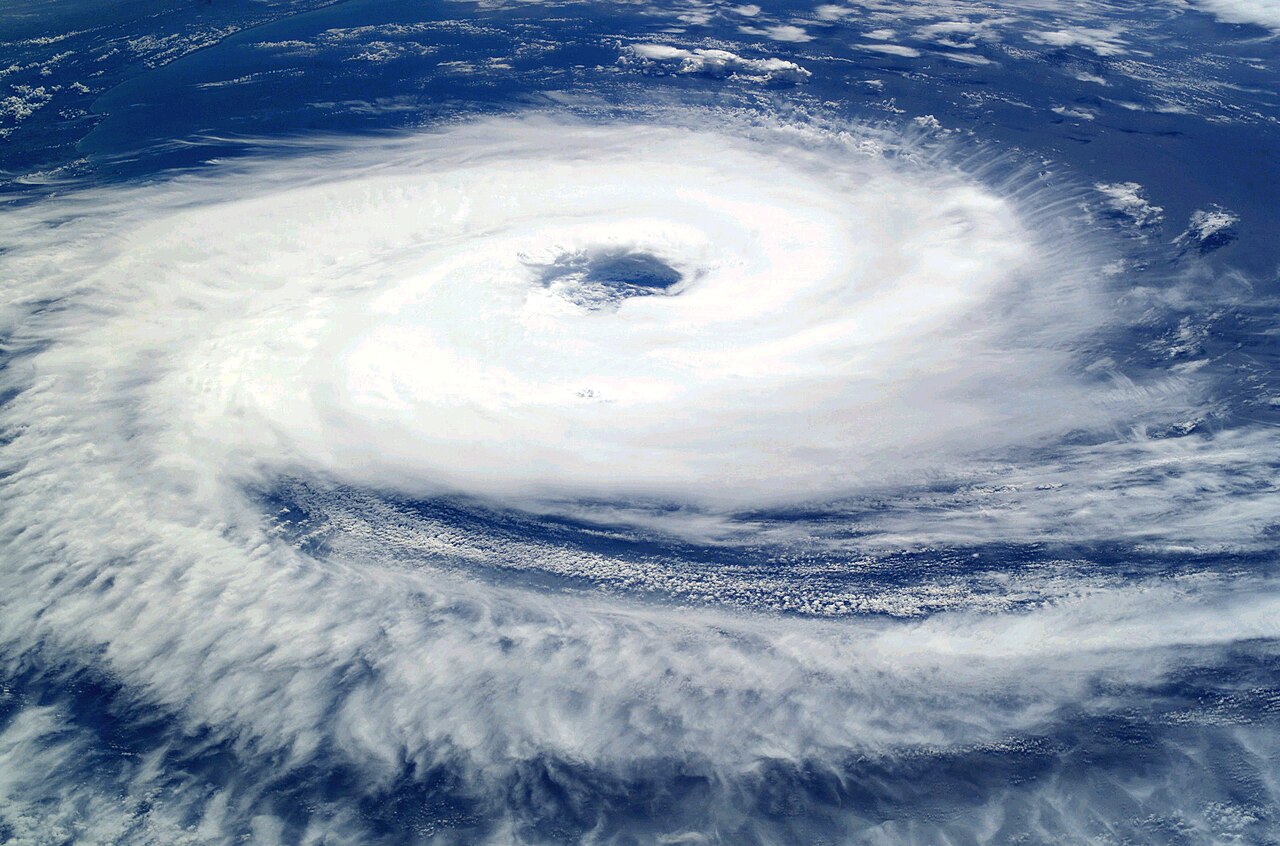
Typhoon Kammuri, known in the Philippines as Typhoon Tisoy, was a strong late‑season tropical cyclone in the Western North Pacific that struck the Philippines in early December 2019. The storm's international name is かんむり and its Rōmaji form is shown as kanmuri. It tracked toward the eastern Philippines, making landfall in the Bicol Region and parts of Southern Luzon, and produced destructive winds, heavy rainfall and storm surge in exposed coastal areas. The cyclone intensified rapidly in the run‑up to landfall, reaching a major‑storm intensity equivalent to a Category 4 hurricane on the Saffir–Simpson scale before weakening slightly prior to impact.
Image gallery
7 Images



Meteorological history and characteristics
Kammuri began as a low‑pressure area in late November 2019 and was classified as a tropical depression by a regional agency in the days that followed. By November 25 it exhibited organized rainbands and a consolidating circulation. Over several days the system strengthened to tropical storm and typhoon status, then underwent a phase of rapid intensification as it moved westward across warm open waters. Forecasters noted a well‑defined inner core and a compact eyewall as the storm reached major typhoon strength. The storm's structure and intensity were monitored by multiple agencies that issue separate advisories and use different intensity scales.
Landfall, path and dates
After curving west‑toward‑northwest, Kammuri approached the Philippine archipelago and made its principal landfall near midnight on December 2, 2019. The landfall location was in the central reaches of the Bicol Region, and the system proceeded across several provinces of the Philippines as it gradually weakened over land. Heavy rains persisted ahead of and behind the storm center, causing flash floods and raising river levels in downstream areas for days after the main passage.
Impact and emergency response
The storm prompted widespread precautionary actions: local governments ordered evacuations from flood‑prone and coastal communities, suspended classes and public transportation, and cancelled flights and ferry services ahead of the worst conditions. Power outages and damage to communication lines affected many towns, and agricultural areas suffered crop losses due to high winds and saltwater inundation. Emergency services conducted search, rescue and relief operations where needed, while relief agencies and community organizations distributed food, shelter materials and medical assistance to displaced families.
- Precautionary evacuations and suspension of public services were implemented in vulnerable provinces.
- Damage included roof losses, flooded homes, downed trees and utility poles, and impacts to agriculture and fisheries.
- Post‑storm recovery focused on restoring power, clearing debris and supporting affected livelihoods.
Aftermath and notable facts
Kammuri arrived during the peak of the holiday season, complicating relief logistics and local economies already sensitive to seasonal demands. Authorities issued assessments of damage and, in many areas, declarations of emergency or states of calamity to unlock funds for recovery and reconstruction. The storm is remembered for its rapid intensification prior to Philippine landfall and for the widespread preparations that likely reduced greater loss of life. Studies of storms like Kammuri continue to inform improvements in forecasting, early warning, evacuation planning and disaster resilience across the region.
For official reports, advisories and historical records consult meteorological agencies and local government releases. Further background on regional naming and tracking practices is available from national weather services and international tropical cyclone monitoring centers.
Japanese name details · Rōmaji transliteration · Bicol Region · Philippine government weather services
Questions and answers
Q: What is Typhoon Kammuri?
A: Typhoon Kammuri is a Tropical Cyclone that made landfall in the Bicol Region of the Philippines.
Q: What is the Japanese name of Typhoon Kammuri?
A: The Japanese name of Typhoon Kammuri is "かんむり" or "kanmuri".
Q: What is the Philippine name of Typhoon Kammuri?
A: The Philippine name of Typhoon Kammuri is "Typhoon Tisoy".
Q: When did Typhoon Kammuri develop into a low pressure system?
A: Typhoon Kammuri developed into a low pressure system on November 23, 2019.
Q: When did Typhoon Kammuri become a Category 1-equivalent storm?
A: Typhoon Kammuri became a Category 1-equivalent storm on November 25, 2019.
Q: When did Typhoon Kammuri make landfall on the Philippines?
A: Typhoon Kammuri made landfall on the Philippines near midnight on December 2, 2019.
Q: Did Typhoon Kammuri undergo rapid intensification before landfall?
A: Yes, Typhoon Kammuri underwent rapid intensification before landfall and became a Category 4-equivalent storm.
Related articles
Author
AlegsaOnline.com Typhoon Kammuri (Tisoy) — 2019 Philippine landfall and impacts Leandro Alegsa
URL: https://en.alegsaonline.com/art/102367