
President of Ukraine
The President of Ukraine is the country's head of state: constitutional role, powers, election method, history, and contemporary significance, including foreign representation and commander-in-chief duties.
Overview
The President of Ukraine is the republic's head of state and the primary representative of Ukraine in international affairs. The office carries ceremonial and substantive responsibilities defined by the constitution and legislation. In Ukrainian the title is often shown as Президент України, and the holder acts as a chief symbol of national unity and continuity.
Image gallery
10 Images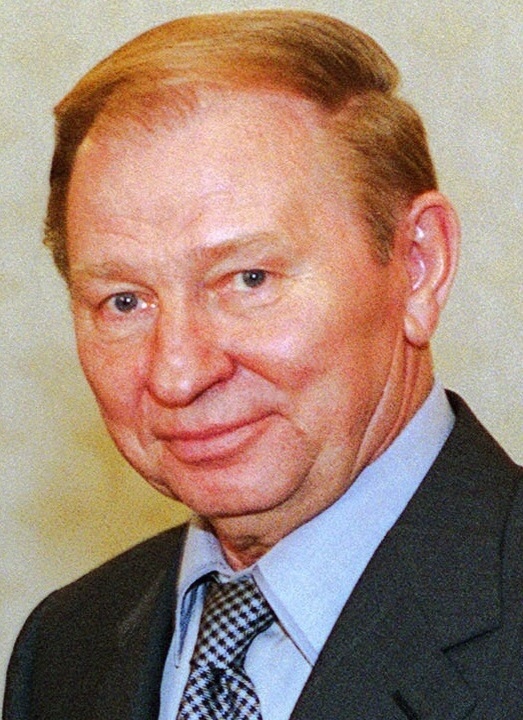


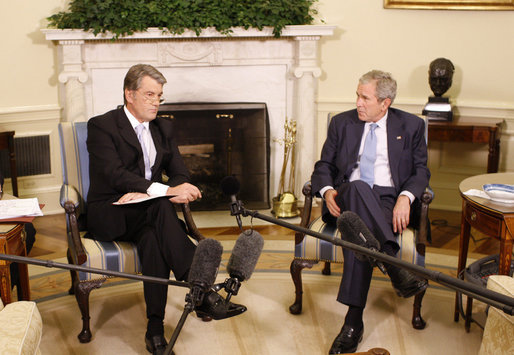
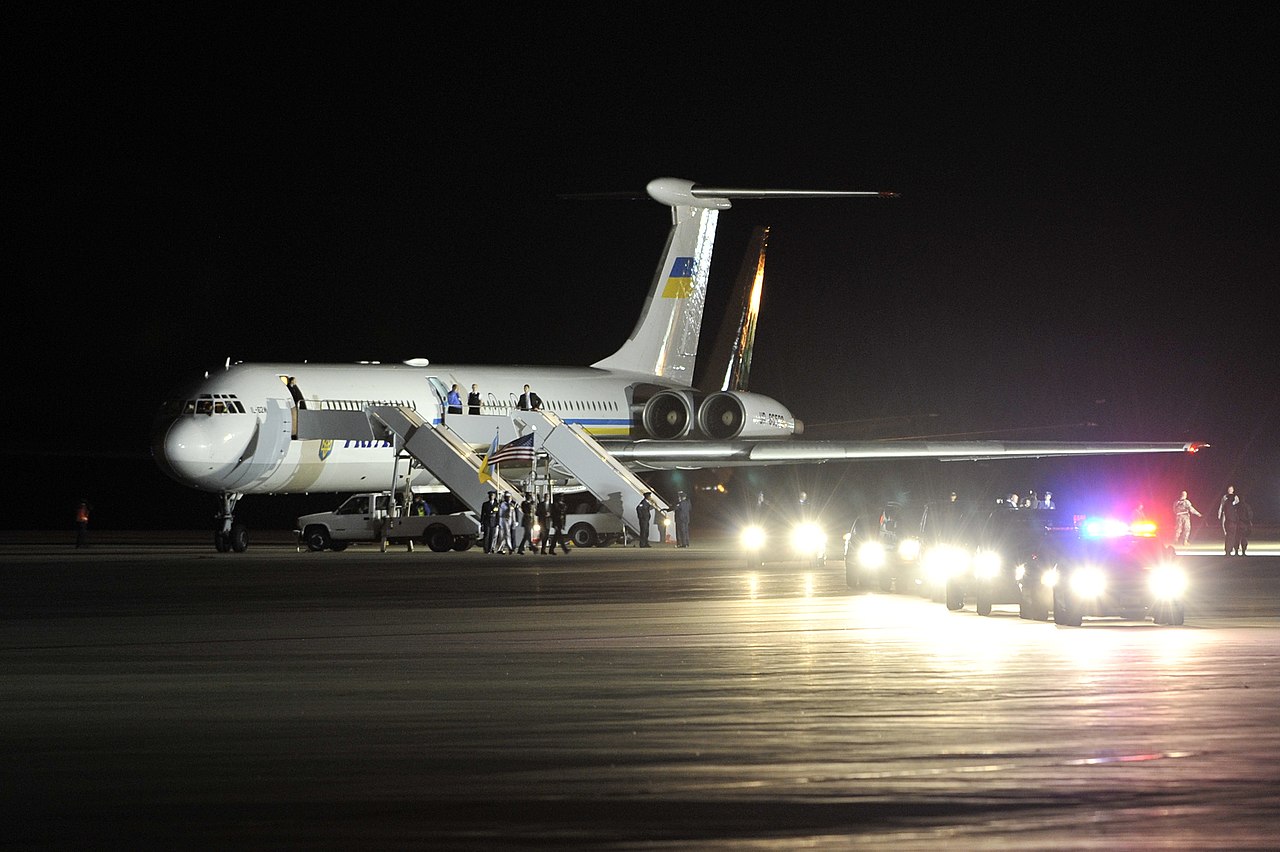


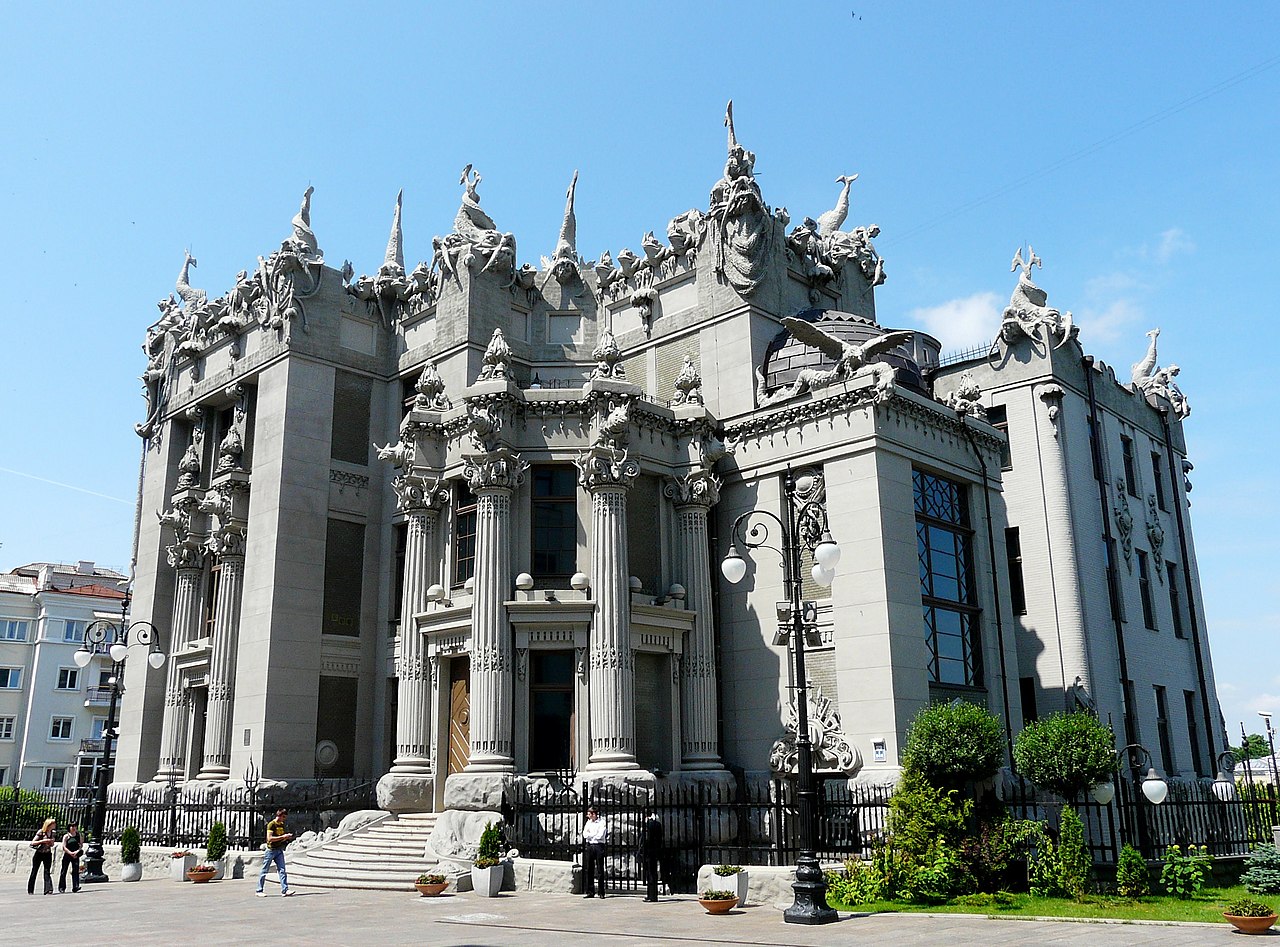
Powers and duties
Constitutional powers combine diplomatic, security, and domestic functions. The president:
- Represents Ukraine internationally, conducts negotiations and concludes international treaties, and accredits diplomats.
- Serves as commander-in-chief of the armed forces and has responsibilities related to national defense and security policy.
- Exercises legislative influence through the power to sign or veto laws, convene and address the parliament, and propose legislation.
- Makes a range of key appointments and nominations—often subject to parliamentary approval—including the prime minister, certain judges, and heads of regional administrations.
Election, term and removal
The president is elected by popular vote for a fixed term established by the constitution. Election and succession rules aim to ensure democratic legitimacy and peaceful transfer of power. The constitutional framework also provides procedures for restraint or removal from office, including impeachment, in defined circumstances.
History and development
The presidency emerged with Ukraine's independence in 1991 and evolved through constitutional reforms and political practice. Over time, the distribution of authority between the presidency, the parliament and the government has shifted, reflecting changing political balances and legal amendments. The office has been central during moments of national crisis and diplomatic challenges.
Importance and notable facts
The role is important for setting foreign policy direction and representing the state in international forums (foreign relations) as well as for domestic crisis management. Because of its combination of symbolic and practical powers, the presidency often shapes national priorities. The incumbent president is Volodymyr Zelenskyy, who came to office following a national election and whose tenure has been closely watched internationally. Academic and civic debates regularly consider the balance of powers between the presidency and other state institutions (head of state).
Related articles
Author
AlegsaOnline.com President of Ukraine Leandro Alegsa
URL: https://en.alegsaonline.com/art/78916