
Typhoon Bopha (Pablo) — December 2012 cyclone that struck Palau and Mindanao
Typhoon Bopha (locally Pablo) was a powerful December 2012 tropical cyclone that caused severe damage in Palau and the southern Philippines, especially Mindanao; its name was later retired.
Overview
Typhoon Bopha, known in the Philippines as Typhoon Pablo, was a destructive late-season tropical cyclone in December 2012. It developed in the western Pacific and rapidly intensified into a powerful storm that impacted several island communities. The system is notable for striking areas of the southern Philippines that are less frequently hit by very strong typhoons.
Image gallery
10 Images



Meteorological characteristics
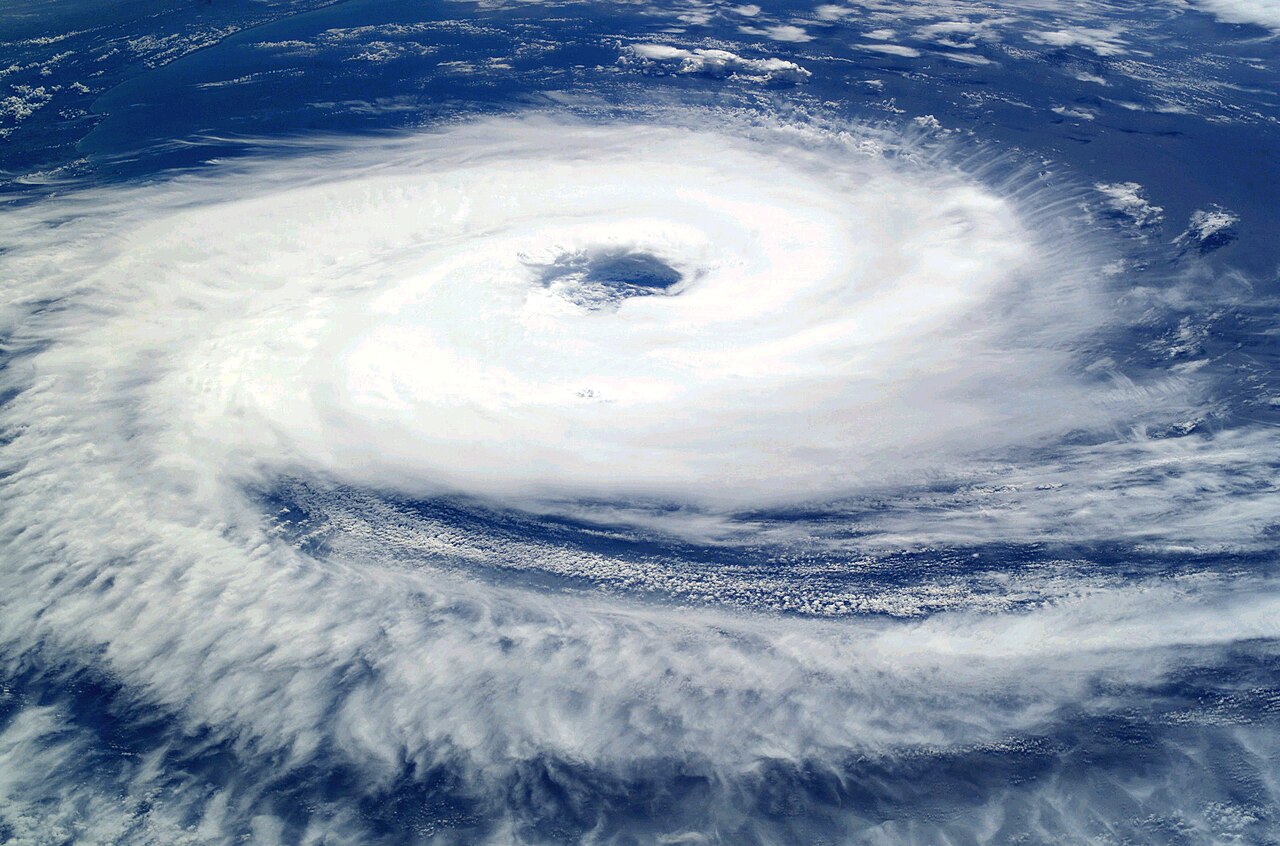
Bopha organized quickly from a tropical disturbance into a major typhoon, undergoing a period of rapid intensification. It attained intense strength unusual for the latitude and time of year. Meteorological agencies characterized it as a severe tropical cyclone that produced damaging winds, torrential rainfall, and destructive storm surge where it made landfall.
Path and immediate impacts
The storm first affected parts of Micronesia before moving toward the Philippines. It struck Palau early in its life, where strong winds and heavy rains damaged homes and local infrastructure and caused widespread power outages. As it continued westward, the typhoon made landfall on the southern Philippine island of Mindanao, a region that typically experiences fewer intense typhoons than the northern islands.
Damage in the Philippines
On Mindanao and surrounding islands in the Philippines, Bopha produced catastrophic flooding, landslides, and coastal inundation. Thousands of houses were damaged or destroyed, critical services were disrupted, and large areas of farmland were ruined. Initial reports listed hundreds of fatalities and many more injured and displaced; recovery and relief operations continued for months afterward.
Aftermath, response and legacy
Humanitarian agencies and government authorities carried out search, rescue, and relief missions, providing emergency shelter, food, and medical care. The scale of loss and the storm's impacts led regional meteorological bodies to retire the names associated with the event from future naming lists. Bopha's striking effects on southern communities prompted reviews of disaster preparedness, early warning dissemination, and land‑use planning in vulnerable coastal and upland areas.
Notable facts
- It was an unusually intense typhoon for late in the calendar year and for the low latitudes where it intensified.
- The storm highlighted vulnerabilities in remote and rural communities to high‑intensity tropical cyclones.
- Its legacy includes changes in risk communication and an emphasis on improving response capacity in regions less accustomed to strong typhoons.
For contemporary summaries and detailed meteorological analyses, consult regional agency reports and post‑storm assessments produced after the event; national and international organizations compiled operational and humanitarian reviews in the months following the disaster.
More information: severe tropical cyclone summary, Philippine impact reports, Palau situation updates, Mindanao regional assessments.
Related articles
Author
AlegsaOnline.com Typhoon Bopha (Pablo) — December 2012 cyclone that struck Palau and Mindanao Leandro Alegsa
URL: https://en.alegsaonline.com/art/102365