
True Cross — relics and tradition of the cross on which Jesus was crucified
Fragments venerated as the True Cross are an enduring Christian relic tradition. This article reviews the Helena narrative, relic veneration, distribution, liturgical role and debates over authenticity across traditions.
Overview
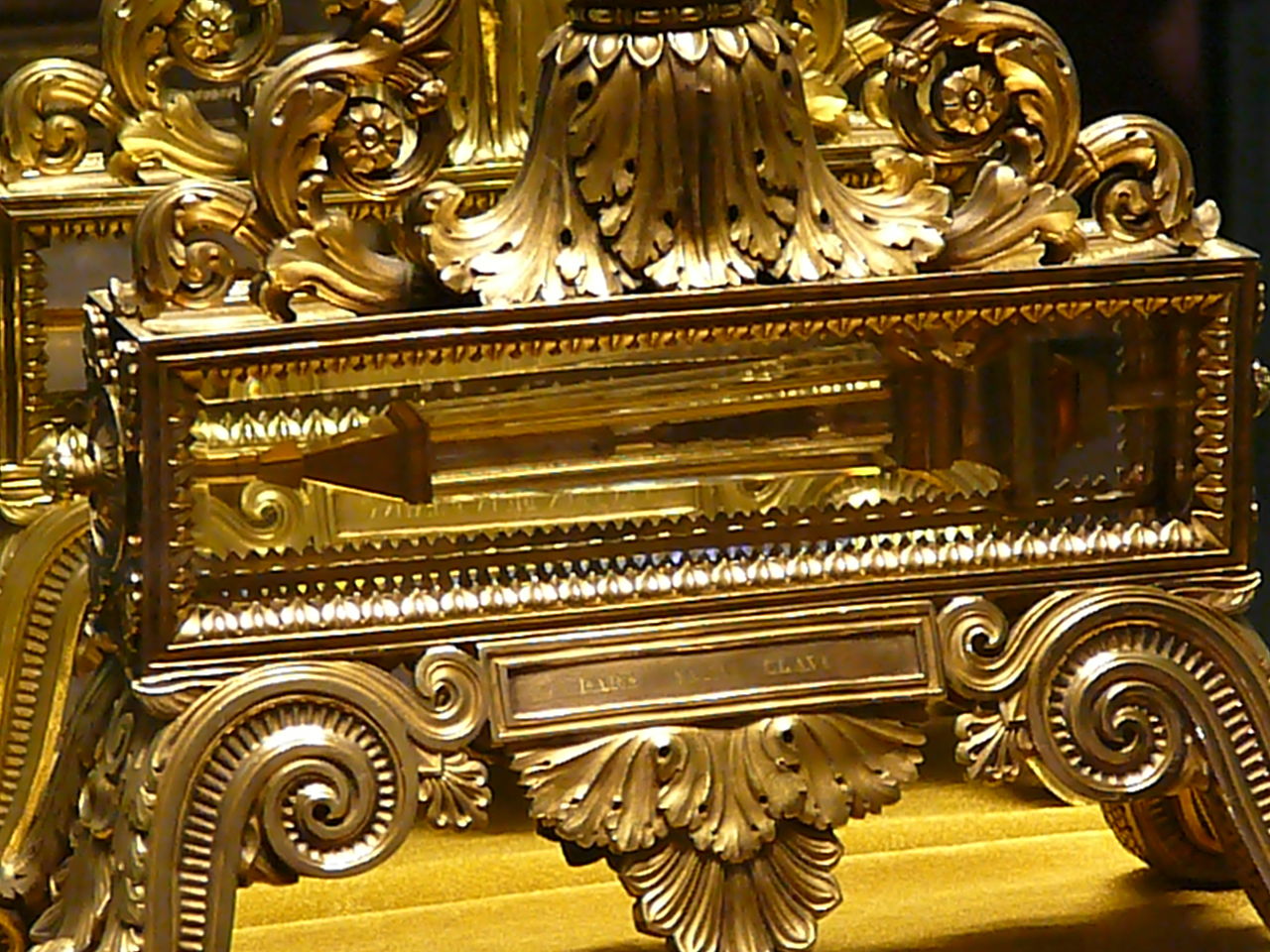
The term "True Cross" refers to pieces of wood that tradition holds to be from the actual cross on which Jesus was crucified. Over many centuries fragments claimed to be from that cross have been preserved, venerated and displayed in churches, monasteries and shrines. For many believers such relics provide a tangible connection to the events of the Passion; for historians and critics they raise questions about provenance, context and the practical limits on how much of a single object could survive.
Image gallery
10 Images




Discovery narrative associated with Helena
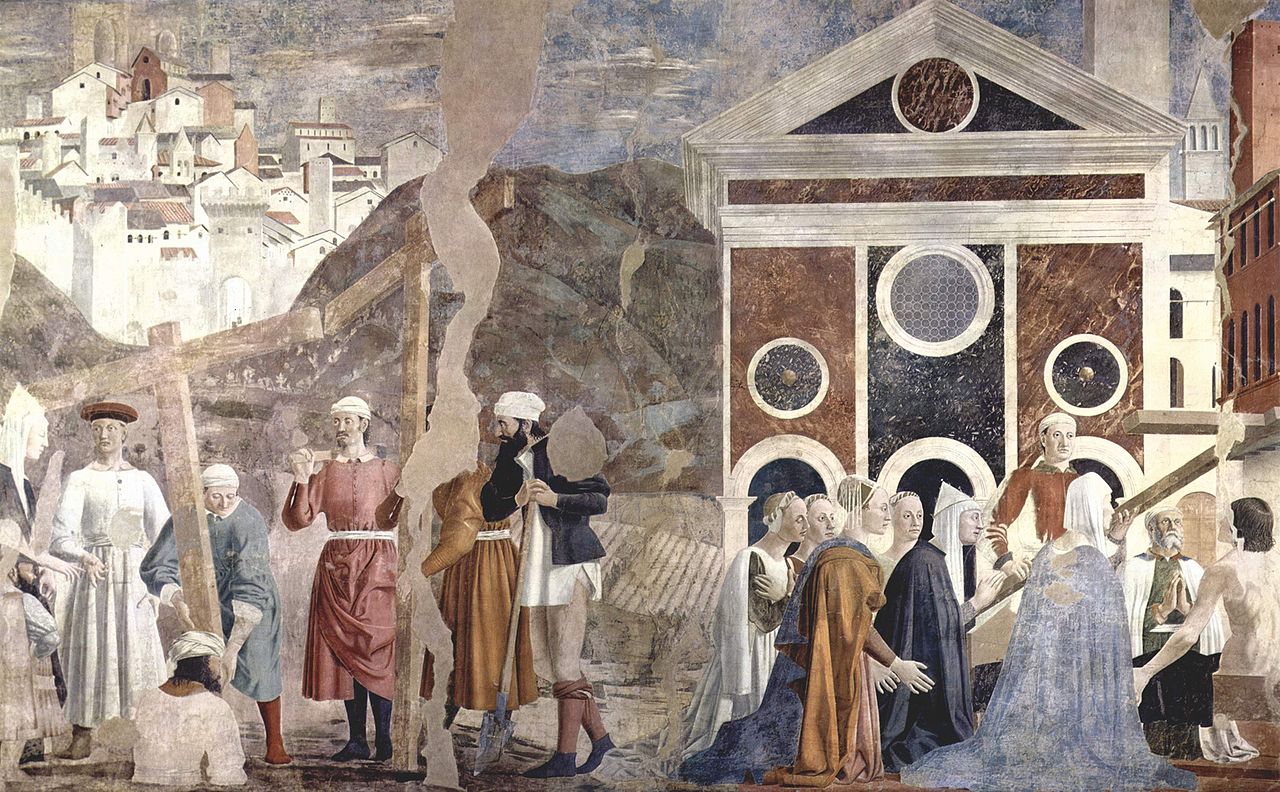
The best-known early account places the discovery in the 4th century and associates it with Empress Helena, mother of Emperor Constantine. According to later Christian historians she travelled to the Holy Land, supported church foundations and relief efforts, and identified the site associated with the crucifixion. Sources describe finding three crosses at that site — the crosses of Jesus and the two men executed with him — and an event or miracle that distinguished which was regarded as the True Cross. These stories became influential in shaping pilgrim routes and church dedications.
Relic veneration and liturgical role
Relics attributed to the True Cross have been objects of public veneration, included in processions, used for blessing the faithful and honoured on liturgical feast days such as the Exaltation of the Holy Cross. Practices vary between traditions: the Eastern Orthodox and Roman Catholic churches maintain liturgical rites and commemorations connected with the cross; the Anglican Communion also honours Helena as a saint and preserves elements of the tradition in some locales. Devotional observances often emphasize the cross as symbol of salvation and as a focus for prayer, pilgrimage and acts of charity.
Distribution, reliquaries and medieval practice
Across the Middle Ages many small fragments were encased in reliquaries and distributed to churches throughout Europe and the Near East. The popularity of these relics contributed to pilgrimage economies and to the building or embellishment of shrines. Medieval records sometimes include certificates, inscriptions or inventories that document when a fragment was received or venerated; in other cases the origins are less well recorded. The widespread distribution of relics fostered local traditions and artistic representations of the cross in liturgical and civic contexts.
Authenticity, skepticism and scholarship
Questions about authenticity have long been part of the history of the True Cross. Critics point to the great number of surviving fragments and to instances of fraud or commercial trade in relics in past centuries. It is commonly observed that if one were to combine all the wood fragments claimed to be from the True Cross they would exceed what could reasonably have come from a single timber. Scholars and theologians approach such claims with varying methods: historical-critical study of texts and inventories, comparative liturgical history, and, in some modern cases, scientific techniques such as material analysis and dating. Debates continue about how to evaluate devotional value alongside historical probability; over time many churches have adopted careful procedures for verifying or describing relics.
Denominational perspectives
The acceptance of the Helena discovery narrative and of relic veneration differs among Christian communions. The Roman Catholic and Eastern Orthodox churches have retained and institutionalized the tradition of the True Cross, while remaining attentive to questions of authentication. Many Protestant communities are more reserved about the veneration of physical relics, emphasizing instead the symbolic and theological meaning of the cross. The Anglican Communion occupies a range of positions, with some branches maintaining historical and liturgical observances related to the tradition; official and devotional discussions are accessible through denominational resources.
Cultural impact and artistic representation
Whether or not individual fragments are accepted as authentic, the idea of the True Cross has had a profound cultural and artistic influence. It appears in devotional literature, iconography, liturgical objects and church architecture. Legends connected to the discovery and to the cross’s supposed powers inspired pilgrimage narratives, local festivals and works of art. Accounts of the three crosses and related stories are preserved in various collections of ecclesiastical history and popular devotion, and continue to be the subject of historical and theological study.
Further reading and resources
- Primary accounts and later hagiographical narratives are discussed in early Christian histories and medieval compilations; for summaries see accessible overviews of the Helena tradition and the finding of the three crosses as presented in popular scholarship: accounts of the three crosses.
- Discussion of critical perspectives, historicity and the evaluation of relics are gathered in surveys of church history and in articles addressing evidence and skepticism: scholarship and skepticism.
- Denominational materials describing liturgical observance, commemorations and the status of Helena as a saint are available from official sources and ecumenical summaries: see resources such as those provided by the Anglican Communion for one perspective on commemoration and tradition.
While the precise origin and provenance of many fragments remain uncertain, the tradition of the True Cross continues to shape Christian worship, memory and art. It stands as an example of how objects and stories can serve as focal points for devotion, identity and historical inquiry across centuries.
Related articles
Author
AlegsaOnline.com True Cross — relics and tradition of the cross on which Jesus was crucified Leandro Alegsa
URL: https://en.alegsaonline.com/art/101783
Sources
- gospel-mysteries.net : "The True Cross"