
Uluburun Shipwreck (Late Bronze Age trading vessel)
Late Bronze Age shipwreck discovered off southwest Turkey (1982). Uluburun's cargo reveals extensive Mediterranean trade c. 14th century BCE and supplies key evidence about Bronze Age exchange and technology.
Overview
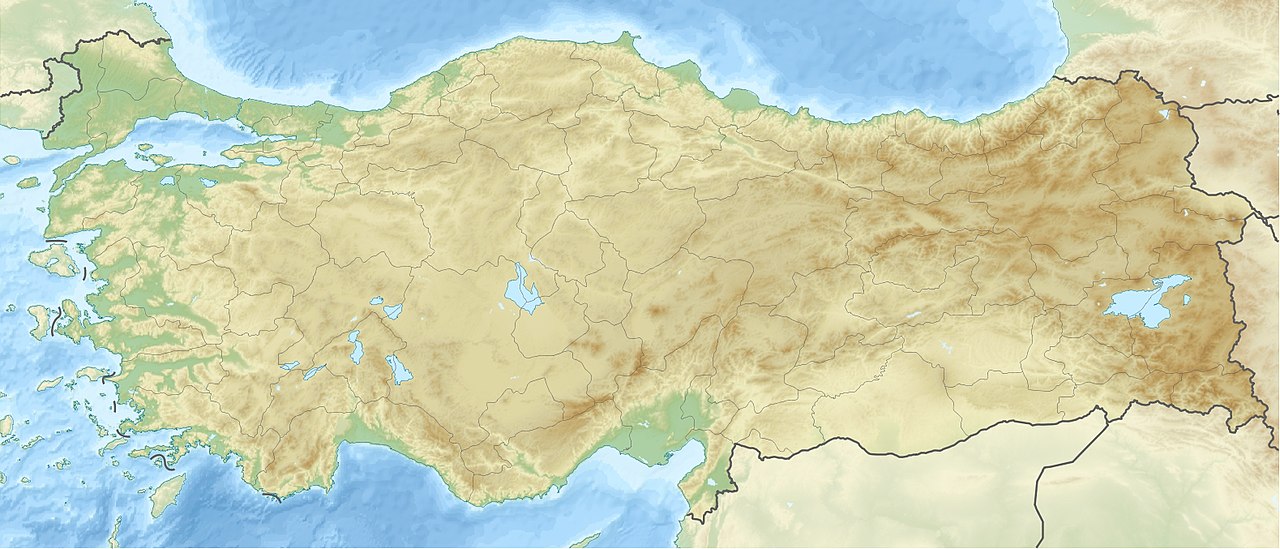
The Uluburun is a Late Bronze Age shipwreck found in 1982 off the southwestern coast of Turkey, near the cape called Uluburun close to the town of Kaş. Discovered by a recreational diver, the site lies on a steep slope and dates to the late 14th century BCE. It is one of the most important underwater archaeological assemblages for the study of prehistoric Mediterranean trade, because of the quantity, variety and preservation of its cargo.
Image gallery
6 Images




Ship and cargo
Archaeologists estimate the vessel was relatively small by modern standards — about 20 metres long with a cargo capacity on the order of tens of tons. What makes Uluburun remarkable is the mix of raw materials, finished goods and luxury items preserved on the seabed. The assemblage includes hundreds of metal ingots, large ceramic jars, decorated pottery, beads, worked ivory, and exotic organic materials, providing a snapshot of commodities moving across the Mediterranean in the Late Bronze Age.
Key finds
- Copper and tin ingots and scrap: raw materials central to bronze production.
- Amphorae and storage jars: containers carrying oil, resin, wine or other commodities.
- Luxury objects: carved ivory, gold jewelry, glass and faience beads that indicate elite consumption.
- Imported pottery and seals: wares and stamped objects that show connections to Cyprus, the Levant, the Aegean and Egypt.
Trade networks and historical importance
The range of origins represented among the cargo demonstrates extensive long‑distance exchange in the eastern Mediterranean at the end of the 2nd millennium BCE. Materials that were mined, produced or styled in different regions travelled together, confirming that raw materials, manufactured goods and prestige objects circulated through complex commercial and diplomatic networks. The presence of both metal ingots and finished luxury items has been especially valuable for understanding how bronze — the dominant metal technology of the age — was supplied and distributed.
Excavation and legacy
Professional underwater excavation of the Uluburun site took place over several seasons and used careful recording, in situ mapping and conservation of retrieved objects. Finds from the wreck have been conserved, studied and displayed, contributing to scholarship on ship construction, seafaring, craft specialization, and chronology in the Late Bronze Age Mediterranean. For further general information see the Uluburun shipwreck overview and resources on the region of discovery at southwest Turkey.
Because it preserves both common trade goods and rare prestige items, the Uluburun wreck remains a cornerstone case for understanding economic and cultural interactions in the Late Bronze Age Mediterranean and continues to inform debates about ancient trade routes, technology and cross‑cultural contact.
Related articles
Author
AlegsaOnline.com Uluburun Shipwreck (Late Bronze Age trading vessel) Leandro Alegsa
URL: https://en.alegsaonline.com/art/102708