
Upper Palaeolithic (Late Stone Age)
The Upper Palaeolithic marks the final phase of the Palaeolithic, when anatomically modern humans expanded, developed advanced tools, art and burial practices across Europe, Asia and Africa (c. 50,000–10,000 years ago).
The Upper Palaeolithic is the last major subdivision of the Palaeolithic and represents a period when cultural and technological complexity among early people increased markedly. In broad terms it spans from roughly the later Pleistocene into the end of the last Ice Age, commonly dated in many regions to about 40,000–10,000 years ago. During this interval humans developed a wider range of tools and symbolic behaviors, while the previously widespread Neanderthal populations declined and eventually disappeared, leaving Homo sapiens as the principal human species within the human genus.
Image gallery
10 Images




Geographic scope and periodization
The Upper Palaeolithic is recognized across large parts of Europe, Asia and Africa and is often described as the final chapter of the Old Stone Age. Archaeologists divide the era into regional industries and cultures—such as the Aurignacian, Gravettian, Solutrean and Magdalenian in Europe—based on characteristic tool types, art styles and settlement evidence. Chronologies vary by continent and site, reflecting local adaptations to changing climates and environments.
Technology, tools and subsistence
A hallmark of the Upper Palaeolithic is the systematic production of blade-based stone tools and the use of bone, antler and ivory to fashion specialized implements. Projectile points, sewing needles and fishhooks appear in many assemblages, enabling more efficient hunting, fishing and clothing manufacture. These innovations supported wider seasonal mobility, exploitation of diverse habitats, and more effective processing of animal resources.
Art, symbolism and personal expression
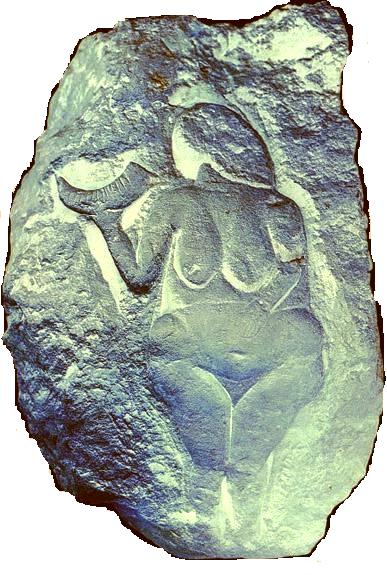
This period is noted for a burst of artistic expression. Cave sites and open-air finds preserve paintings, engravings, carved figurines and personal ornaments. Many works appear in deep or secluded parts of caves, while small carved objects such as the so-called Venus figurines suggest shared symbolic traditions. These artifacts indicate an increased capacity for abstract thought, storytelling and social identity.
Burials, ritual and social change
Evidence for deliberate burial practices becomes clearer in the Upper Palaeolithic, with graves sometimes containing grave goods and arrangements that suggest ritual behavior and concern for the dead. Such practices are interpreted as signs of complex social bonds, memory, and possibly beliefs about life after death. Changes in toolkits, mobility and social networks also hint at growing regional interaction and cultural transmission.
Notable sites and lasting importance
- Peștera cu Oase (Romania): early modern human remains found in a limestone cave near modern Romania illustrate human presence in Europe during the period.
- Lascaux and other decorated caves preserve famous cave paintings that exemplify Upper Palaeolithic art; Lascaux is often cited among sites recognized by UNESCO on lists of World Heritage Sites and is located in France.
- Several open-air and cave sites across Eurasia and Africa document regional cultures, seasonal camps, and long-distance raw material exchange.
Understanding the Upper Palaeolithic is central to studies of human prehistory because it records major developments in technology, art and social complexity that set the stage for later Mesolithic and Neolithic transformations. While specific dates and causes of change vary by region, the period remains a key window into how modern human behavior emerged and spread.
Questions and answers
Q: What is the Upper Palaeolithic period?
A: The Upper Palaeolithic period is the third and last part of the Paleolithic period that lasted from about 40,000 to 10,000 years ago.
Q: What did humans use tools for during the Upper Palaeolithic period?
A: Humans used tools for hunting and fishing during the Upper Palaeolithic period.
Q: What did humans develop during the Upper Palaeolithic period?
A: Humans developed cave paintings during the Upper Palaeolithic period.
Q: What happened to the Neanderthal man during the Upper Palaeolithic period?
A: The Neanderthal man completely disappeared during the Upper Palaeolithic period, leaving Homo sapiens as the only surviving species in the human genus.
Q: When did the first modern humans found in Western Europe date back to?
A: The first modern humans found in Western Europe date back to about 36,000 years ago.
Q: Where were the first modern human fossils found in Western Europe?
A: The first modern human fossils found in Western Europe were found in the south-west of Romania in a stone cave called Peștera cu Oase.
Q: What evidence was there for belief in the afterlife during the Upper Palaeolithic period?
A: The appearance of burial rituals and ancestor worship was evidence for belief in the afterlife during the Upper Palaeolithic period.
Related articles
Author
AlegsaOnline.com Upper Palaeolithic (Late Stone Age) Leandro Alegsa
URL: https://en.alegsaonline.com/art/103494
Sources
- credoreference.com : "Upper Paleolithic from Academic Press Dictionary of Science and Technology"
- britannica.com : "Paleolithic Period (anthropology) -- Britannica Online Encyclopedia"
- history-world.org : "The Stone Age"
- news.bbc.co.uk : "'Oldest sculpture' found in Morocco"
- utexas.edu : "The Berekhat Ram figurine: a late Acheulian carving from the Middle East"
- rupestre.net : "Grotte Chauvet Archaeologically Dated"
- antiquity.ac.uk : "Current problems in dating Palaeolithic cave art: Candamo and Chauvet"