
Venus figurines: Paleolithic female statuettes and their interpretations
Small prehistoric female statuettes from the Upper Paleolithic and earlier, known as Venus figurines, found across Eurasia; materials, dates, debates on meaning, and notable examples.
Overview
Venus figurines are small prehistoric statuettes that depict the female form. Found across a wide area from Western Europe to Siberia, they are among the most discussed artifacts of prehistoric art. Most well-known examples were produced in the Upper Paleolithic and are often dated to roughly 30,000 years ago, though the tradition and its interpretation remain subjects of active research and debate.
Image gallery
8 Images



Characteristic features and materials
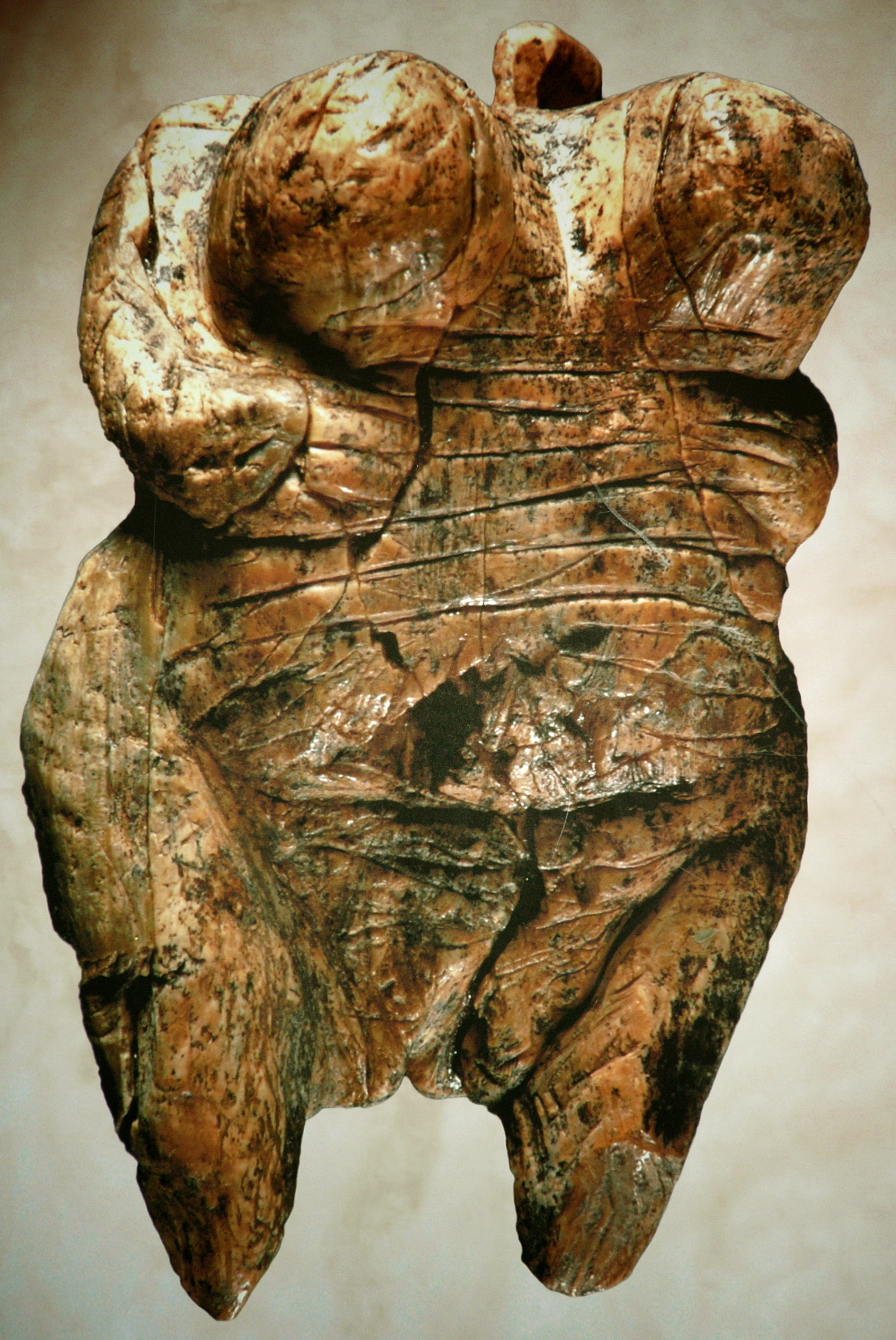
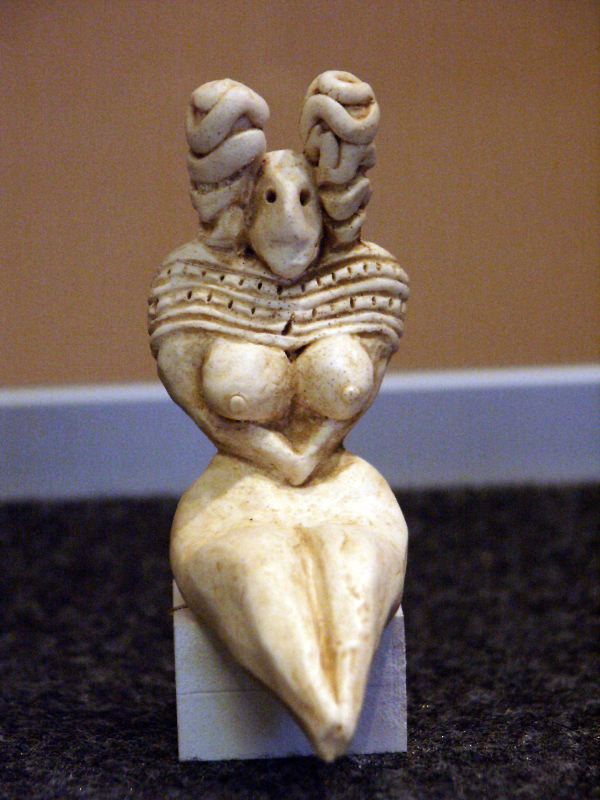
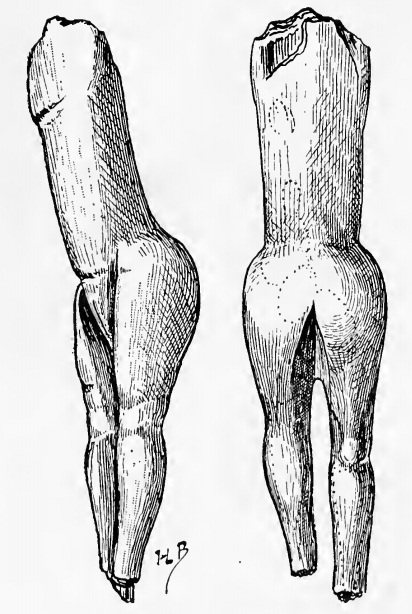
These figurines commonly emphasize secondary sexual characteristics: enlarged breasts, buttocks, and hips; some show apparent pregnancy or corpulence. The degree of anatomical detail varies from stylized and abstract to relatively naturalistic. Makers worked in a variety of media, including carved stone, bone and ivory, and modelled clay that was sometimes fired. The use of fired clay in some figurines represents one of the earliest known uses of ceramic technology in human prehistory.
Chronology, distribution and notable examples
Most Venus-type statuettes are associated with Upper Paleolithic cultures and are concentrated across Europe but extend into parts of western Asia and Siberia. Famous examples commonly cited in studies include the Venus of Willendorf and the Venus of Lespugue, among others. Two much older objects sometimes linked to human modification are the so-called Venus of Tan-Tan and the Venus of Berekhat Ram; these have been variously dated in broad ranges of hundreds of thousands of years and their anthropogenic status is debated.
Interpretations and scholarly debate
Scholars have proposed multiple, sometimes competing interpretations for what Venus figurines meant to their makers. Two of the most persistent hypotheses are that they are fertility symbols—either general emblems of human fertility or objects intended to encourage fertility—and that they represent female deities or cult figures. Other suggestions include self-representation by women, teaching models related to reproduction, portraiture, or objects with social or personal significance. Because these artifacts predate agriculture, links to agricultural fertility are usually excluded. The earliest and the very oldest claimed examples raise further questions: in some cases traces of pigment or tool marks have been reported, while in others natural processes might explain the shape.
Significance and distinctions
Venus figurines are important for the study of prehistoric cognition, symbolic behavior and artistic practice. They illustrate a recurrent interest in the female body across long spans of prehistory, but there is no single, universally accepted meaning. Distinctions among figurines—such as differences of scale, material, degree of realism, or context of discovery—feed interpretations about how, where and why they were made and used. Scholarly caution is common: many researchers emphasize multiple possible functions, cultural variability, and the limits of inference from small objects without written records.
Further reading and representative finds
- Overview of prehistoric figurines
- Distribution across Eurasia
- Examples from Siberia
- Venus of Tan-Tan
- Discovery context in Morocco
- Venus of Berekhat Ram
- Finds from the Golan Heights region
- Carving in bone and antler
- Ivory sculptures and techniques
- Fired-clay figurines and early ceramics
- Fertility interpretations
- Traces of pigment on Paleolithic objects
- Mineral traces associated with pigments
- Analyses of tool marks and modification
Questions and answers
Q: What are Venus figurines?
A: Venus figurines are figurines that show women, usually pregnant with visible breasts. They have been found in Western Europe to Siberia and most of them are around 30,000 years old.
Q: How old is the oldest known Venus figurine?
A: The oldest known Venus figurine is the Venus of Tan-Tan which has been dated to 500,000 to 300,000 years ago and was found in Morocco.
Q: What materials were used to make the figurines?
A: Different kinds of stone, bones and ivory were used to make the figurines. Some were also made of clay which was then burned in a fire - one of the earliest known traces of ceramics.
Q: What is not known about these figures today?
A: It is not currently known what these figures meant for the people who made them or why they were created.
Q: What are two interpretations for why they may have been made?
A: Two basic interpretations for why they may have been made include representing human fertility or being linked to goddesses as symbols of fertility.
Q: Why do scientists believe that they weren't linked to fertility fields? A: Scientists believe that these figures weren't linked to fertility fields because agriculture had not yet been discovered at this time period.
Q: How can it be determined if natural processes formed some of these figures? A: It can be determined if natural processes formed some of these figures by looking at traces left on them such as paint containing Iron and Manganese on the Venus Of Tan-Tan or tool marks on the figure from Berekhat Ram which suggest someone worked on it with a tool according to a study done in 1997.
Related articles
Author
AlegsaOnline.com Venus figurines: Paleolithic female statuettes and their interpretations Leandro Alegsa
URL: https://en.alegsaonline.com/art/104603
Sources
- news.bbc.co.uk : "'Oldest sculpture' found in Morocco"
- utexas.edu : "The Berekhat Ram figurine: a late Acheulian carving from the Middle East"