
Tropical Storm Tammy (2005): brief life and impacts on northeastern Florida
A short-lived tropical storm from the active 2005 Atlantic season that formed off Florida in early October, made landfall near Atlantic Beach, and caused mainly minor coastal and flood damage.
Overview
Tropical Storm Tammy was the nineteenth named storm of the exceptionally active 2005 Atlantic hurricane season. It was a short-lived system that existed for about two days in early October 2005, forming just off the Florida coast and moving generally northward before making landfall on the northeastern Florida coastline. For official advisories and post-storm summaries see season summary.
Image gallery
9 Images


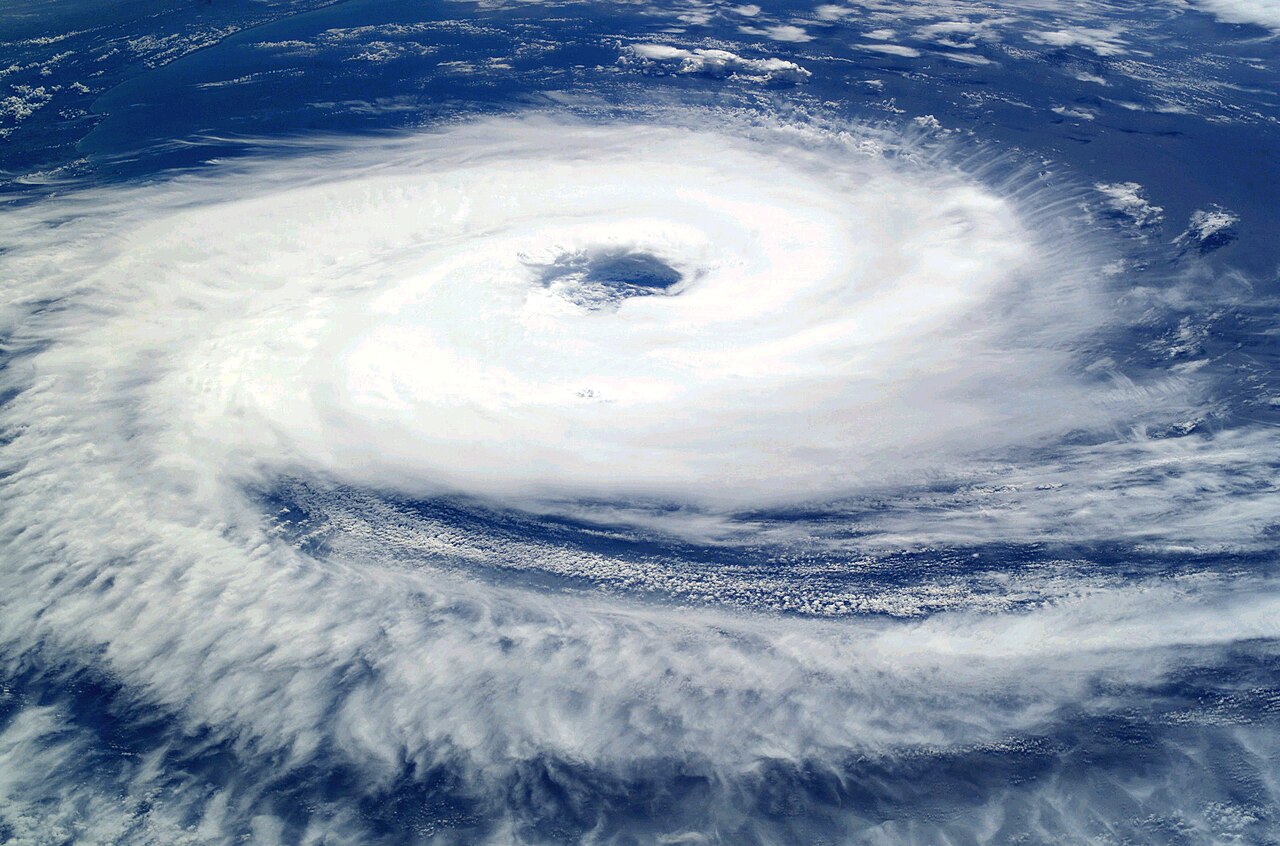

Meteorological history
Tammy developed from a well-defined non-tropical low near Florida on October 5, 2005. As the system acquired sufficient tropical characteristics it was designated a tropical storm. Maximum sustained winds reached approximately 50 mph (85 km/h) shortly before landfall. After moving ashore on October 6 near Atlantic Beach, Florida, the cyclone weakened rapidly and its remnants were later absorbed by an advancing cold front over the Gulf region. A timeline of advisories and analyses is available at advisory archive.
Characteristics
Tammy was a compact system with a relatively small wind field and a brief period of peak intensity. Unlike larger hurricanes, it lacked a well-developed eyewall or long-lived central dense overcast. Key characteristics include:
- Peak winds: near 50 mph (85 km/h).
- Duration: approximately two days as a tropical cyclone.
- Structure: transitioned from a non-tropical low and remained shallow and short-lived.
Further meteorological discussion and satellite imagery are referenced in the technical notes: storm analysis.
Impacts and response
Because of its small size and quick decay, Tammy produced mostly minor impacts along the southeastern U.S. coast. Local effects included heavy rain over portions of northeastern Florida, localized flooding, coastal erosion in exposed areas, and scattered power outages. Emergency response and recovery assistance for affected communities were coordinated locally and with federal support; reported federal emergency management expenditures and loss estimates were on the order of tens of millions of dollars according to post-storm reports. For damage and aid information see damage report.
Landfall and aftermath
Tammy made landfall near Atlantic Beach on October 6, and inland weakening was rapid. The residual low and associated moisture were drawn into a larger frontal system over the Gulf of Mexico and dissipated thereafter. Local coastal and municipal agencies reviewed shoreline impacts and recovery actions in the days following landfall; landfall specifics and local advisories are archived at landfall details and the post-absorption analysis is available at post-storm analysis.
Notable facts: Tammy is often cited as an example of a late-season, short-duration tropical storm that formed in close proximity to land, illustrating how even brief tropical cyclones can produce concentrated coastal and inland effects and require rapid local preparedness.
Questions and answers
Q: What is Tropical Storm Tammy?
A: Tropical Storm Tammy was the nineteenth named storm of the 2005 Atlantic hurricane season.
Q: How long did Tropical Storm Tammy exist?
A: Tropical Storm Tammy only existed for a total of two days.
Q: How strong did Tropical Storm Tammy peak?
A: Tropical Storm Tammy peaked with 50 mph (85 km/h) just before making landfall on the northern Florida coast.
Q: What damages did Tropical Storm Tammy bring to the southeastern United States?
A: Tropical Storm Tammy brought minor damages to the southeastern United States with losses from FEMA that totaled up to $30 million.
Q: How did Tropical Storm Tammy form?
A: Tropical Storm Tammy formed from a strong non-tropical low on October 5 just off the Floridan coast.
Q: Where did Tropical Storm Tammy make landfall?
A: Tropical Storm Tammy made landfall on Atlantic Beach, Florida on October 6 before dissipating shortly after.
Q: What happened to Tropical Storm Tammy's remnants?
A: Tropical Storm Tammy's remnants were absorbed by a cold front in the Gulf of Mexico.
Related articles
Author
AlegsaOnline.com Tropical Storm Tammy (2005): brief life and impacts on northeastern Florida Leandro Alegsa
URL: https://en.alegsaonline.com/art/101729
Sources
- fema.gov : fema.gov
- nhc.noaa.gov : "Tropical Cyclone Report: Tropical Storm Tammy"
- nhc.noaa.gov : "Discussion for Tropical Storm Tammy, 7:30 a.m. EDT, October 5 2005"
- nhc.noaa.gov : "Discussion for Tropical Storm Tammy, 11 a.m. EDT, October 6 2005"