
Tropical Storm Pabuk (2019)
Tropical Storm Pabuk formed at the end of 2018 and became the earliest recorded tropical cyclone to affect both the Western Pacific and North Indian Ocean basins, striking the Malay Peninsula in January 2019.
Tropical Storm Pabuk was a relatively weak but notable tropical cyclone that formed at the end of December 2018 and persisted into January 2019. It is remembered chiefly for being the earliest recorded storm to affect both the Western North Pacific and the North Indian Ocean basins, and for bringing heavy rain, flooding, and disruptive weather to parts of the Malay Peninsula in early January 2019.
Image gallery
7 Images


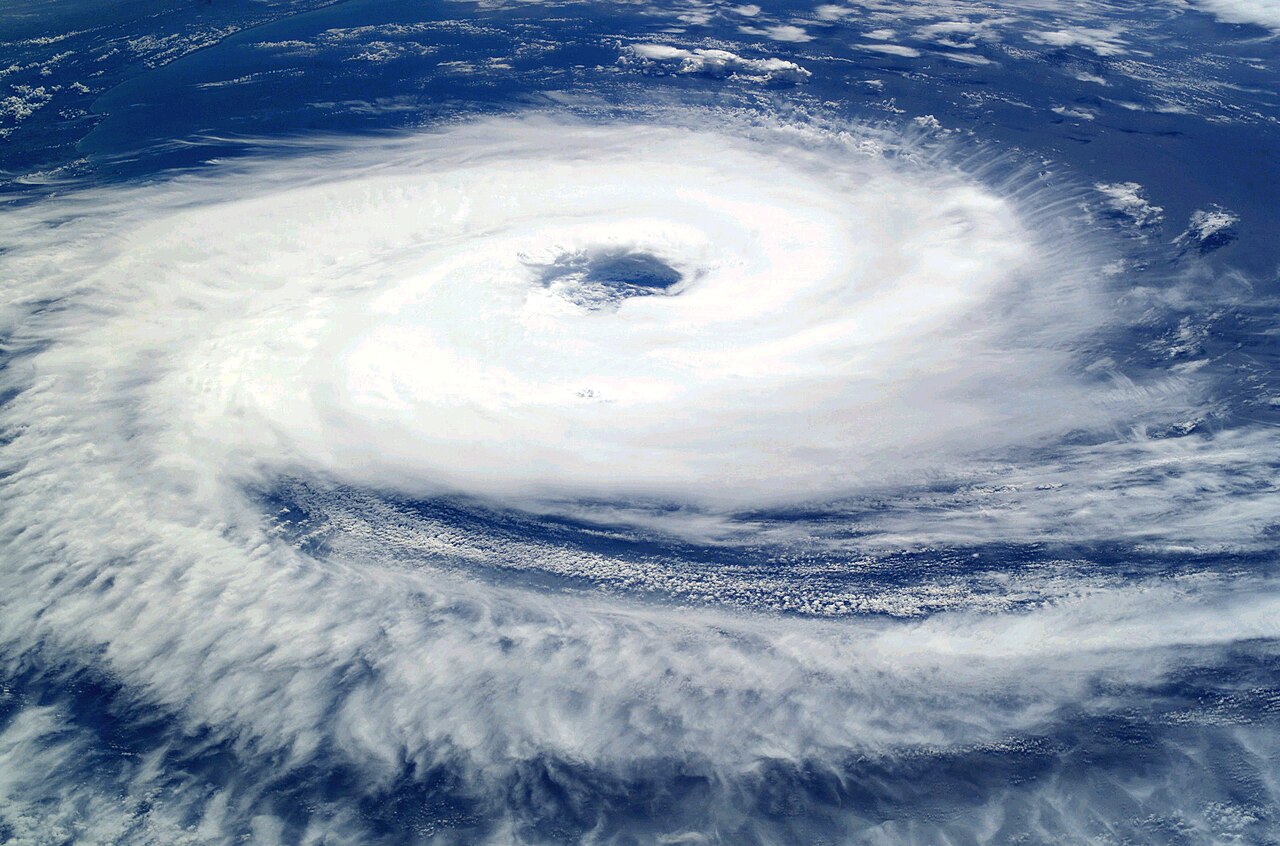

Meteorological history
Pabuk began as a small tropical disturbance in the South China Sea in late December 2018 and was classified as a tropical depression on December 31. Over the following days the system organized modestly, achieved tropical storm strength, and tracked generally westward. It moved across the Gulf of Thailand and into the Bay of Bengal region, a cross-basin trajectory that is uncommon for tropical cyclones in this part of the world.
Characteristics
- Intensity: Pabuk remained a weak to moderate tropical storm rather than intensifying into a typhoon or major cyclone.
- Structure: The system produced widespread convective rainbands and gusty winds typical of tropical storms, with more significant impacts from heavy rainfall than from sustained hurricane-force winds.
- Track: Its westward movement across the Malay Peninsula and into the North Indian Ocean basin marked a rare cross-basin event.
Impacts and response
Pabuk affected coastal areas of southern Thailand and Malaysia, prompting authorities to issue warnings, evacuations, and maritime restrictions. The storm disrupted ferry services and tourism in island destinations, suspended some offshore operations, and caused localized flooding and damage to infrastructure. Emergency services mounted search, rescue, and relief operations where needed, and communities were urged to avoid coastal and flood-prone areas until conditions eased.
Significance and aftermath
While not a powerful cyclone in meteorological terms, Pabuk was significant because of its timing and path. It was the first named storm of the 2019 tropical cyclone seasons for the relevant basins and set a record for early-season formation and cross-basin movement. The event highlighted the need for year-round readiness in coastal regions and for coordination between meteorological agencies when systems move between basins.
Notable facts
- Pabuk formed on the last day of 2018 and continued into 2019, making it chronologically associated with both years.
- Crossing from the Western Pacific area of responsibility into the North Indian Ocean is a relatively rare behavior for tropical cyclones in this region.
- The storm emphasized that even relatively weak tropical systems can have outsized effects through rainfall, flooding, and disruption to marine and coastal activities.
Questions and answers
Q: What was Tropical Storm Pabuk?
A: Tropical Storm Pabuk was a weak storm that hit the Malay Peninsula in January 2019, and was the earliest storm recorded in both the Western Pacific and North Indian Ocean basins.
Q: When did Tropical Storm Pabuk form?
A: Tropical Storm Pabuk formed on the last day of 2018.
Q: In which basins did Tropical Storm Pabuk occur?
A: Tropical Storm Pabuk occurred in both the Western Pacific and North Indian Ocean basins.
Q: When did Pabuk cross into the North Indian Ocean basin?
A: Pabuk crossed into the North Indian Ocean basin several days after forming on the last day of December 2018.
Q: When did Pabuk become a tropical depression?
A: Pabuk became a tropical depression on December 31, 2018, after first appearing as a tropical disturbance in the South China Sea on December 28, 2018.
Q: Was Tropical Storm Pabuk a strong storm?
A: No, Tropical Storm Pabuk was a weak storm.
Q: What was the significance of Tropical Storm Pabuk?
A: Tropical Storm Pabuk was significant as it was the earliest-recorded storm in both the Western Pacific and North Indian Ocean basins.
Related articles
Author
AlegsaOnline.com Tropical Storm Pabuk (2019) Leandro Alegsa
URL: https://en.alegsaonline.com/art/101727
Sources
- nrlmry.navy.mil : "97W INVEST" · webcitation.org
- tgftp.nws.noaa.gov : "Tropical Depression 35W (Thirtyfive) Warning Nr 023" · webcitation.org
- tgftp.nws.noaa.gov : "WTPQ20 RJTD 310600 RSMC Tropical Cyclone Advisory" · webcitation.org
- rsmcnewdelhi.imd.gov.in : "Tropical Cyclone Advisory Bulletin No. 1"
- cnn.com : "Storm kills 3 in Thailand, moves into Andaman Sea"
- thethaiger.com : "Thai preparedness limits Pabuk damage"
- apnews.com : "Thailand braces for powerful storm at southern beach towns"