
Corpus Christi, Texas: Coastal city, port, economy and history
Corpus Christi, Texas — a Gulf Coast city with a major port, petrochemical industry, growing population and diverse tourism. Overview, history, economy, landmarks, and civic profile.
Corpus Christi, Texas is a mid-to-large city on the southern coast of the United States, situated along the shore of the Gulf of Mexico. Its location on a broad bay and barrier-island coastline shapes its climate, economy and culture. Known for beaches, a working port and an expanding metropolitan area, the city has experienced steady growth in population and regional importance over recent decades.
Image gallery
10 Images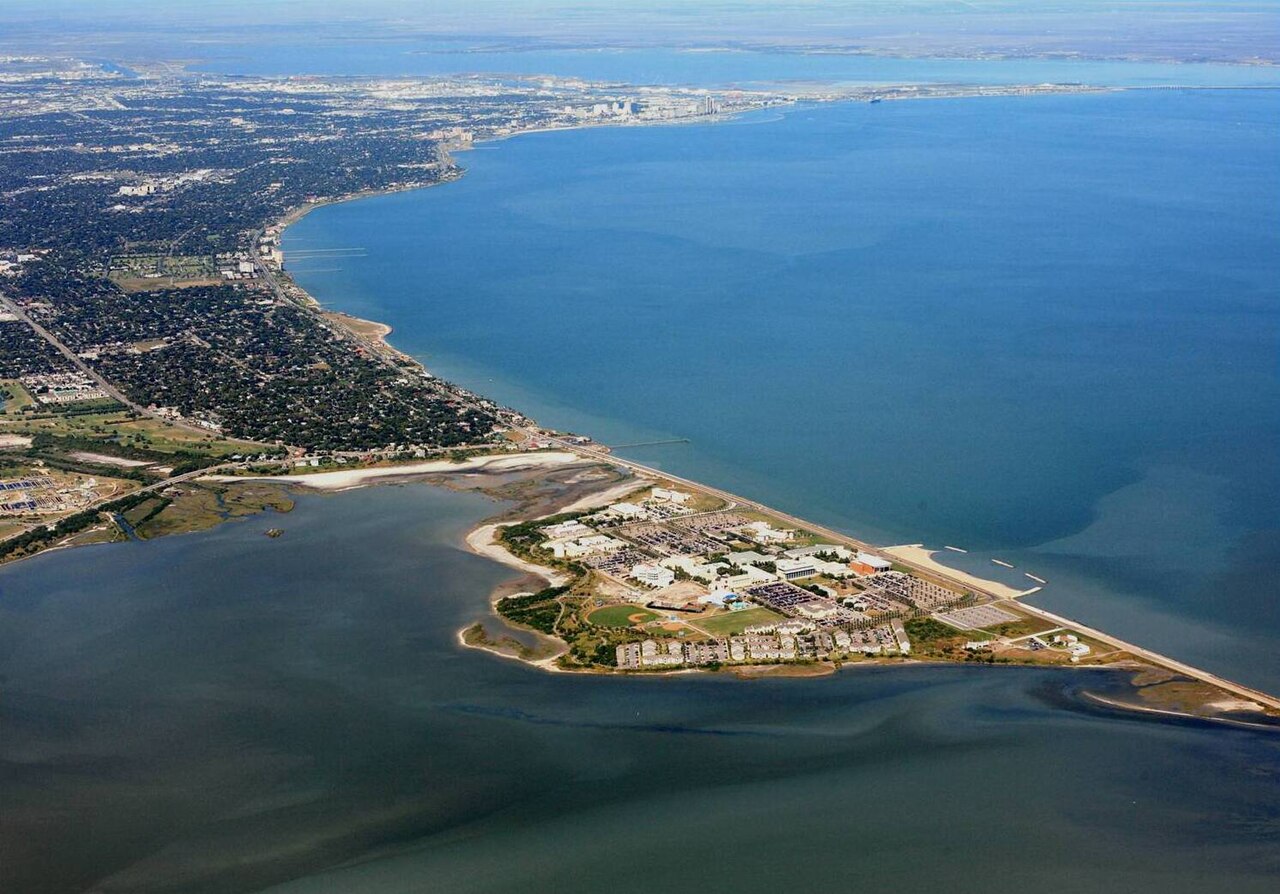





Geography and character
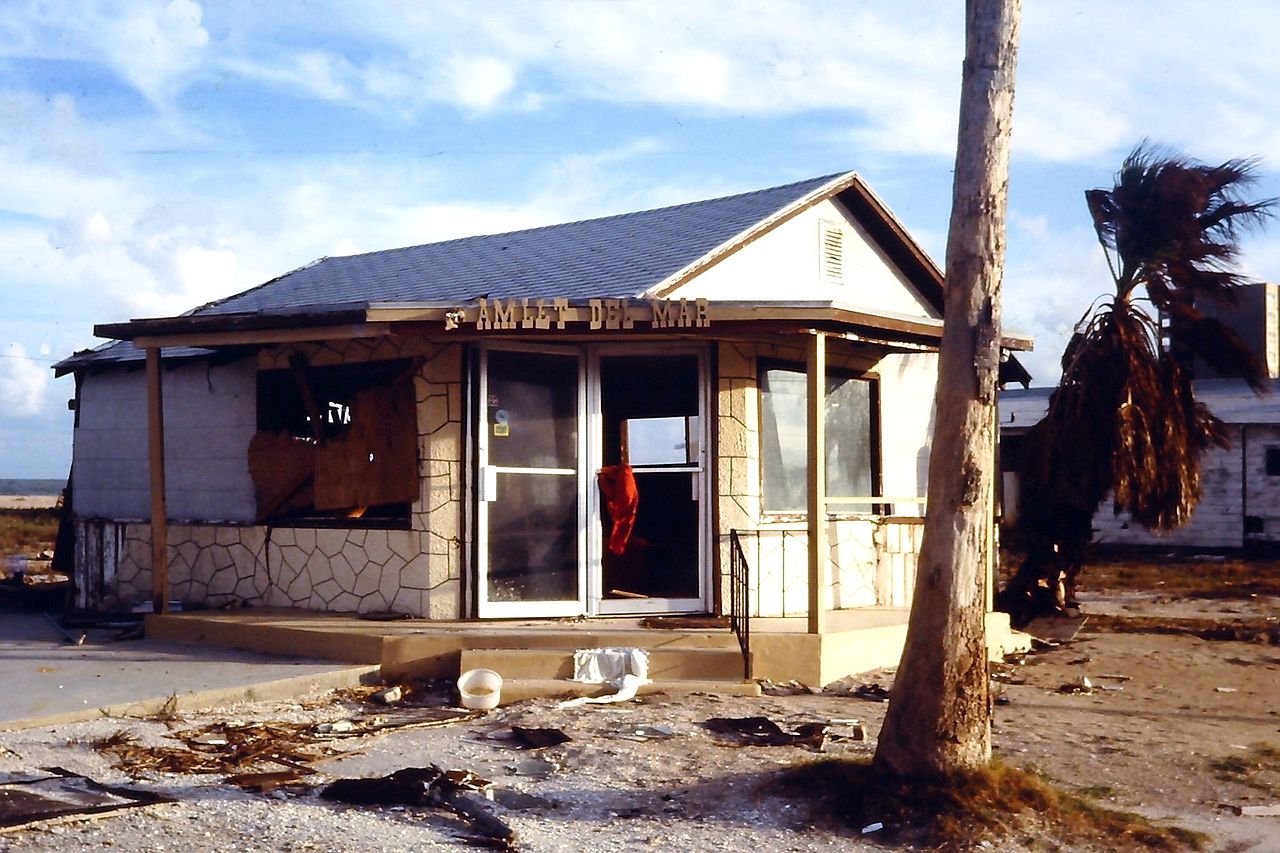
The city occupies coastal plains, wetlands and islands that create a mix of urban areas, industrial corridors and protected natural habitat. Corpus Christi Bay, Nueces Bay and nearby barrier islands provide sheltered waters for shipping and recreation. The climate is humid subtropical with hot summers, mild winters and occasional tropical storms. The Port of Corpus Christi is a major element of the waterfront, handling bulk cargo, energy products and imports for a broad inland region.
Origins and development
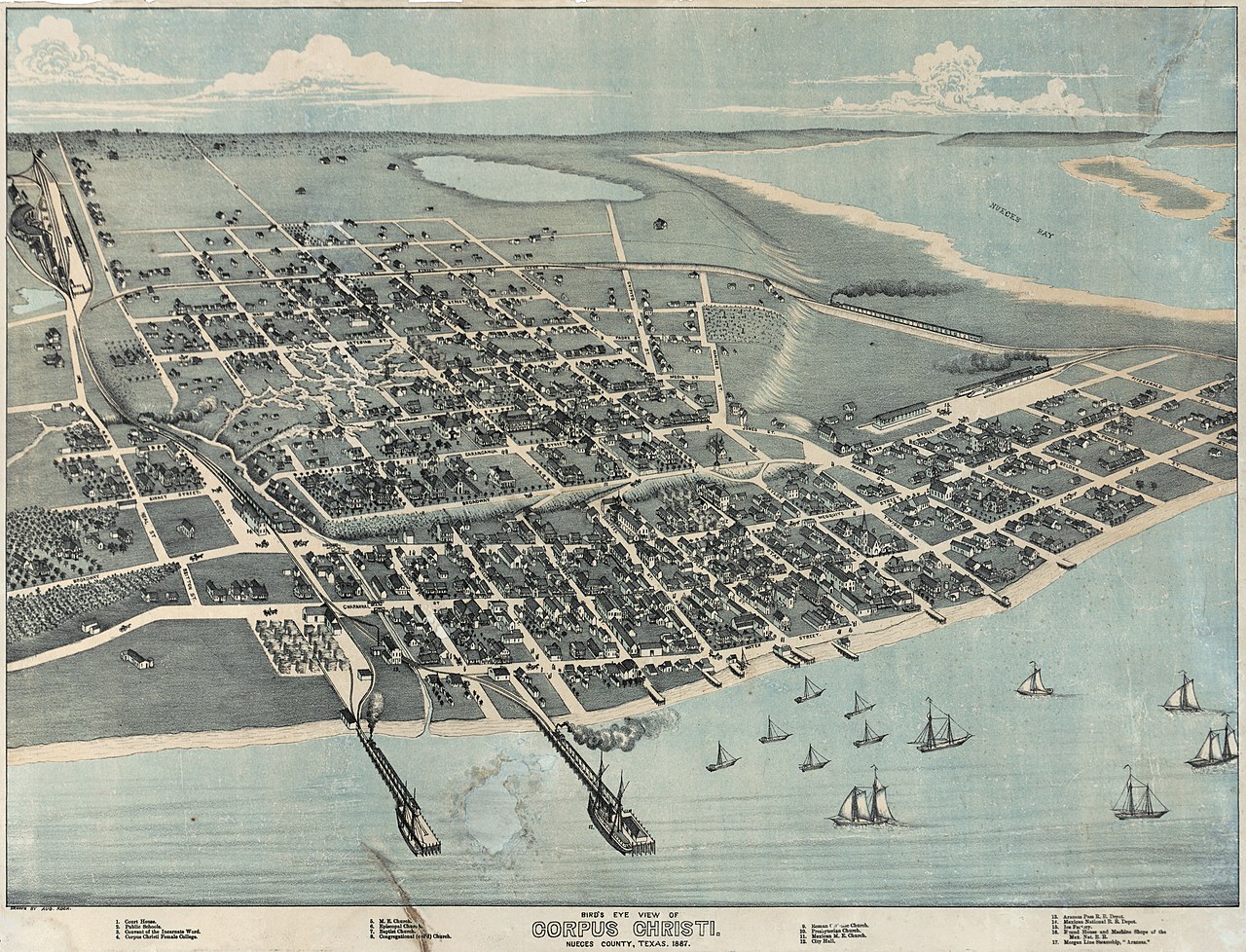
The settlement began in the early 19th century. It was first called Kinney's Ranch and later adopted the name Corpus Christi; records show the name in use by 1847. Over time the town grew from a small port and trading post to a regional center for commerce, shipping and later industrial development tied to oil and gas discoveries in Texas.
Economy and infrastructure
Industry and services both play large roles in the local economy. The area around Corpus Christi supports:
- Energy and petrochemical operations including petroleum production and processing;
- Refining and chemical manufacturing, connected to regional pipelines and the refining network;
- Maritime commerce through the Port of Corpus Christi and associated logistics;
- Services, education and a sizeable tourism sector driven by beaches, sport fishing and cultural attractions.
Culture, tourism and notable sites
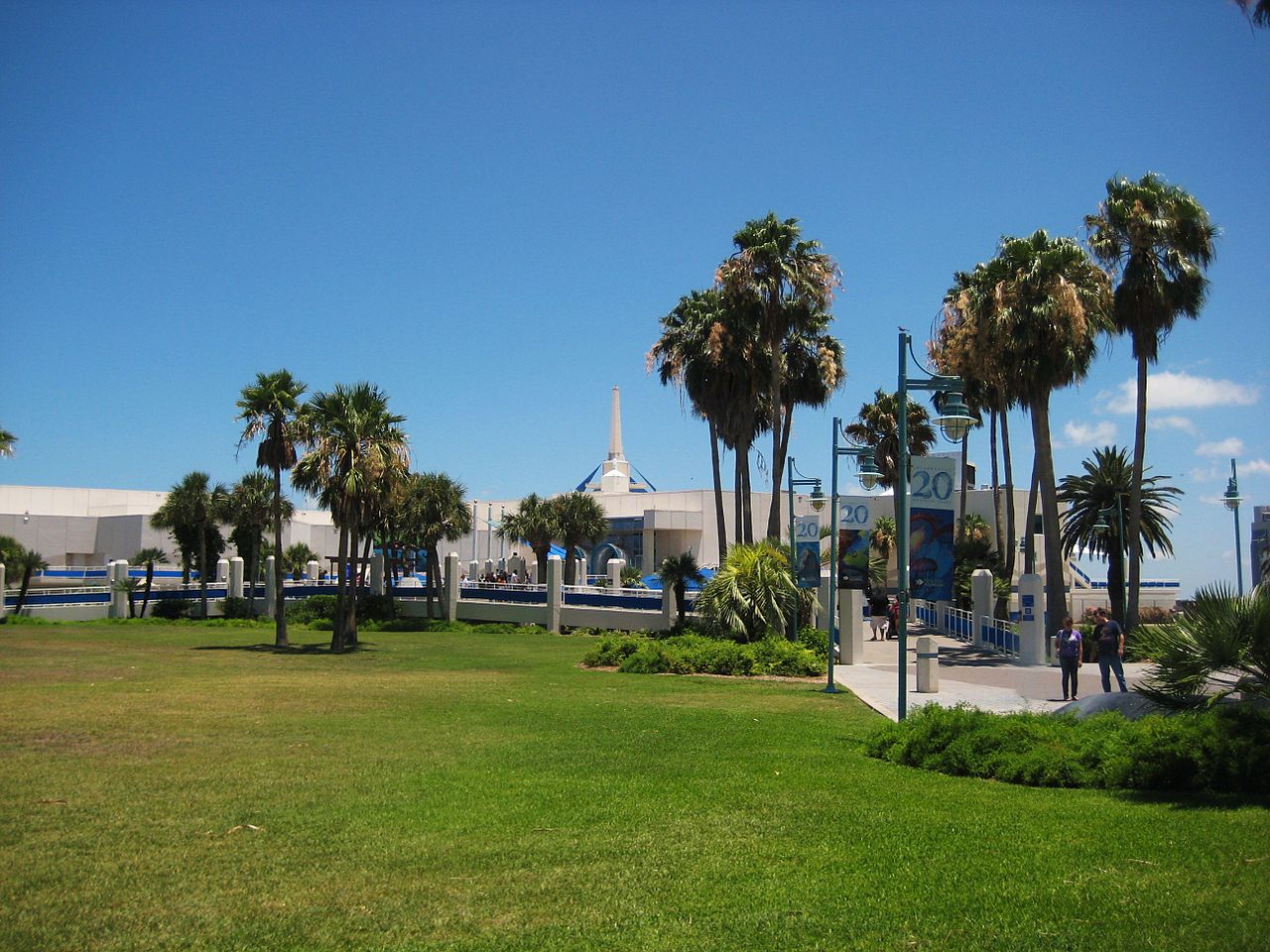
Visitors and residents cite beaches, birding, museums and waterways as main attractions. Popular activities include recreational fishing, wind and water sports, and visits to museums and nature preserves. The city supports a mix of local festivals, historic neighborhoods and waterfront redevelopment that aim to balance tourism with industrial uses.
Corpus Christi’s mix of coastal environment, port facilities and industry makes it a significant Gulf Coast hub. For civic planning, economic development and environmental management the city continues to navigate challenges common to coastal urban centers: storm resilience, habitat conservation and sustaining a diversified local economy. For more information on municipal services and regional plans see local resources and regional economic profiles referenced by government and business organizations.
Learn more about the local economy or consult municipal and tourism guides for visiting details.
Related articles
Author
AlegsaOnline.com Corpus Christi, Texas: Coastal city, port, economy and history Leandro Alegsa
URL: https://en.alegsaonline.com/art/23224