
Trinity Hall, Cambridge: history, architecture, student life and notable associations
A concise overview of Trinity Hall, a historic Cambridge college: its foundation in 1350, riverside site and buildings, academic focus, rowing tradition, and notable people associated with it.
Trinity Hall is one of the constituent colleges of the University of Cambridge in England. Founded in the mid-14th century, it is among the older colleges of the university and retains a distinct identity shaped by its early purpose, riverside location and combination of medieval and later architecture. The college is commonly referred to informally as "Tit Hall" by some students and alumni.
Image gallery
10 Images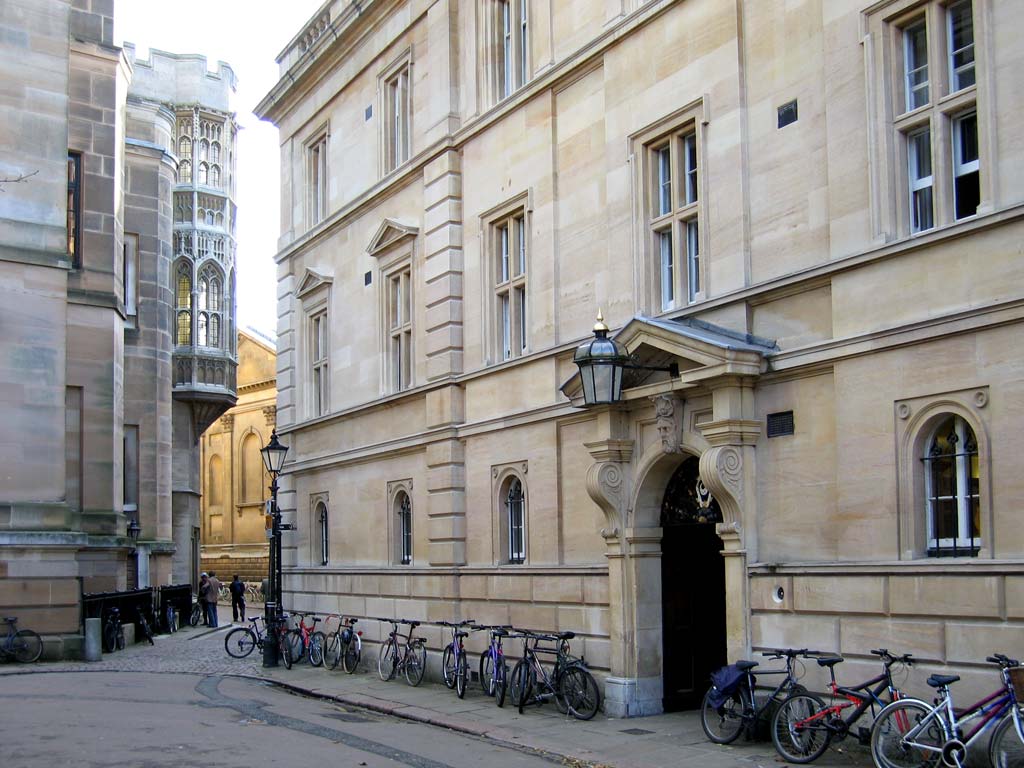




Origins and early purpose
Trinity Hall was established in 1350 by William Bateman, the Bishop of Norwich, who endowed the college to provide training and support for students in canon and civil law. The foundation was part of a wider response to the severe demographic and social disruption caused by the Black Death, which had reduced the number of clergy and left a need for legally trained church and civic officials. The college’s original statutes and early endowments reflected that emphasis on legal studies.
Buildings and setting
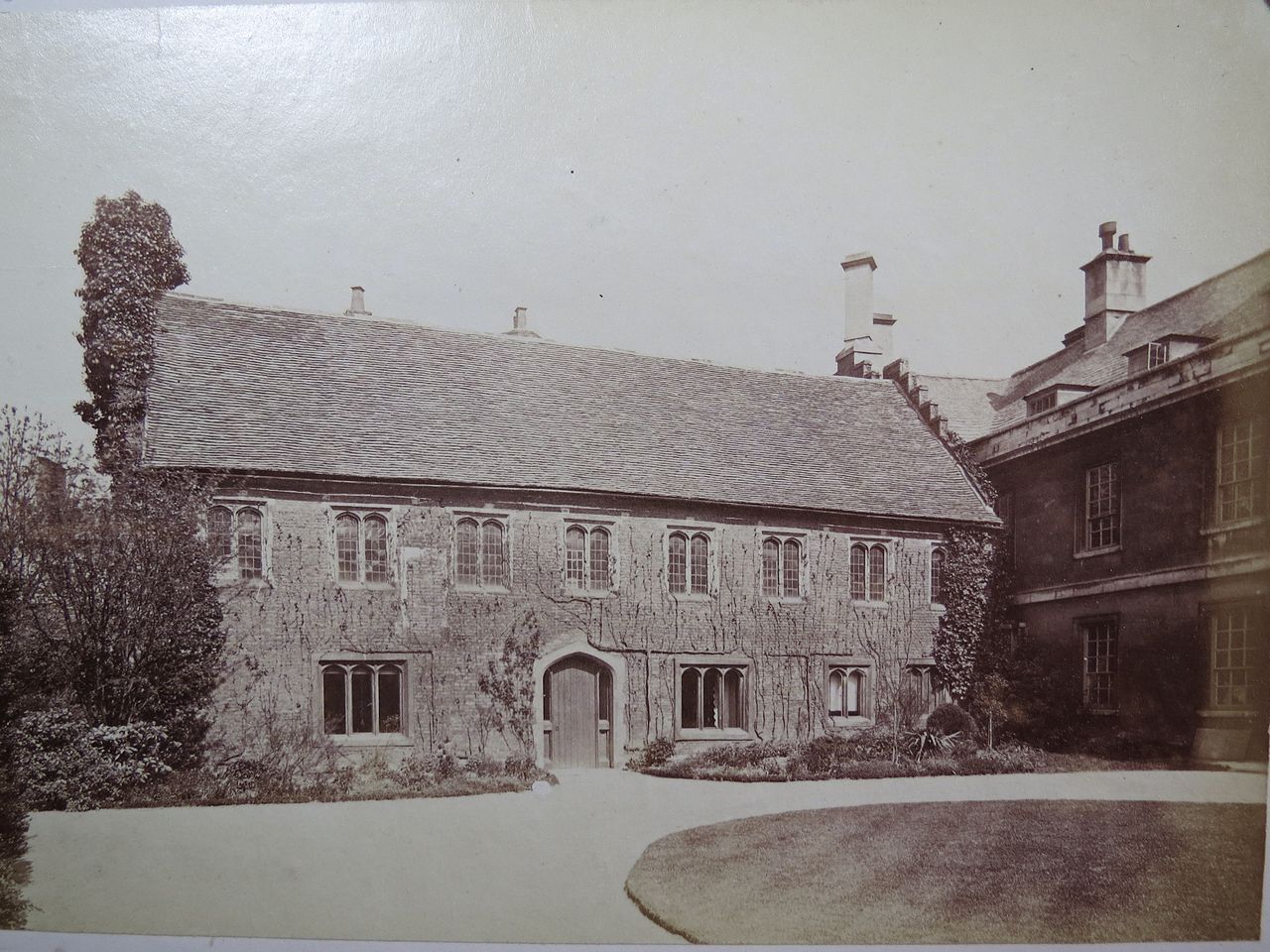
The college occupies a compact site beside the River Cam, with quads, chapels and domestic ranges arranged around courts rather than on a single linear campus. Over the centuries Trinity Hall has acquired buildings from different periods: medieval halls and gates, later eighteenth- and nineteenth-century residential ranges, and modern additions. One notable modern addition is the Jerwood Library, constructed close to the river; its appearance and riverside siting have made it a recognizable recent landmark of the college.
Academic life and student community
Historically focused on law, Trinity Hall today provides teaching and supervision across a broad range of subjects offered at the university. The college supports undergraduates and postgraduates with accommodation, libraries, common rooms and academic mentoring. Its modest size relative to some other Cambridge colleges fosters a communal atmosphere, with formal halls, clubs and societies forming an active part of student life.
Sport, rowing and extracurriculars
Rowing is a long-standing element of life at many Cambridge colleges, and Trinity Hall has an active boat club on the Cam. The club has produced successful crews and a number of rowers who have competed at national and international levels; the college’s riverside location and boathouse facilities contribute to that tradition. Beyond rowing, students participate in music, drama, debating and a variety of recreational and academic societies.
Notable associations and alumni
Over the centuries Trinity Hall has been associated with lawyers, clerics, scholars and public figures. Lists of people linked to the college often include authors and actors as well as athletes. For example, the writer J. B. Priestley and the actress Rachel Weisz are frequently mentioned in accounts of the college’s former students. Public mentions also sometimes include eminent Cambridge figures such as Stephen Hawking, though his primary associations are usually recorded with other Cambridge institutions. Trinity Hall alumni have also been connected with competitive rowing, and the college community celebrates those sporting achievements.
Distinguishing features and legacy
- Foundation aimed at legal education (canon and civil law): canon law.
- Medieval origins and riverside setting along the Cam, contributing to a compact collegiate layout.
- Modern library building and amenities that support research and student life, including the notable Jerwood Library.
- Active extracurricular life with a strong rowing tradition and alumni in arts and public life; references to awards and honours appear in discussions of former students (for instance, connections to an Academy Award–winning performer).
Trinity Hall’s long history, combined with its focused size and picturesque riverside position, gives it a distinctive place among Cambridge colleges. Visitors and prospective students are often drawn to its mix of medieval character and modern facilities, together with the college’s continuing academic and sporting traditions. For further details and official information consult the college’s own resources or university guides.
Related articles
Author
AlegsaOnline.com Trinity Hall, Cambridge: history, architecture, student life and notable associations Leandro Alegsa
URL: https://en.alegsaonline.com/art/101542