
Trivium (Liberal Arts): grammar, logic, and rhetoric
The trivium is the classical trio of liberal arts—grammar, logic, and rhetoric—that formed the foundational curriculum in antiquity and the medieval university before advancing to the quadrivium.
Overview
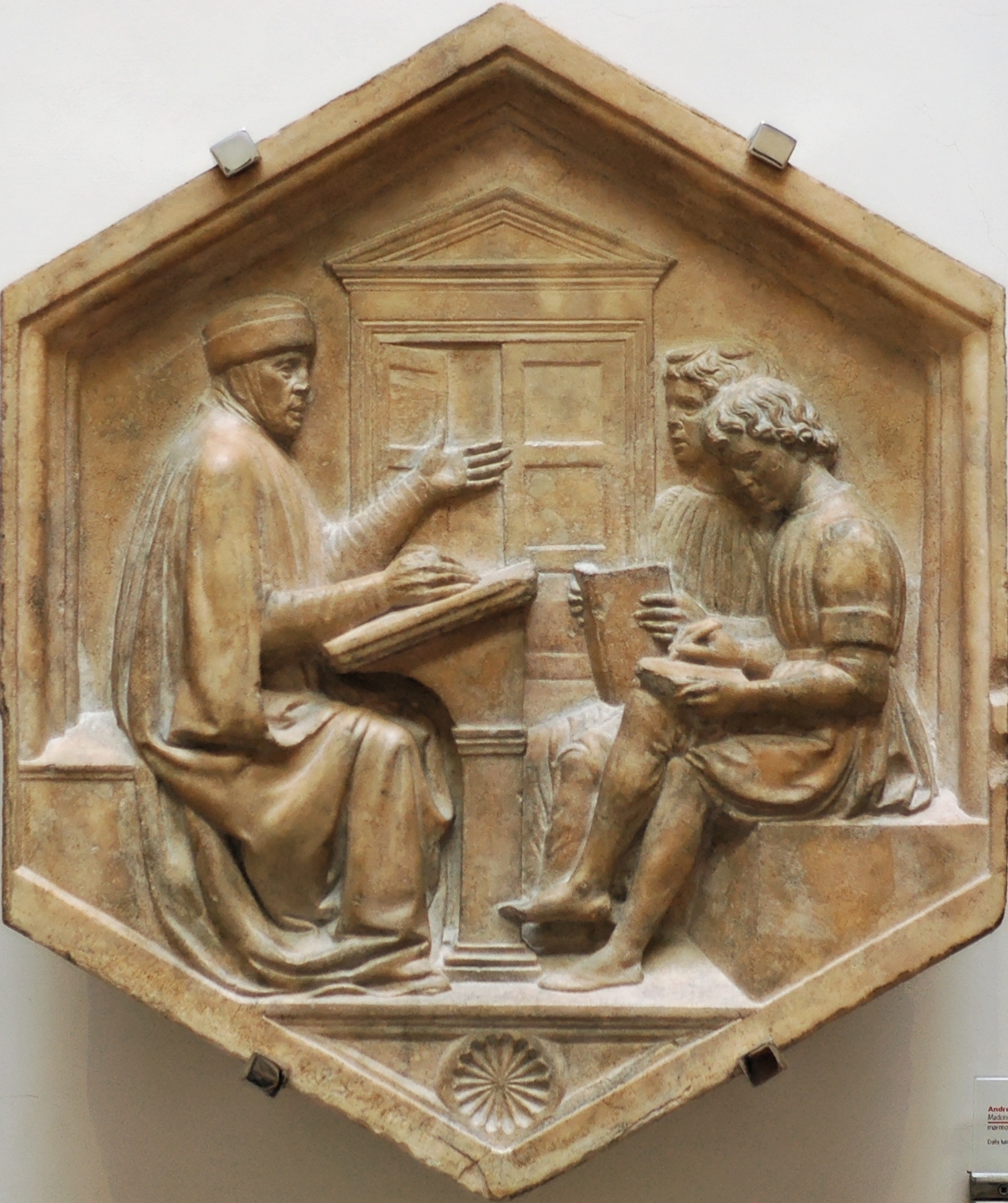
The trivium is the traditional name for the three foundational liberal arts of classical and medieval education: grammar, logic, and rhetoric. It served as the introductory curriculum that prepared students for further study. In historical contexts such as antiquity and the High Middle Ages, the trivium was often taught in institutions that developed into what we now call the university. Together with the four numerical arts of the quadrivium, the trivium composed the seven liberal arts that structured much of Western scholarly training before specialization into disciplines such as theology, law and medicine.
Image gallery
3 Images

Components and aims
The three parts of the trivium each addressed a distinct skill set linked to language and thought. These were:
- Grammar — the study of linguistic rules, textual transmission, and correct expression; intended to enable accurate reading and writing of authoritative texts.
- Logic — sometimes called dialectic; concerned with argumentation, inference, and the structures of reasoning used to analyze propositions.
- Rhetoric — the art of persuasive speaking and writing, emphasizing arrangement, style, and methods for influencing audiences.
Historical development
The trivium concept has roots in ancient educational practice and in the curricula of late antiquity, where grammarians and sophists taught language and argument. During the medieval period these arts were systematized within cathedral and monastic schools and then within emerging universities. Students typically completed the trivium before moving on to the quadrivium topics—arithmetic, geometry, music, and astronomy—which emphasized numerical and scientific study.
Uses and significance
Historically, mastery of the trivium was seen as the intellectual foundation for advanced study in fields such as theology, law and philosophy. The skills promoted clear reading of classical texts, disciplined reasoning, and effective communication—capacities valued across public life, administration and the clergy. In later centuries, aspects of the trivium persisted in rhetorical education, law schools and humanist curricula.
Modern perspectives and distinctions
Contemporary educators sometimes revive trivium ideas to emphasize critical thinking and expressive skills. While modern schooling often integrates grammar, logic and rhetoric into broader language arts and critical thinking programs, the historical trivium differed from modern discipline-based curricula by treating these arts as a coherent preparatory stage rather than discrete vocational training. Notable distinctions include the trivium's explicit focus on verbal and conceptual forms of knowledge, contrasted with the quadrivium's quantitative orientation.
Notable facts
Although the trivium is an ancient framework, its influence is visible in many later pedagogical reforms and in rhetorical theory. For further study on classical and medieval educational practices consult surveys of ancient pedagogy and histories of the medieval university, which explain how the trivium and quadrivium functioned within a broader intellectual culture.
Questions and answers
Q: What does the word trivium mean?
A: The word trivium comes from Latin and is made up of two parts: tres meaning "three" and vía meaning "way."
Q: How were young men taught in antiquity and the High Middle Ages?
A: Young men were taught in different ways at the university in antiquity and the High Middle Ages.
Q: What was the trivium?
A: The trivium were the three simplest ways to study the world, and so young men learned them first.
Q: What did young men study after the trivium?
A: After the trivium, young men studied the quadrivium.
Q: What were grammar, logic, and rhetoric?
A: Grammar, logic, and rhetoric were the three subjects that made up the trivium. They were ways of preparing for the quadrivium.
Q: What did the quadrivium include?
A: The quadrivium included arithmetic, geometry, music, and astronomy.
Q: What was the most difficult subject studied?
A: The most difficult subject studied was theology.
Related articles
Author
AlegsaOnline.com Trivium (Liberal Arts): grammar, logic, and rhetoric Leandro Alegsa
URL: https://en.alegsaonline.com/art/101599