
J. B. Priestley
English novelist, playwright and broadcaster (1894–1984) known for The Good Companions, An Inspector Calls and essays on social issues; a public intellectual who explored time, memory and social change.
John Boynton Priestley OM (13 September 1894 – 14 August 1984) was an English writer and public intellectual widely known as J. B. Priestley. Born in Bradford and later resident in Stratford-upon-Avon, he produced novels, plays, essays and radio broadcasts that reached broad audiences. He combined fiction with social commentary and became an influential voice in mid-20th-century Britain.
Image gallery
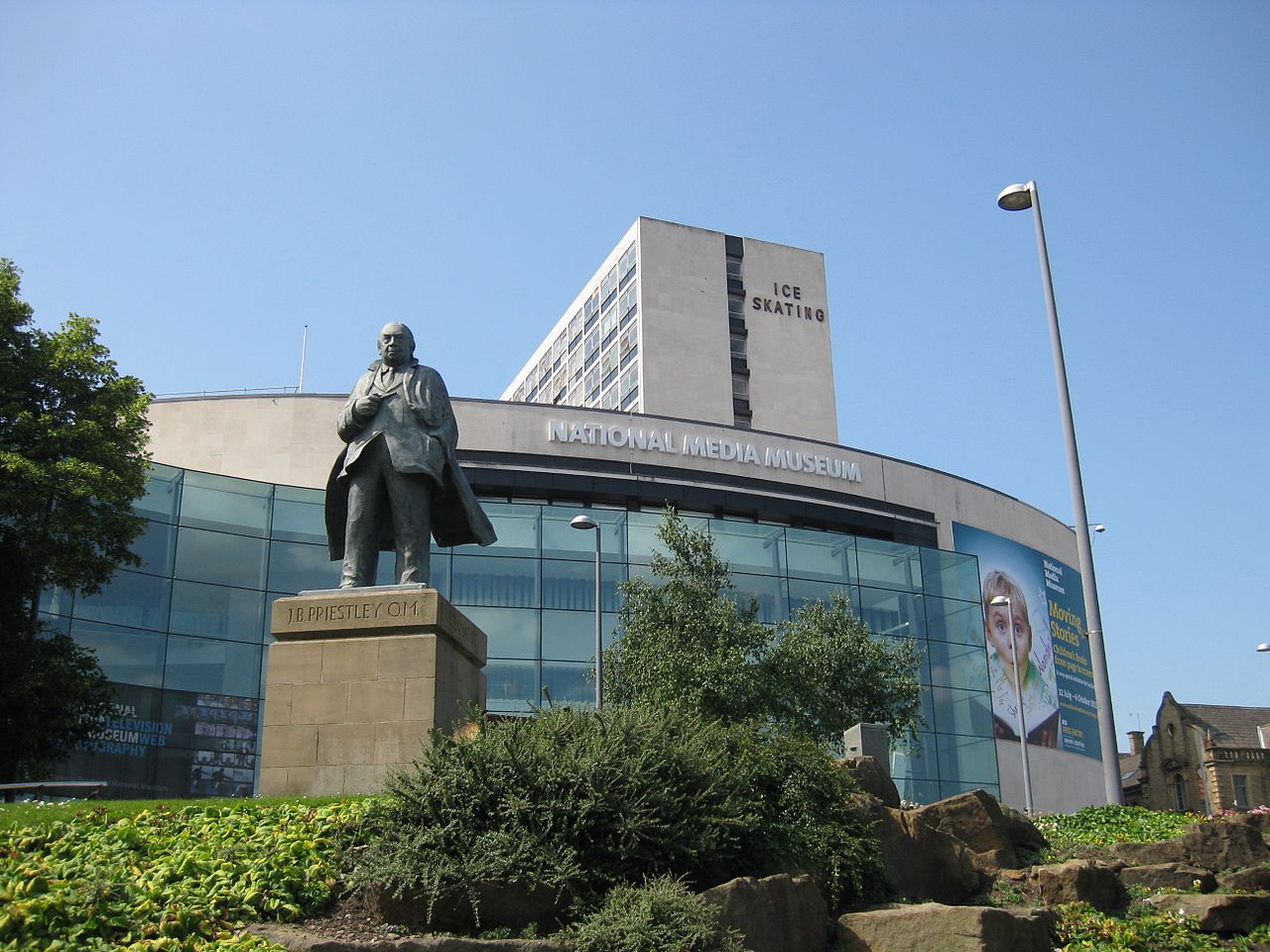
4 Images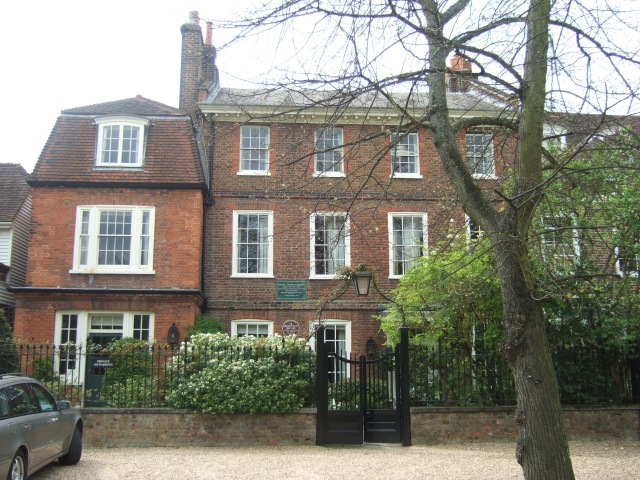


Early life and influences
Priestley grew up in an industrial Yorkshire environment that shaped much of his social awareness. His early experiences and the traumas of the First World War informed themes of community, class and the passage of time in his work. He trained and worked briefly outside literature before establishing himself as a professional writer.
Main genres and themes
He wrote novels, stage plays and critical essays, and developed a dramatic interest in time and memory that appears in several stage works. His output included novels and shorter fiction, plays that range from popular entertainments to more formally experimental pieces, and journalism and cultural criticism that debated society and politics.
Notable works
- The Good Companions (1929) — a popular novel that brought him wide recognition.
- An Inspector Calls (1945/1946) — a stage drama combining a moral fable with social critique.
- Plays about time, including works like Time and the Conways and other experiments in dramatic structure.
- Essays and travel writing, notably pieces that reflect on English life and social conditions.
Broadcasting and public role
During and after the Second World War Priestley made frequent radio broadcasts and public appearances, using the medium to address contemporary issues and to advocate social reform. His popularity as a broadcaster helped cement his reputation beyond literary circles and made him a recognisable public figure.
Legacy and assessment
Priestley is remembered for a wide and varied body of work that mixes accessible storytelling with moral and social concern. Critics have praised his eye for character and scene, while noting that his political engagement—support for welfare policies and public debate—was as important to his legacy as his fiction. For introductions to his life and writings see biographical summaries and collections of his essays and plays available through reference sources, including entries that cover his birth in Bradford and later life in Stratford-upon-Avon (biographical note). For a general overview of his career as a writer and public figure see literary profiles and curated lists of his works (novels, plays).
Related articles
Author
AlegsaOnline.com J. B. Priestley Leandro Alegsa
URL: https://en.alegsaonline.com/art/48797