
Tufts University — private research university in Massachusetts
Tufts University is a private research university founded in 1852. Known for internationalism, strong professional schools and a multi-campus presence in the Boston area, it blends liberal arts and research.
Overview
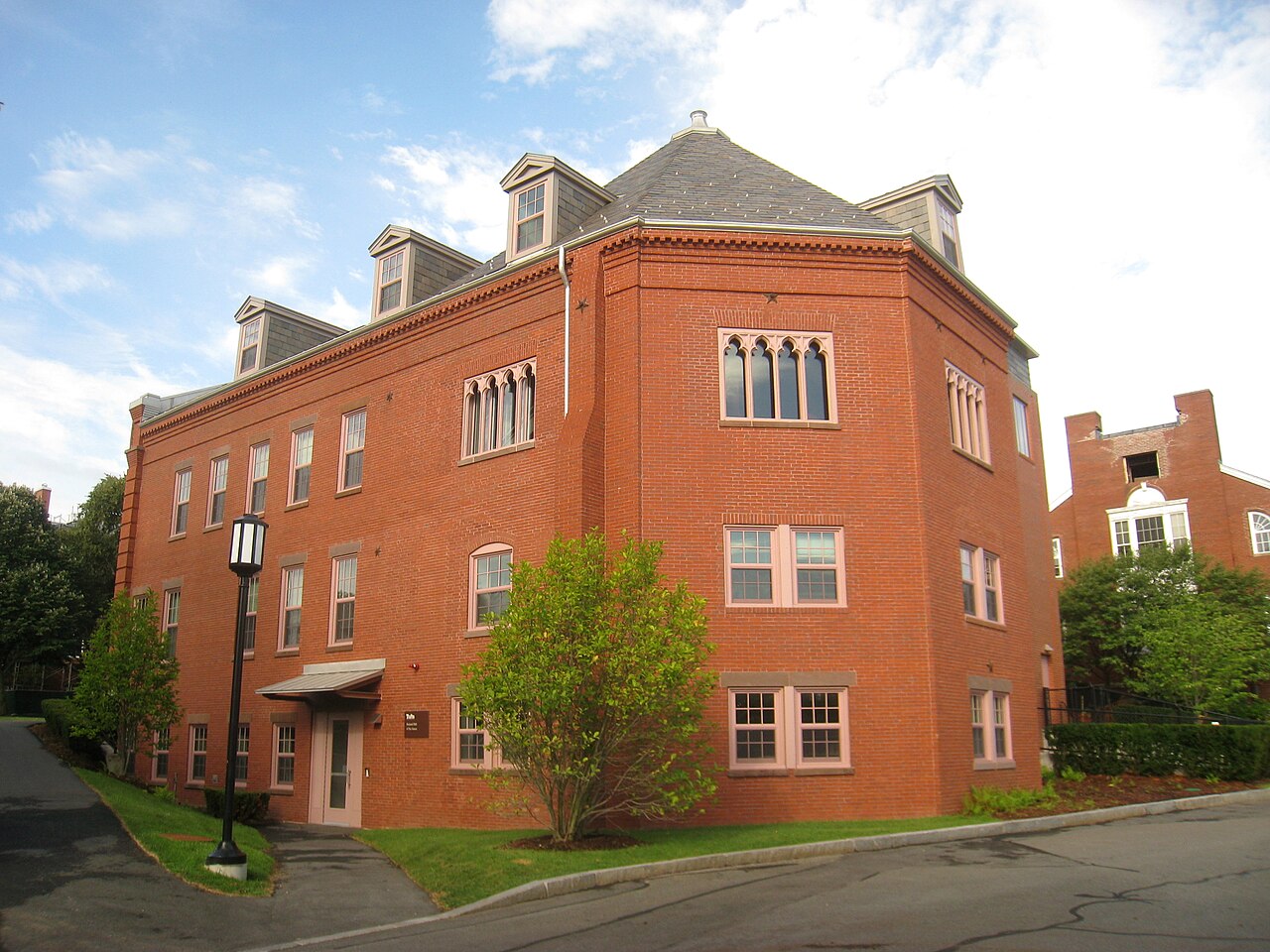
Tufts University is a private research institution with roots in the Boston area. Founded in 1852 by proponents of Christian Universalism, it evolved from a small liberal arts college into a comprehensive university emphasizing research, professional education, and global engagement. The university is commonly associated with campuses in Medford and Somerville, and maintains a prominent presence in downtown Boston.
Image gallery
10 Images






History and development
Originally established as a small New England liberal arts college in the mid-19th century, Tufts expanded steadily through the 20th century. A significant transformation occurred in the late 20th century when the institution broadened its graduate and research programs, added professional schools, and increased its emphasis on interdisciplinary scholarship. This shift reshaped Tufts from a regional college into a nationally recognized research university.
Campuses and constituent schools
Tufts operates several campuses that house different academic units. The main Medford/Somerville campus hosts undergraduate programs and many graduate departments, while the university’s downtown Boston location is home to clinical and health-related schools.
- School of Arts and Sciences — liberal arts, humanities, social sciences and natural sciences.
- School of Engineering — undergraduate and graduate engineering programs emphasizing applied research.
- School of Medicine, School of Dental Medicine, and Friedman School of Nutrition Science and Policy — primarily located in Boston and focused on clinical education and biomedical research.
- The Fletcher School — an internationally oriented graduate school for diplomacy and international affairs; Tisch College for civic life and community engagement also contributes to public-facing programs.
Academics, research and teaching
Tufts combines undergraduate liberal arts education with professional training and research. Faculty engage in a range of scholarly work, from biomedical and public health research to international policy and engineering innovation. The university supports interdisciplinary centers and encourages collaboration between departments, clinical units, and external partners.
Internationalism, study abroad and community engagement
International perspectives are a distinctive feature of Tufts. The university promotes study abroad opportunities, global research collaborations, and programs in international relations and development. Civic engagement and public service are emphasized through experiential learning, community partnerships, and initiatives that connect students with local and global challenges.
Notable characteristics and distinctions
Tufts is recognized for blending liberal arts teaching with professional schools and research activities. Its multiple campuses allow a mix of residential undergraduate life and urban clinical training. The institution often highlights cross-disciplinary programs, a global outlook, and a commitment to public service as central elements of its identity.
For more information about specific programs, campus services, and admissions, consult official university sources or campus guides.
Related articles
Author
AlegsaOnline.com Tufts University — private research university in Massachusetts Leandro Alegsa
URL: https://en.alegsaonline.com/art/101956
Sources
- nacubo.org : "U.S. and Canadian Institutions Listed by Fiscal Year (FY) 2019 Endowment Market Value and Change in Endowment Market Value from FY 2018 to FY 2019"
- provost.tufts.edu : "Tufts University Fast Facts"
- communications.tufts.edu : Tufts Branding Guidelines
- naicu.edu : NAICU – Member Directory
- tufts.edu : "Get to Know Tufts > History — Jumbo the Elephant, Tufts' Mascot"
- dl.tufts.edu : "Tufts University, 1852" · web.archive.org