
Tuskegee University
Historically Black university in Tuskegee, Alabama, founded by Booker T. Washington; known for contributions in education, agricultural science, the Tuskegee Airmen, and its veterinary medicine program.
Tuskegee University is a private, historically Black institution located in Tuskegee, Alabama. Established in the late 19th century to provide practical and liberal education for African Americans in the post‑Reconstruction era, the university has played an outsized role in U.S. education, agriculture, science and military history. Its campus combines classrooms, research facilities and historic sites that reflect more than a century of institutional development.
Image gallery
10 Images

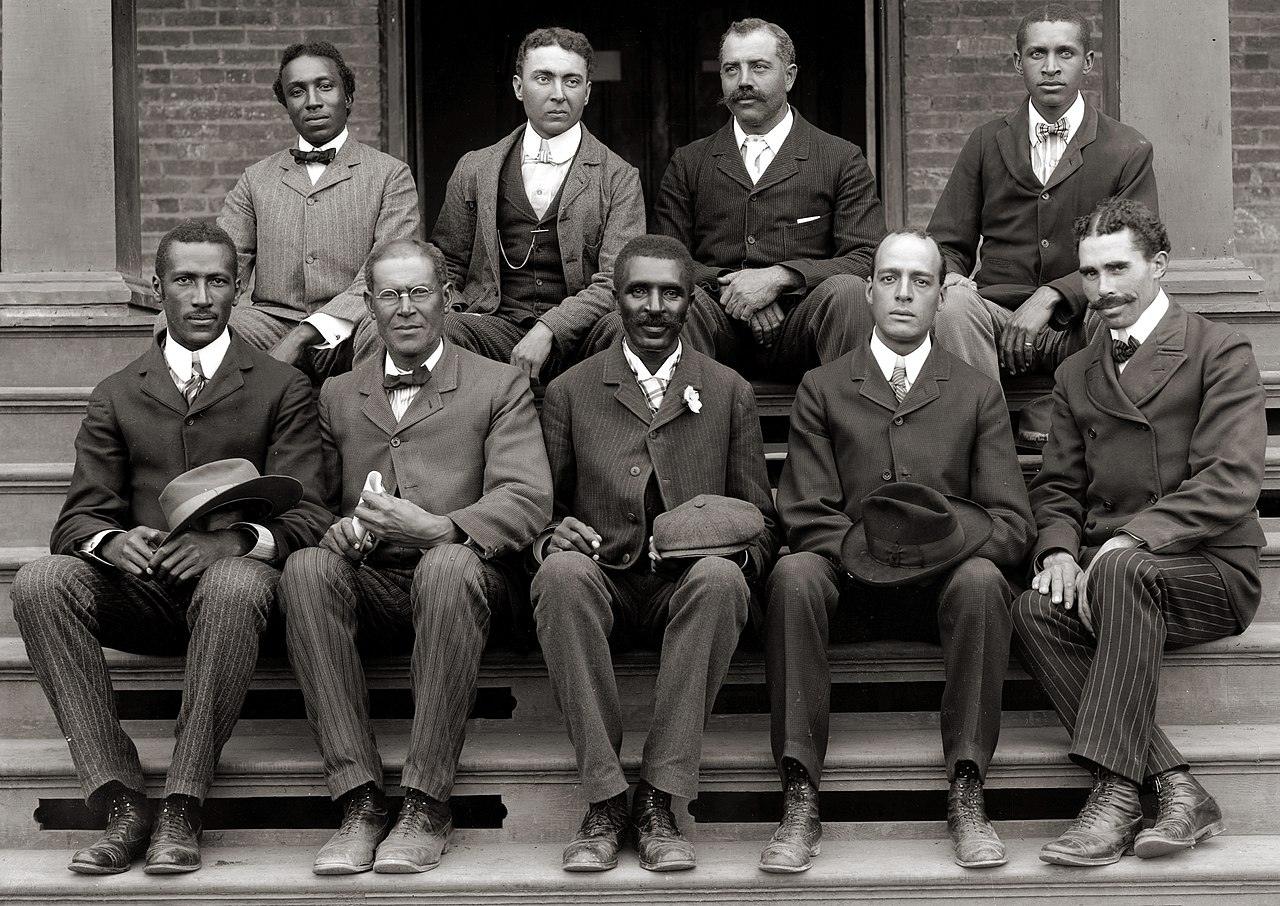




History and development
The school began as a normal and industrial institute founded by educator Booker T. Washington. Over decades it expanded its academic offerings, faculty and campus facilities and underwent formal name changes as it evolved into a full university. Important chapters in its history include the long tenure of agricultural scientist George Washington Carver, who established a national reputation for research and outreach, and the training of the African American military aviators known as the Tuskegee Airmen during World War II. The campus and related properties are linked to several nationally significant historic designations.
Academic profile and campus
Tuskegee offers undergraduate, graduate and professional programs across disciplines such as the liberal arts, sciences, engineering, education and agriculture. It is especially noted for its veterinary medicine program, a major element of the university's scientific training and outreach. Research, community extension services and career preparation are central to campus activities, and students engage in laboratories, cooperative programs and experiential learning.
Contributions and notable associations
- Booker T. Washington: founder and early leader who shaped the institute's mission.
- George Washington Carver: scientist and instructor whose work promoted sustainable farming and new uses for crops.
- Tuskegee Airmen: group of African American military pilots and support personnel trained near the campus whose wartime service challenged segregationist policies.
Throughout its history the university has been a center for Black higher education, agricultural innovation and civic leadership. It has also been associated with difficult national chapters, including ethical controversies in public‑health research carried out in the surrounding region; those events have informed modern conversations about medical ethics and community trust. Today Tuskegee continues to educate students, preserve historic resources and contribute to regional and national scholarship and professional training.
Related articles
Author
AlegsaOnline.com Tuskegee University Leandro Alegsa
URL: https://en.alegsaonline.com/art/102169